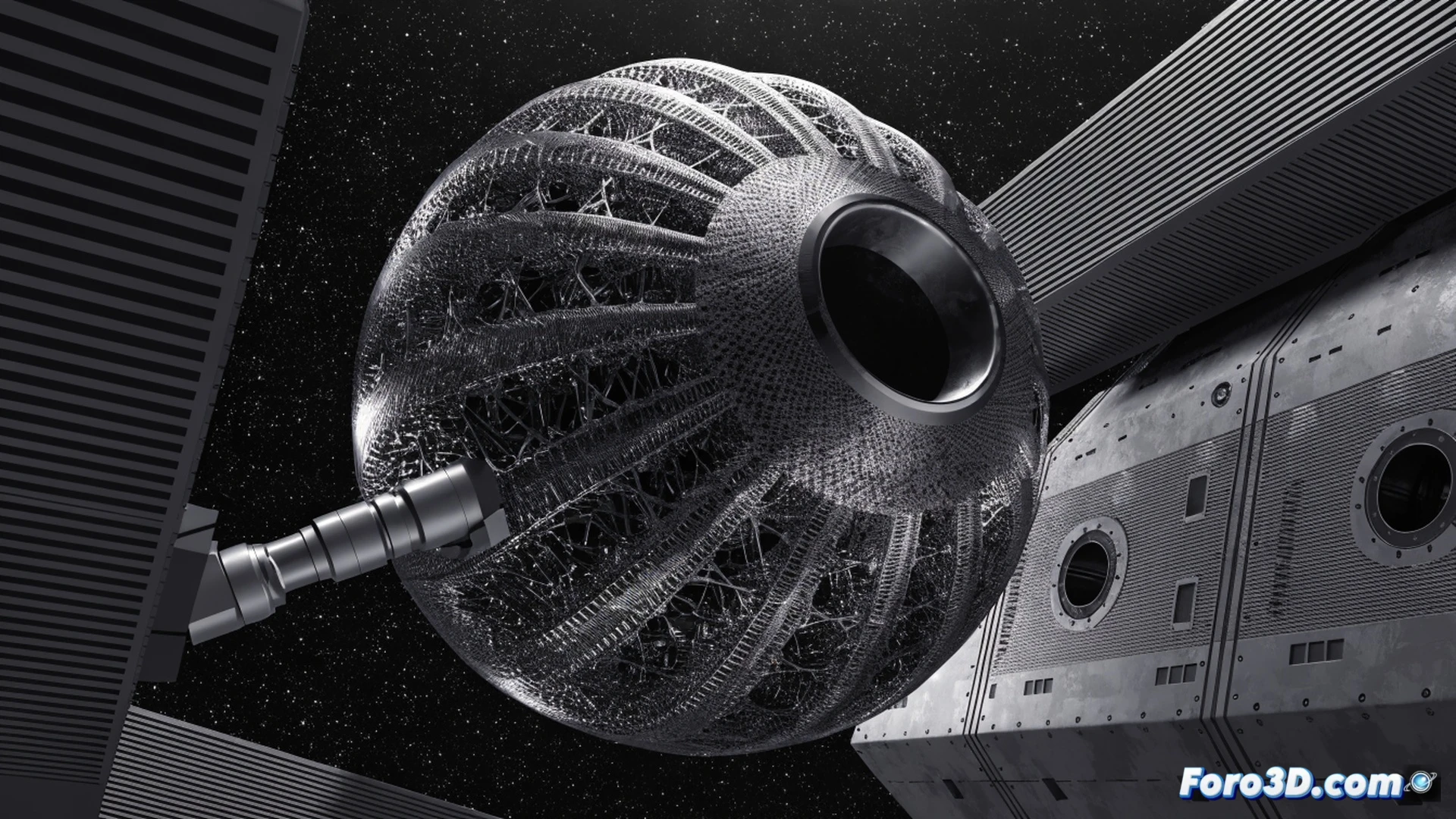
Northrop Grumman has manufactured a fuel tank for spacecraft using 3D printing in a single piece. The technique reduces costs by 30% and cuts production time in half. However, certifying that the single piece can withstand space conditions remains a major technical challenge.
The dilemma of certifying a single piece 🔍
Current inspections do not effectively detect potential internal flaws in components manufactured as a single piece. Without welded joints, traditional quality control methods lose effectiveness. Engineers are seeking new techniques, such as advanced computed tomography or non-destructive stress testing, to validate that the tank will not fail in orbit. Innovation reduces costs, but reliability must be proven with solid data.
A tank that comes standard (and is not standard) 🚀
Printing a fuel tank like printing a sheet of paper sounds futuristic, but then comes the hard part: making sure it doesn't turn into a source of space confetti. While engineers sweat to certify the part, accountants are already rubbing their hands together over the 30% savings. At least, if it fails, it will be a prettier and cheaper failure than previous ones.