At the Beijing fair, China showcased its commitment to artificial intelligence to make supply chains faster and more flexible. Companies like iFlytek presented robots that sort products and optimize warehouses, reducing manual labor. For citizens, this means cheaper products and fewer delays, although some factory jobs will change.
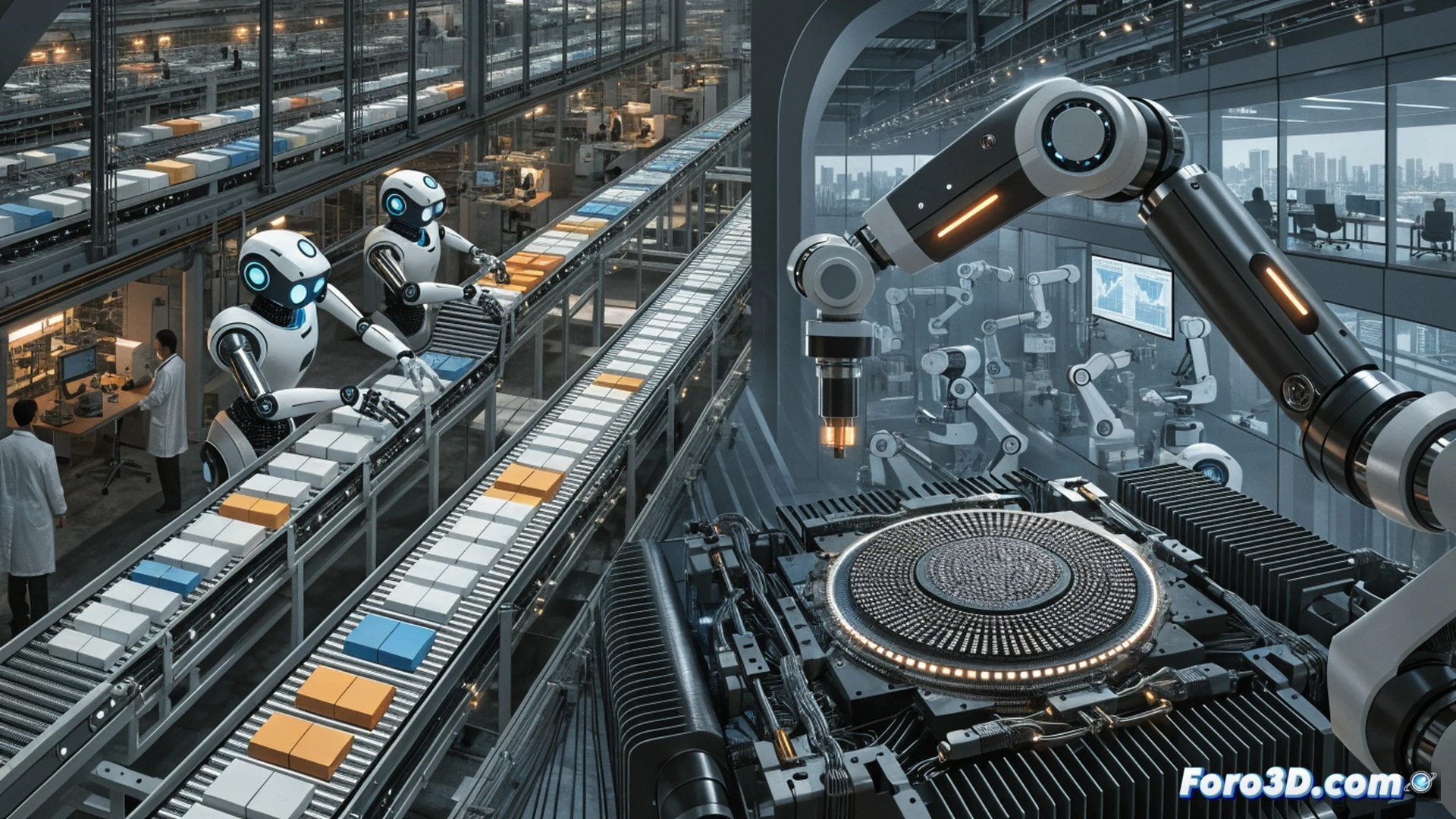
Smart robots that reorganize logistics 🤖
AI systems analyze real-time data to predict demand and adjust inventories. iFlytek's robots, equipped with computer vision, identify and sort goods with precision, speeding up distribution. This allows companies to respond quickly to market changes and reduce operational costs. The goal is to protect the Chinese economy from global crises through more resilient and automated logistics.
Goodbye intern, hello robotic arm 🦾
Robots don't ask for a raise, don't arrive late, and don't complain about the coffee from the machine. Meanwhile, humans can dedicate themselves to more creative tasks, like finding new excuses not to go to the office. In the end, AI promises that orders will arrive faster, even if the mailman still knocks when you're not home.