Ear biometrics promised to be the holy grail of security: unique, difficult to copy. A team of researchers proved otherwise. Using a rigid photosensitive resin mold, they managed to spoof the recognition of a smart lock. The attack combines high-resolution photography, 3D modeling, and a resin printer. The result: the lock opened as if nothing had happened.
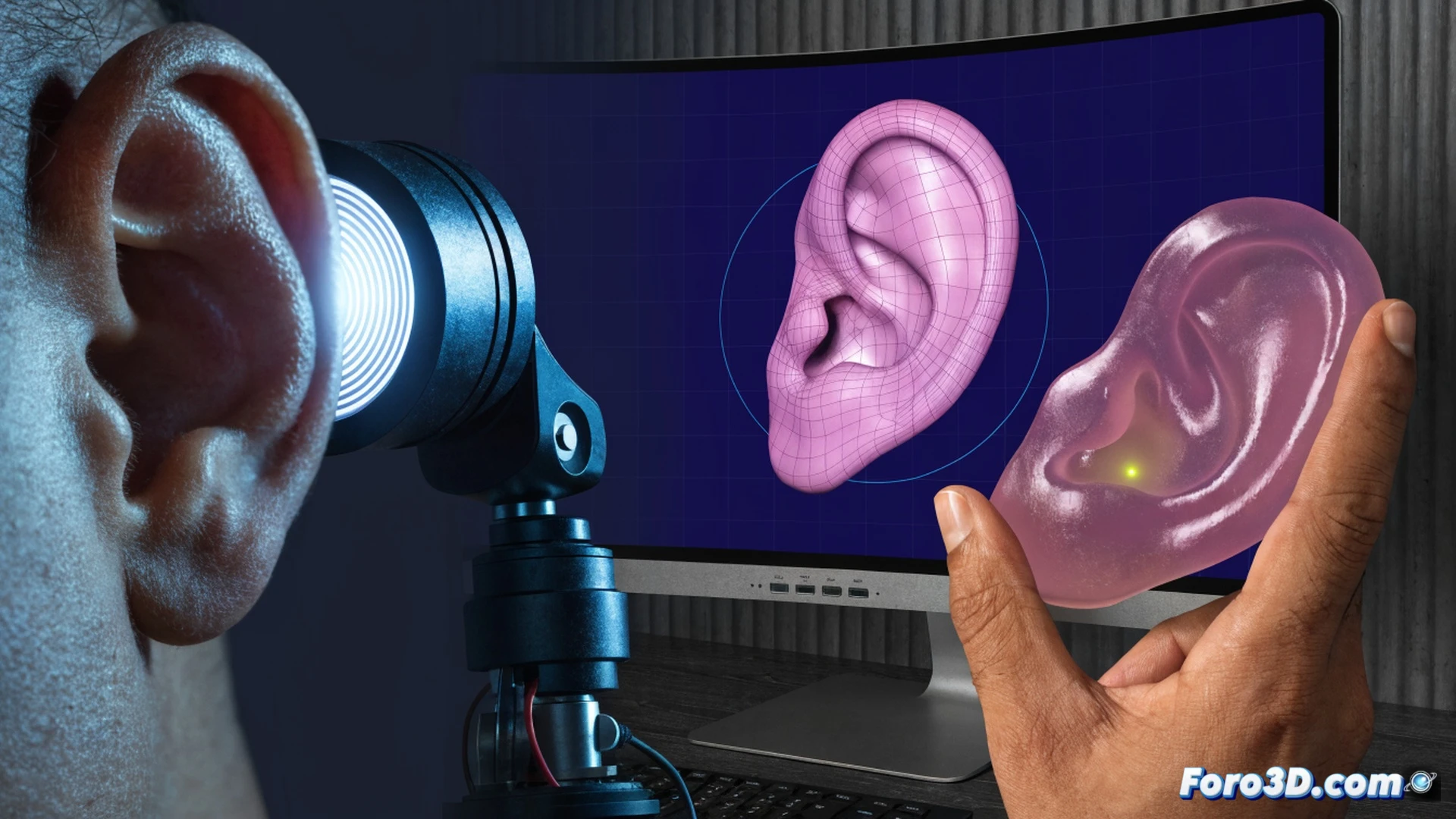
3D Pipeline: From Photo to Functional Mold 🖨️
The process begins with an image of the ear obtained discreetly. That photo is processed in MeshMixer to clean the mesh and create a solid surface. Then, Blender scales and adjusts the geometry to match the sensor. The final file is printed in rigid photosensitive resin, which reproduces the ridges and valleys of the auricle. The mold is applied to the biometric sensor, which interprets it as a real ear. No advanced skills are required: the software is free and the process is straightforward.
Your Ear Is No Longer Yours, It's an STL File 👂
It turns out that exposing your ear in a video call is as secure as putting your password on a post-it. Anyone with a decent camera and an afternoon to spare in Blender can gain access to your home. The saddest part is that you don't even need to be nearby: a photo from social media will do. Next time someone asks you for a profile selfie, think about whether they might want to open your door.