The Tax Agency has notified the judge investigating former President José Luis Rodríguez Zapatero of the opening of an inspection into his tax returns and those of his wife, daughters, and a business partner between 2021 and 2025. The case includes the discovery of jewelry valued at 1.3 million euros in his office. The tax authority has joined the case as an aggrieved party, reinforcing fiscal control over high-level public figures.
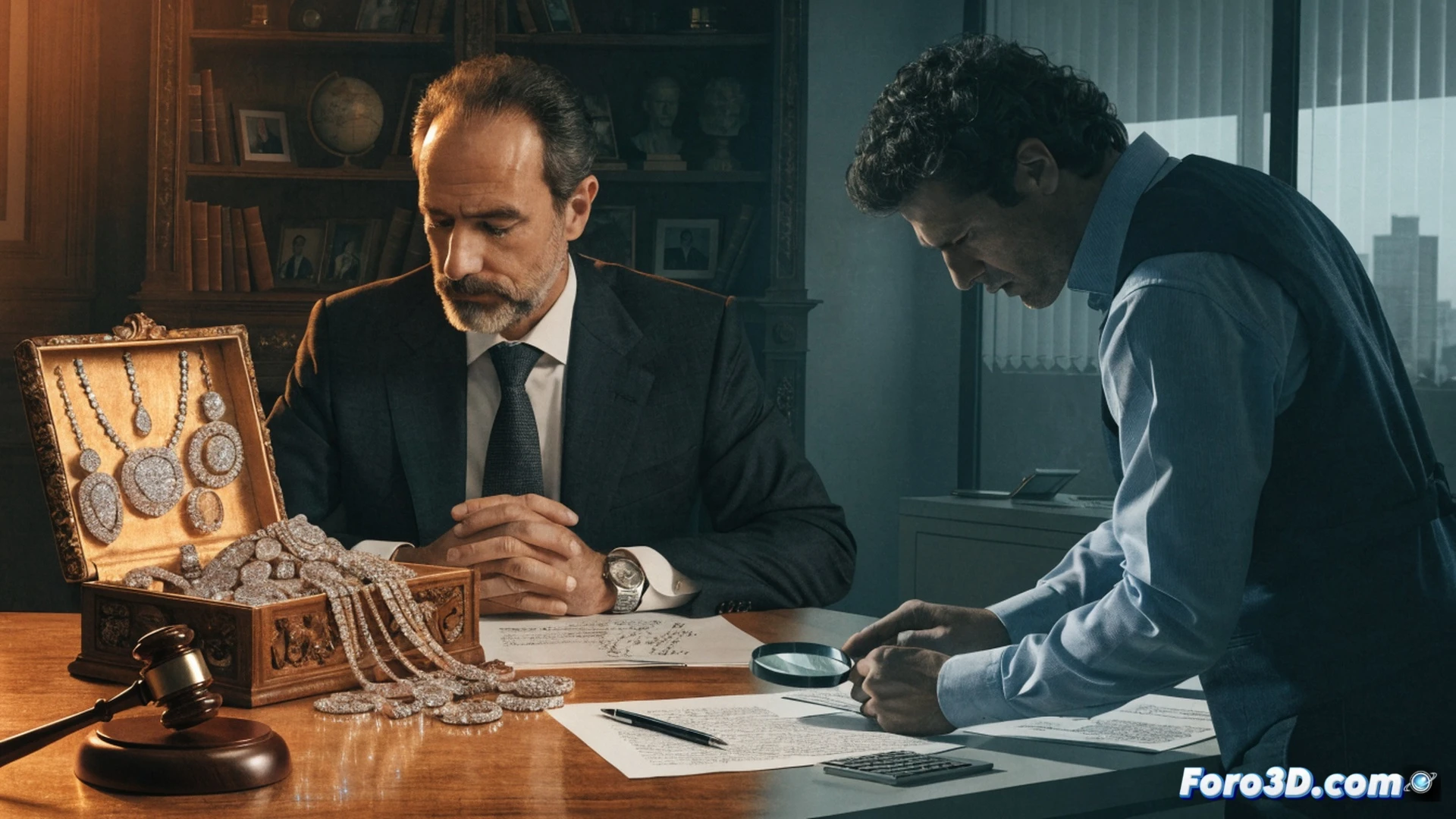
How artificial intelligence detects undeclared jewelry in assets 🤖
The Tax Agency's data analysis systems use machine learning algorithms to cross-reference asset declarations with consumption patterns and bank transfers. In this case, the discovered jewelry may have been detected through models that identify discrepancies between declared and actual assets. These tools, trained on historical data from fraud cases, allow the Tax Agency to prioritize inspections without requiring prior complaints, optimizing resources in complex investigations.
Zapatero and the jewelry: the new method to save at the bank 💎
It seems the former president has discovered that jewelry not only adorns but also avoids awkward questions at the bank. Of course, if the Tax Agency finds them in your office, the problem is not aesthetic. Perhaps the best thing is to swap them for a good fiscal mattress: the old-fashioned kind, the one that doesn't require an asset declaration. After all, precious stones don't pay taxes, but inspectors do get paid to look.