The security industry faces a new scandal: fraudulent certification of armor plates. The hidden inclusion of low-density resins in intermediate layers of aramid has been discovered, reducing actual protection. Forensic analysis with programs like VGSTUDIO MAX and Geomagic Control X allows revealing these structural anomalies that compromise users' lives.
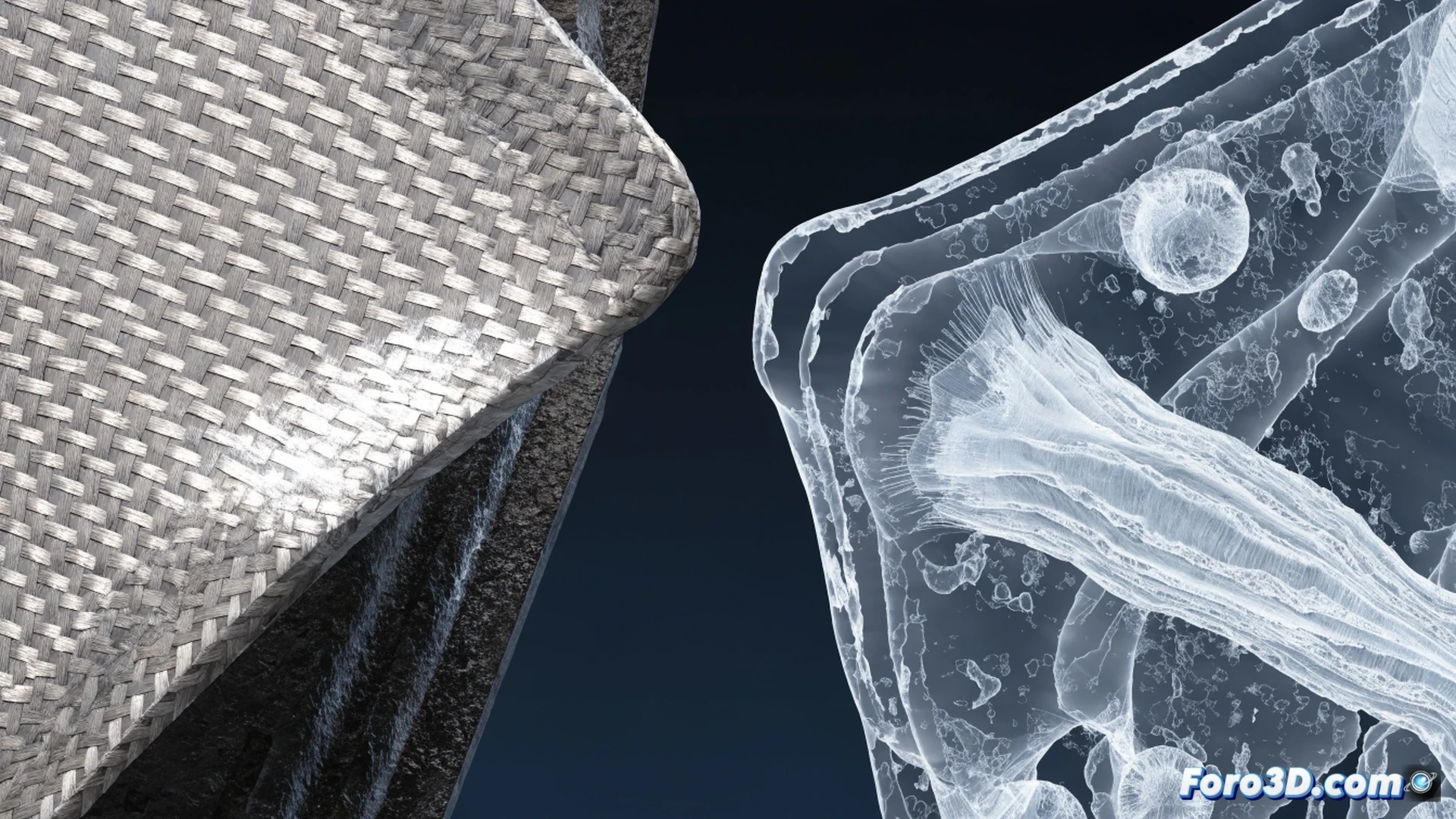
3D Pipeline: VGSTUDIO MAX and Geomagic Control X against fraud 🛡️
The detection process begins with an industrial computed tomography scan. VGSTUDIO MAX processes the data volume to segment the aramid and resin layers through density analysis. Then, Geomagic Control X compares the obtained 3D model with the certified CAD design, using deviation maps to identify low-density areas. The difference in X-ray absorption between resin and aramid is key to locating the fraud.
The miracle resin that can't even stop a fried egg 🍳
Apparently, some genius thought filling a bulletproof vest with low-density resin was a good idea, like putting foam in a safe. The result is a plate that weighs the same but protects less than a wet newspaper. Honest manufacturers must be rubbing their hands: now they can sell armor that, at least, stops a butter knife without laughing in the customer's face.