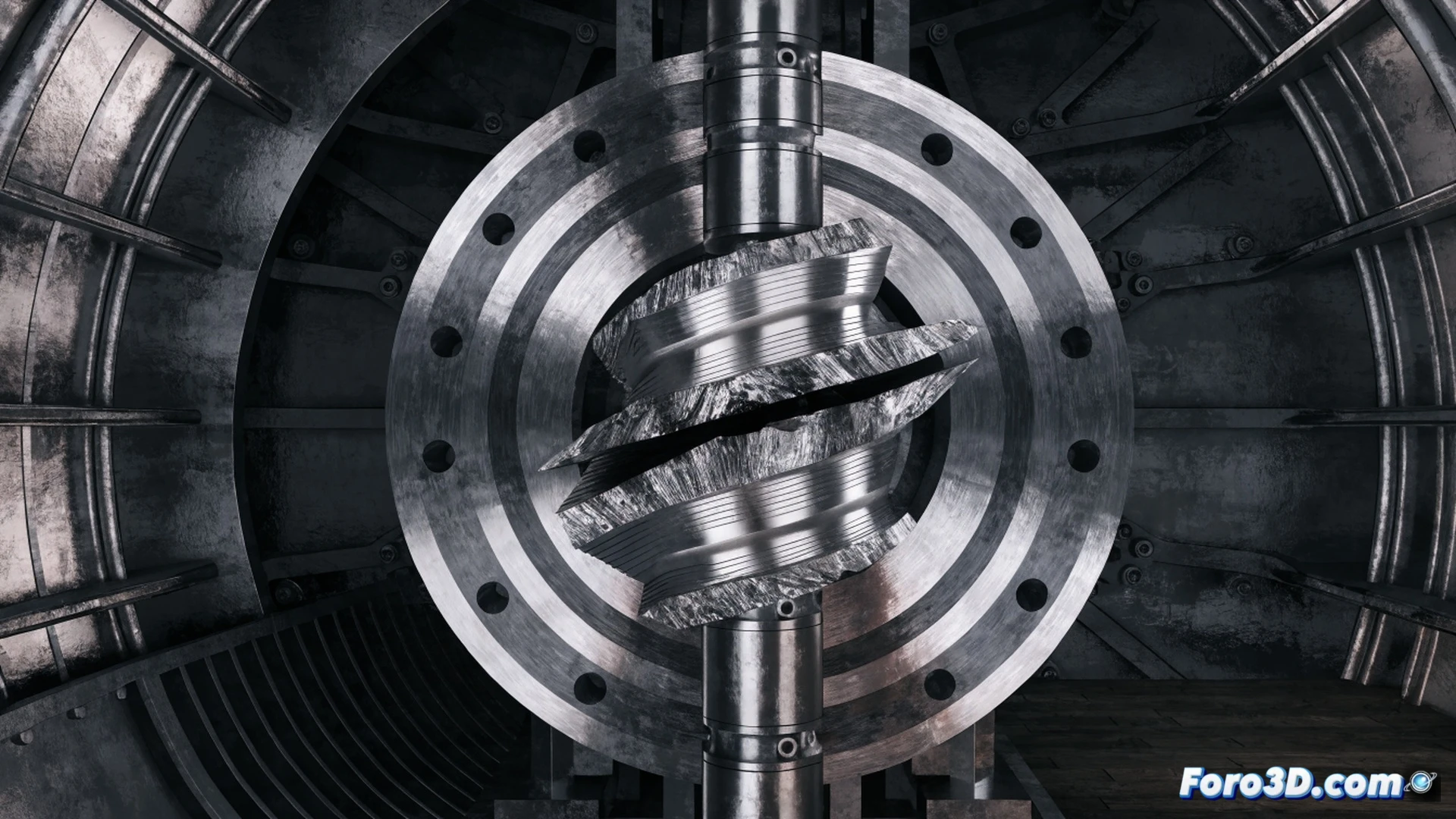
The catastrophic failure of a rotating lock-type boat lift has brought to light a classic mechanical engineering problem: asymmetric torsional fatigue. The central pinion shaft gave way after years of uneven load cycles, triggering a technical shutdown that forced a review of simulation models. The forensic analysis combined data from Leica Cyclone laser scanning with multibody simulations in Simpack to reconstruct the exact moment of the fracture.
3D Pipeline: from point cloud to dynamic model ⚙️
The process began with capturing the actual geometry of the mechanism using Leica Cyclone, obtaining a high-density point cloud. This information was imported into Simpack to generate a flexible element model that replicated the torsional load conditions. Engineers identified a stress concentration at the pinion fillet radius, aggravated by a slight angular misalignment of the shaft. The simulation revealed that the asymmetric fatigue originated from an imbalance of lateral forces during the rotation operation.
When the pinion said enough (and nobody had asked it) 🔧
The technical report notes that the metal simply got tired of spinning. Literally. After thousands of cycles enduring uneven torsions, the steel decided to take a permanent vacation. The curious thing is that the vibration sensors detected nothing abnormal until the metallic noise exceeded the volume of the morning coffee. Now it's time to redesign the pinion, although perhaps the most prudent thing would be to ask it first if it is willing to keep spinning.