A structural failure in the tail rotor deployment mechanism of a helicopter has been attributed to high-cycle fatigue fracture of the control rod. Forensic analysis revealed microscopic cracks that progressed to complete fracture, compromising the aircraft's maneuverability. This incident underscores the need to validate critical components under repetitive cyclic loads.
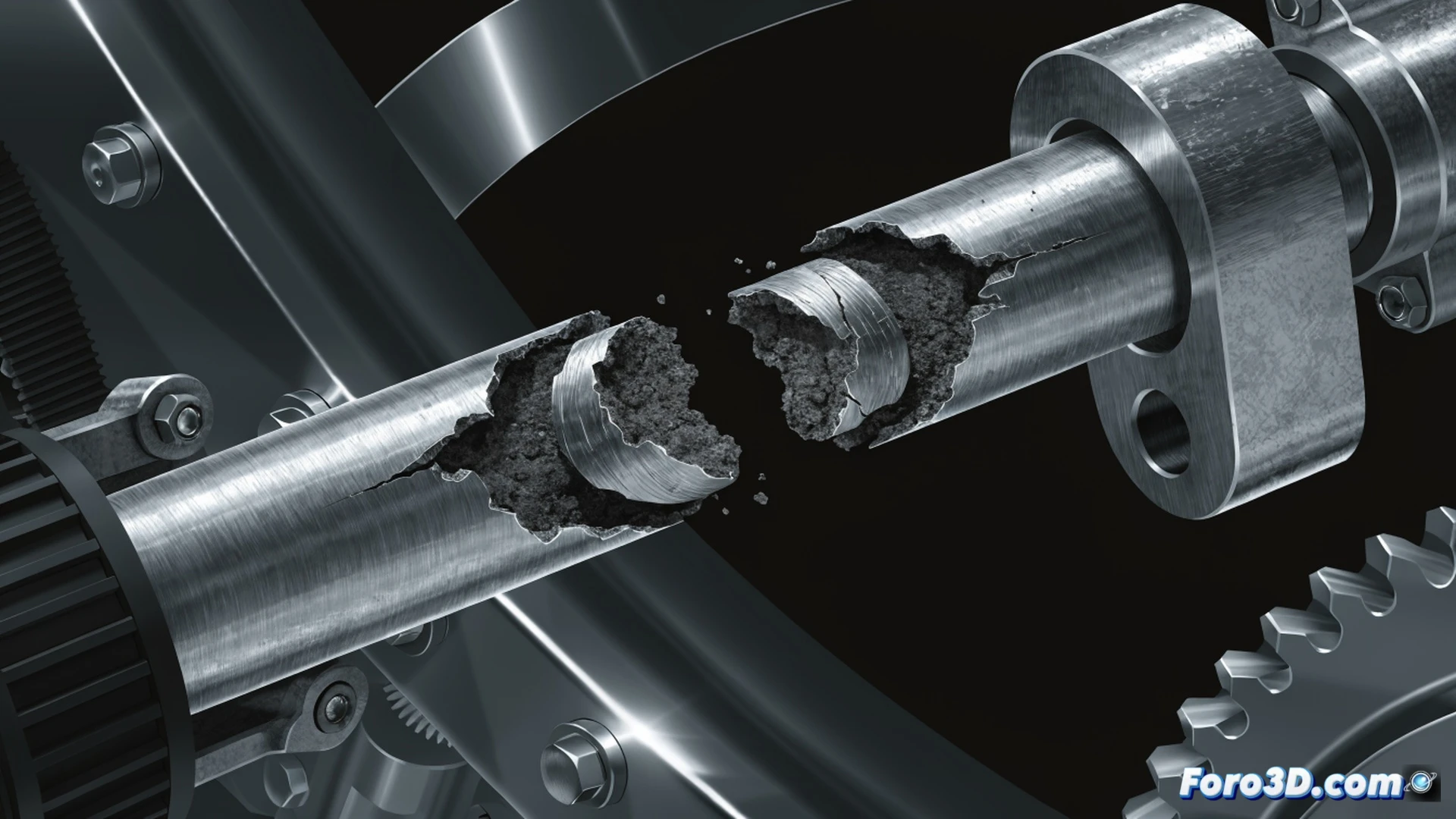
3D Pipeline with Creo Simulate and Maya for Failure Analysis 🛠️
The engineering team used Creo Simulate to model the control rod and perform a finite element analysis, identifying stress concentrations at the fillet radius. The results were exported to Maya to generate a detailed animation of crack propagation under load cycles. This workflow allowed visualization of the fatigue initiation point and validation of the failure hypothesis without resorting to additional destructive testing.
The control rod gave up before the pilot asked for coffee ☕
The control rod, tired of spinning endlessly, decided to take a permanent vacation just as the helicopter was flying over rough terrain. After reviewing the data, engineers concluded that the metal got tired before the maintenance staff. Good thing the tail rotor deployed in time to prevent the helicopter from making a falling rock-style landing.