The alliance between Ford and China's CATL is now a reality in Michigan. The plant produces batteries using Chinese technology, a project that faced criticism from Republican politicians over foreign dependence. Despite the controversy, it managed to retain tax subsidies, and Ford reduced its investment to $2 billion. Now, these batteries will not only power electric cars but also energy storage systems, offering citizens cheaper options and greater energy backup.
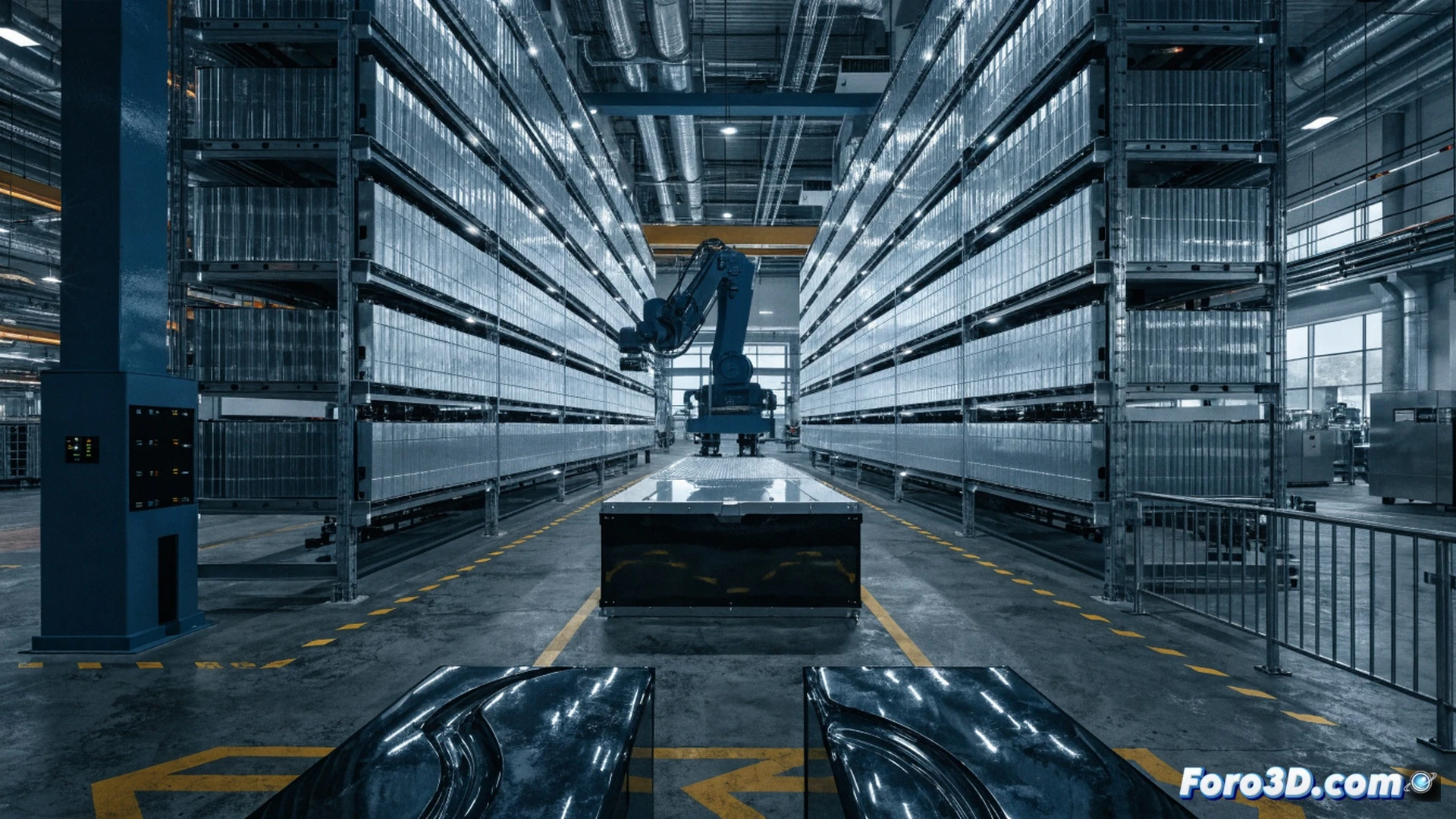
LFP technology with Chinese stamp for cars and power grids 🔋
The plant's batteries use LFP (lithium iron phosphate) chemistry, known for its lower cost and longer lifespan compared to nickel-cobalt batteries. CATL brings expertise in mass production, while Ford adapts manufacturing to its standards. The initial plan was only for electric vehicles, but the company expanded usage to stationary storage systems. This allows homes and businesses to store solar or wind energy, reducing grid dependence during peak hours. Chinese technology, though controversial, proves functional and accessible.
Politicians angry, but cheaper batteries for everyone ⚡
While some Republican politicians wring their hands over depending on China, Ford and CATL move forward. The irony is that those who criticize the alliance will likely have to buy these batteries for their own cars or homes because they are cheaper. In the end, Chinese technology arrives in Michigan, tax subsidies remain, and consumers get affordable batteries. Politics may stir up a scandal, but the market and energy needs wait for no one.