An accident in a human gyroscope ride has brought to light an uncommon mechanical failure: the fracture of the intermediate ring shaft due to combined multiaxial fatigue. The incident, which resulted in no serious injuries, was investigated using a 3D pipeline that combined photogrammetry with Agisoft Metashape and finite element simulations in LS-DYNA. The analysis revealed how cyclic loads in multiple directions exceeded the steel's strength.
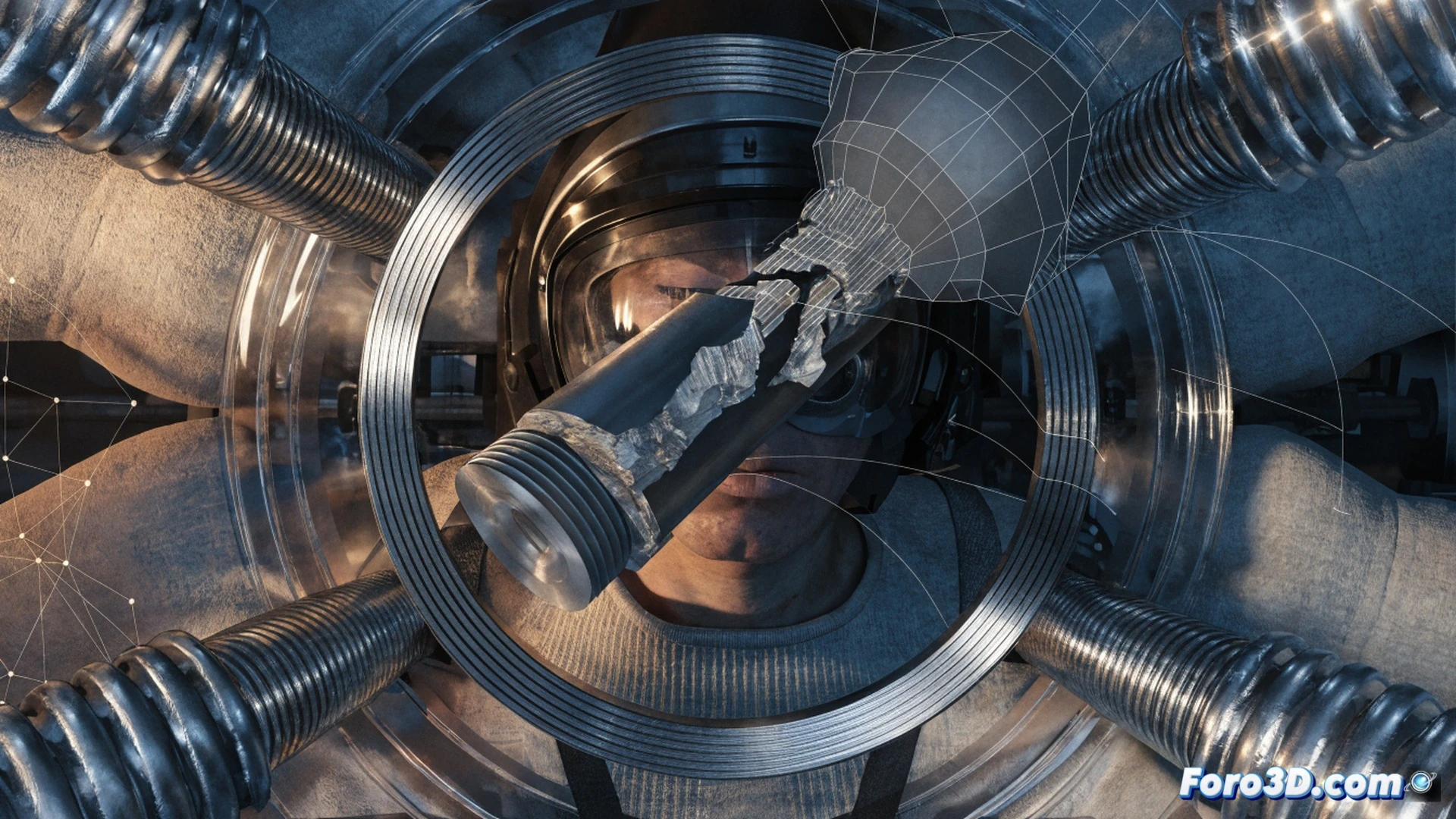
3D Reconstruction and Simulation of Structural Failure 🔧
The forensic team generated a digital model of the ride using Agisoft Metashape from 400 photographs of the post-accident gyroscope. This model was imported into LS-DYNA to simulate multiaxial fatigue under real operating conditions. The results showed that the shaft failed due to a combination of cyclic bending and torsion, with stress concentrations at the fillet radius. The simulation identified that the material had pre-existing microcracks undetected in routine visual inspections.
The Shaft That Said Enough, and Didn't Warn ⚙️
Apparently, the intermediate ring shaft decided to take a permanent vacation just as the gyroscope was spinning at full speed. Combined multiaxial fatigue, that silent enemy not found on maintenance checklists, proved that even the noblest steel can have a bad day. Sure, at least now we know that Agisoft and LS-DYNA can predict these mechanical dramas, even if they don't prevent the iron from getting tired of working non-stop.