The counterfeiting of Ming Dynasty swords has reached a technical level that combines chemistry and digital technology. The structural patina is now recreated through electrodeposition and controlled acid etching, using software such as VGSTUDIO MAX and MeshLab to analyze and replicate every detail. The result is pieces that deceive even experienced collectors.
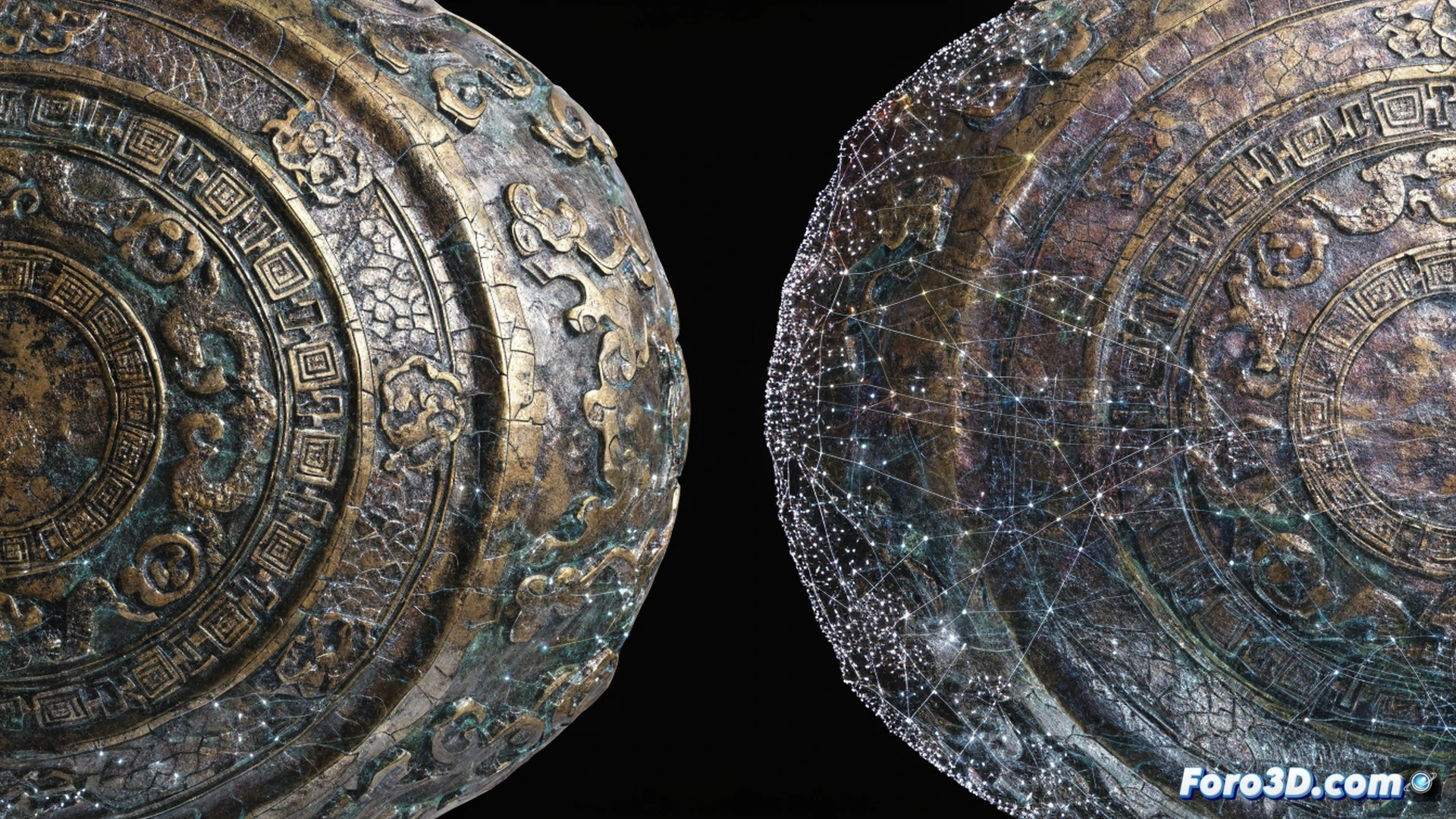
Digital pipeline: from VGSTUDIO MAX to MeshLab for forensic analysis 🛡️
The process begins with VGSTUDIO MAX to perform high-resolution tomographies of authentic swords. This allows mapping porosity, micro-cracks, and metal distribution. Then, MeshLab is used to clean the 3D mesh and generate a reference model. With that data, copper and tin electrodeposition is applied, followed by acid etching that simulates decades of natural oxidation. Each layer is controlled to avoid visible errors.
The finishing touch: express patina with less drama than a historical series ⚔️
And here comes the best part: instead of waiting 400 years for rust to do its magic, counterfeiters achieve it in a weekend. With acid and electric current, they make a sword look like it has survived battles, looting, and even a monsoon. Of course, if the buyer examines it with a magnifying glass and a bit of MeshLab, the trick is discovered in seconds. But in the meantime, the seller is already on vacation.