The rupture disc failure in a vinyl chloride polymerization reactor triggered a controlled but devastating explosion. The origin was an obstruction caused by solidified resin that blocked the relief valve. We analyzed the incident using 3D scanning tools and multiphysics simulation to understand the failure dynamics.
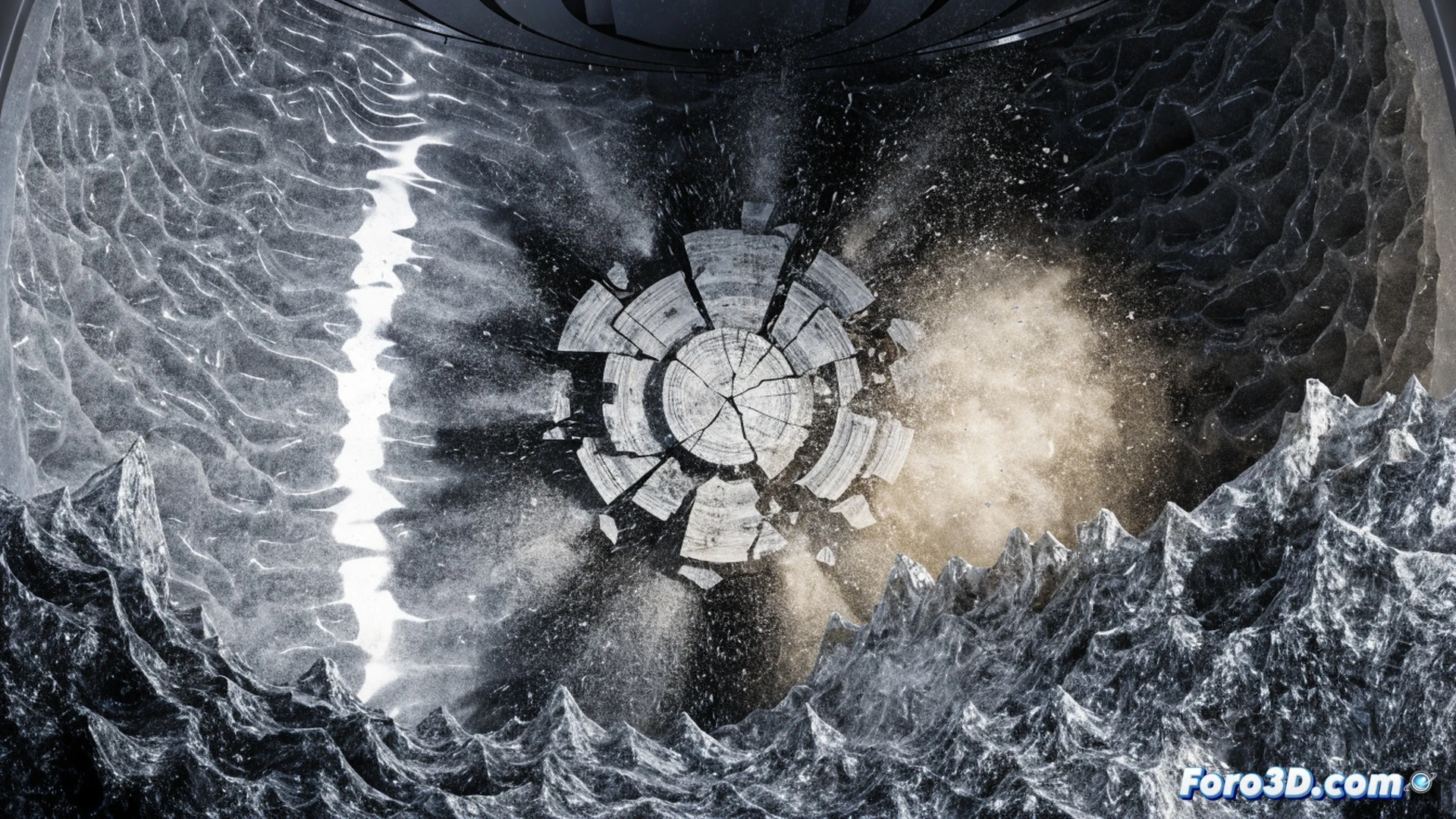
3D Reconstruction with FARO Scene and Simulation in COMSOL Multiphysics 🔧
The team used FARO Scene to digitize the reactor geometry and damaged piping, capturing deformations and internal deposits with millimeter precision. With COMSOL Multiphysics, the two-phase flow and pressure buildup after the obstruction were modeled. The results showed that the solidified resin acted as a plug, raising local pressure until it exceeded the rupture disc limit, which failed without fully relieving the overpressure.
The PVC Plug That Wanted to Be a Hero and Ended Up a Villain 💥
The solidified resin, that material so costly to produce, decided to work overtime and became a perfect plug. So perfect that it caused an explosion. The rupture disc, designed to save the day, encountered a textbook blockage. In the end, the lesson is clear: if PVC insists on not flowing, it's better to check the pipes before the reactor decides to go pop.