Air quality in Europe is moving in the right direction. Since 2015, levels of sulfur and nitrogen oxides have been reduced by up to 5% annually, driven by the adoption of electric vehicles and the rise of renewable energies, which already generate more than half of the electricity in the EU. This decrease in pollution translates into a lower risk of respiratory diseases and asthma for the population.
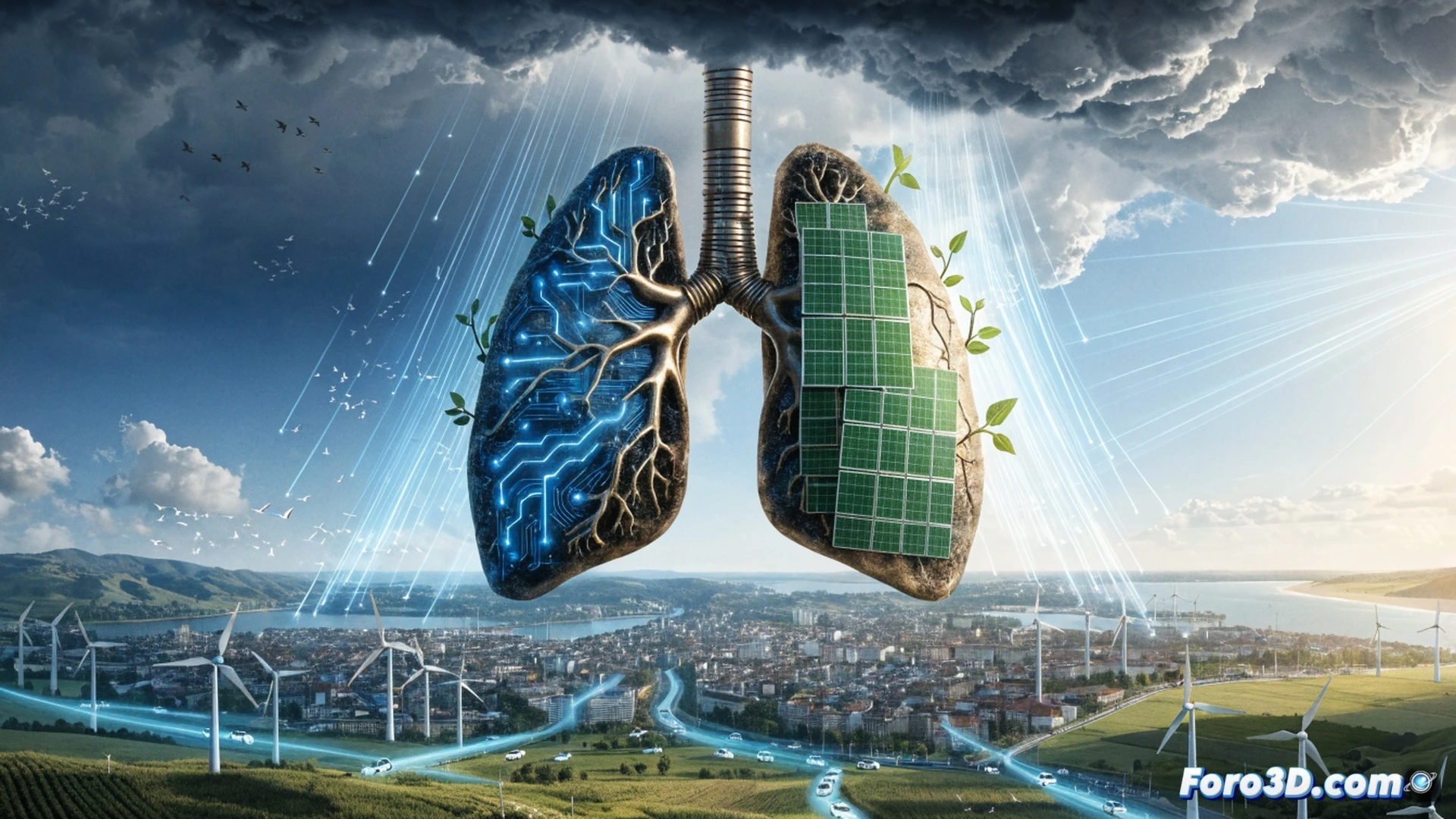
The engine of change: electrification and renewables on the rise ⚡
The energy transition is not a promise for the future, but a technical reality. The penetration of sources such as wind and solar has exceeded 50% of the community's electricity mix, according to data from the European Environment Agency. At the same time, the electric vehicle fleet is growing at a steady pace, reducing direct nitrogen oxide emissions in urban areas. This dual front—clean generation and combustion-free mobility—explains the sustained downward trend in pollutants.
Grateful lungs: less smoke and more breath 🌿
For those who still doubted, it turns out that breathing less soot and sulfur dioxide has its perks. It is no longer necessary to move to an Alpine peak to avoid asthma; it is enough for coal plants to stop operating and for cars to stop spewing black fumes. Of course, nostalgics for the smell of diesel will have to settle for the aroma of coffee on terraces. In the end, clean air is a luxury that even the most critical lungs appreciate.