A transesophageal ultrasound probe arrived at the lab with a perforated flexible casing. The failure was not mechanical. The piezoelectric crystals, as they thermally degraded, generated hot spots that melted the polymer from within. A curious case of electronic self-harm that required a 3D forensic investigation.
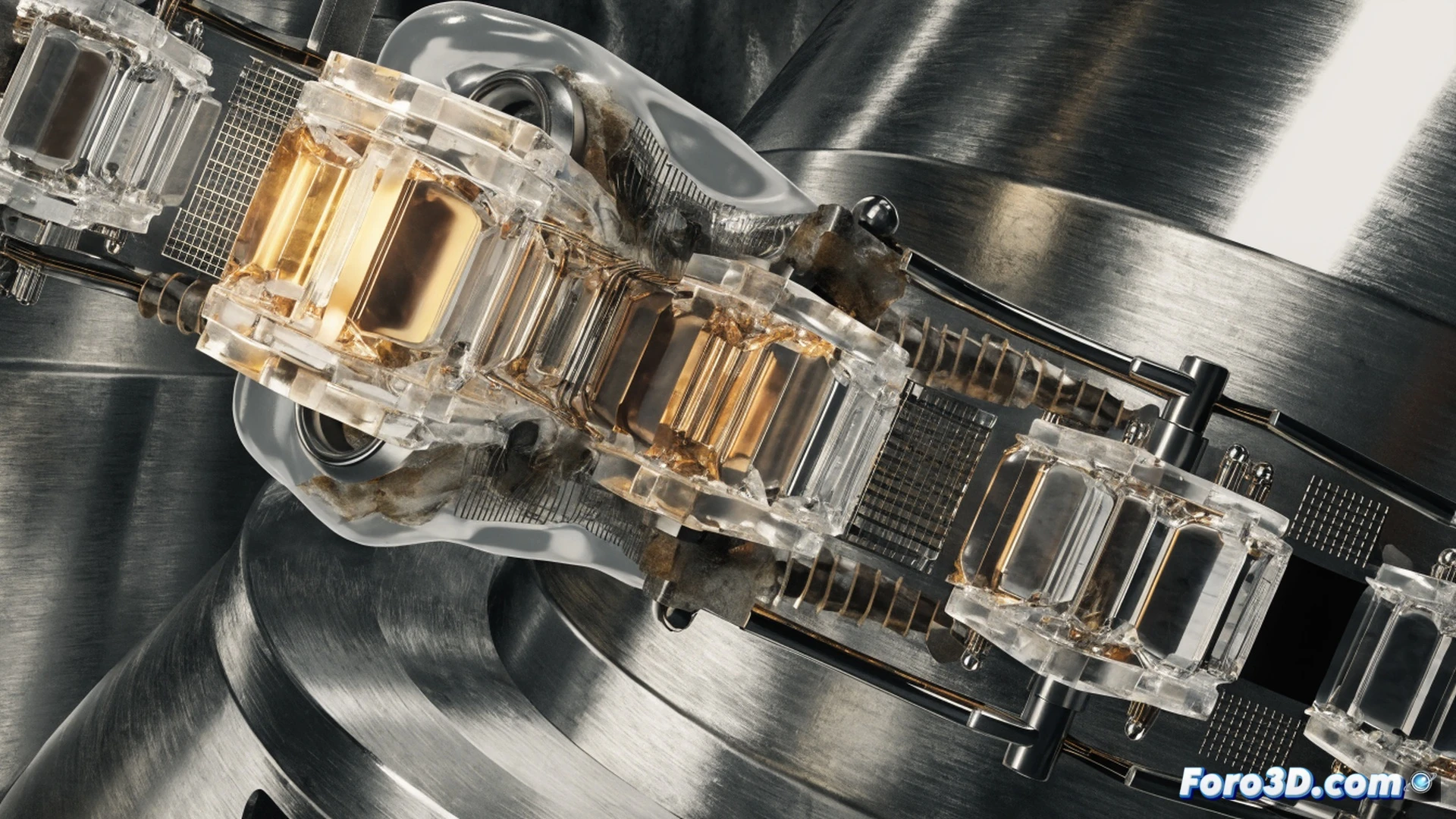
Digital reconstruction of internal damage with VGSTUDIO MAX and Ansys 🔬
The first step was to scan the probe with computed tomography. With VGSTUDIO MAX, the casing was segmented and the perforation zones were identified. The geometry was then exported to Ansys to simulate heat transfer. The results showed that the crystals reached 180°C locally, exceeding the degradation temperature of the polyurethane. The casing did not fail due to fatigue, but from internal cooking.
When the ultrasound machine decides to make popcorn with its own cover 🍿
The engineers spent weeks looking for a manufacturing defect. In the end, the culprit was the crystal itself: a small thermal hotspot that turned the probe into a micro-oven. The moral is simple: if your medical equipment starts to smell like toast, it's not fine-tuning its culinary technique. It urgently needs a cooling system check.