The passenger boarding ramp locking mechanism has experienced a critical failure after a recent landing. Plastic deformation was observed in the retention hook, caused by an unforeseen dynamic overload. This incident compromises operational safety and requires a detailed analysis of the involved loads. The structural integrity of the system is called into question, necessitating a thorough review of the original design.
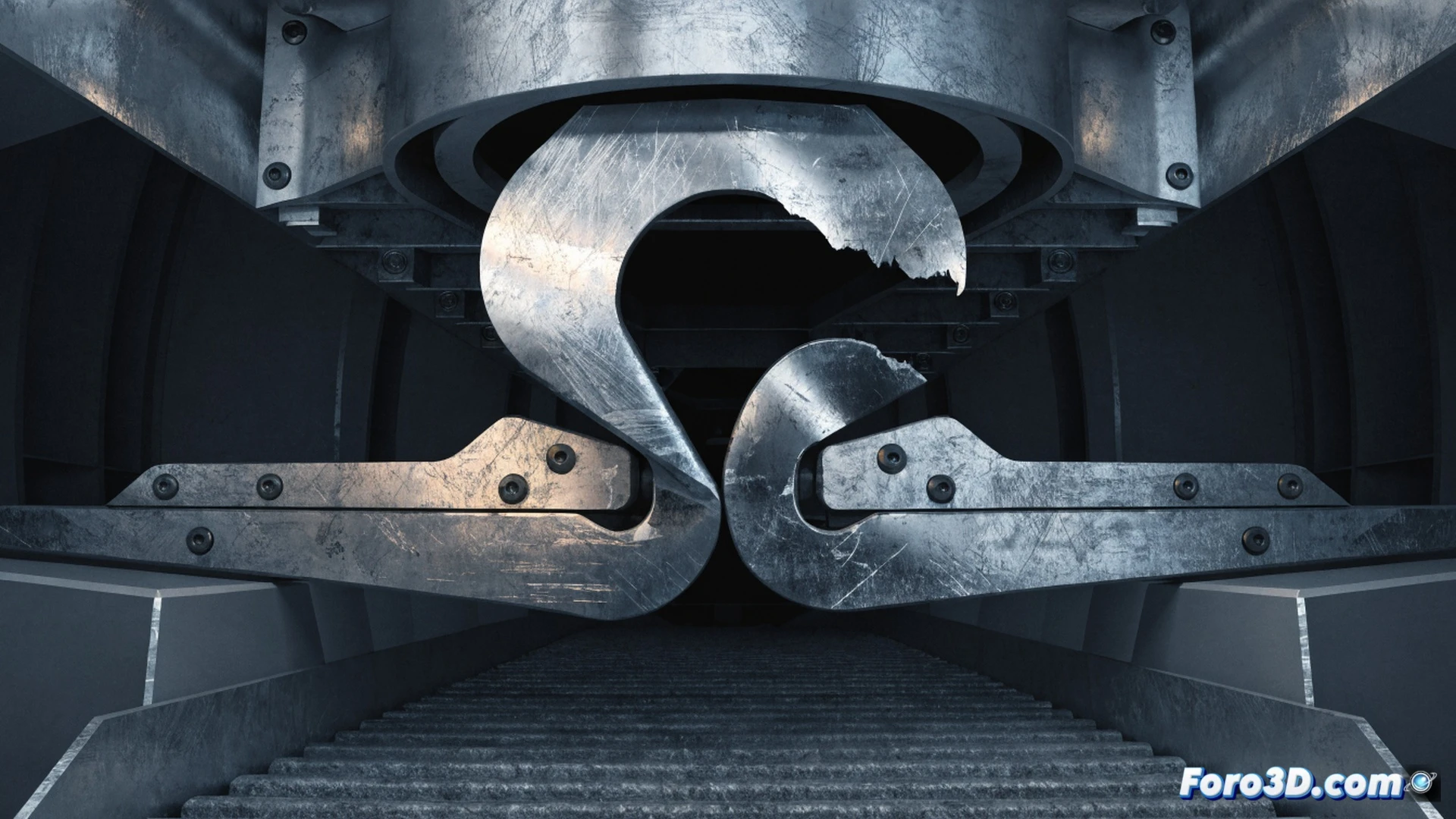
Failure simulation with Creo Simulate and Maya 🛠️
To understand the phenomenon, a 3D pipeline combining Creo Simulate and Maya was employed. In Creo Simulate, the retention hook was modeled under extreme dynamic load conditions, recording plastic deformation in the critical area. Maya allowed for visualization of the impact animation and the mechanism's response, facilitating the identification of stress concentration points. The results show that the landing energy exceeded the material's elastic limit, generating an irreversible failure. A review of the hook geometry and the material used is recommended.
The hook that said that's as far as I go 😅
The retention hook, after years of impeccable service, decided to take a forced vacation during the last landing. Instead of holding the ramp, it opted to stretch out like hot plasticine. Now, engineers debate whether it was an act of mechanical rebellion or simply a fatigue calculation that went awry. The truth is that the ramp now lowers with the elegance of an out-of-tune accordion.