In a world where arsenals grow incessantly, Singapore's Minister of Defence, Chan Chun Sing, put forward an idea that sounds almost revolutionary: having tanks and planes is not enough if no one trusts your intentions. During the Shangri-La Dialogue, he explained that defense diplomacy is key to preventing countries from viewing each other with suspicion. For the average citizen, this means regional peace is not bought solely with missiles, but with gestures of goodwill and constant communication.
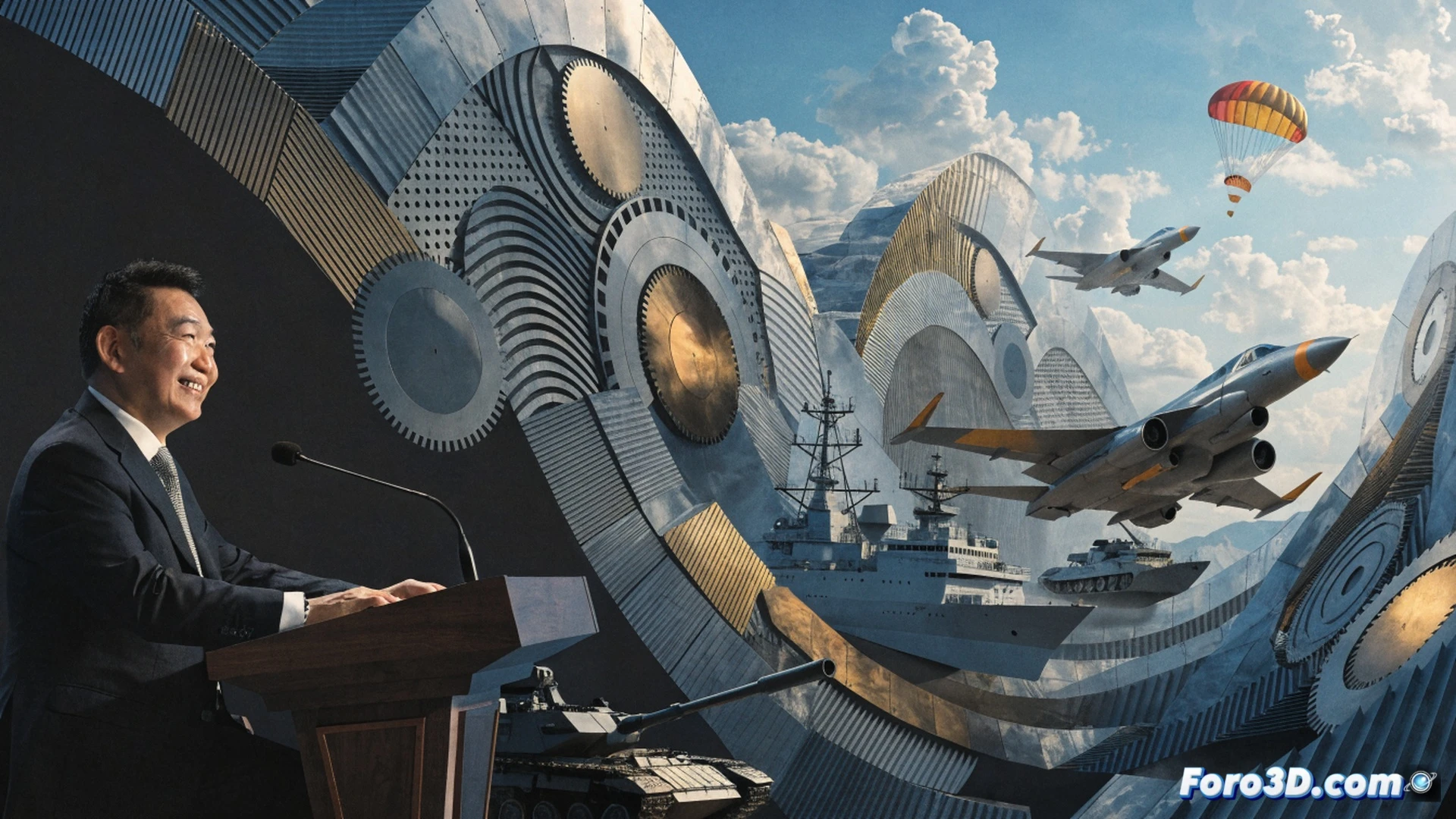
The software of peace: how technology facilitates military trust 🤝
Chan Chun Sing's idea finds resonance in platforms like the Shangri-La Dialogue, where encrypted communication systems and real-time data analysis allow military commanders to share information without leaks. These technological tools, such as secure video conferencing channels and crisis scenario simulators, help make intentions more transparent. Instead of relying on spy satellites, the exchange of operational protocols is encouraged. Thus, technology serves not only to aim, but to build bridges.
Less Rambo, more public relations: the new military recipe ☕
It seems military strategists have discovered that, besides missiles, good manners are needed. Chan Chun Sing suggests that, instead of looking down on others, countries should invite each other for coffee and explain their moves. Because, let's be honest, if your neighbor builds a bunker in the garden and doesn't tell you why, you end up thinking it's to hide an arsenal, not to store old junk. In the end, national security looks more like group therapy than an action movie.