The failure of the steam purge system caused the internal vacuum collapse of a biofuel distillation tower. The incident, documented with 3D photogrammetry and finite element simulation, reveals how a progressive dent led to total collapse. We analyze the causes and the tools used for the expert investigation.
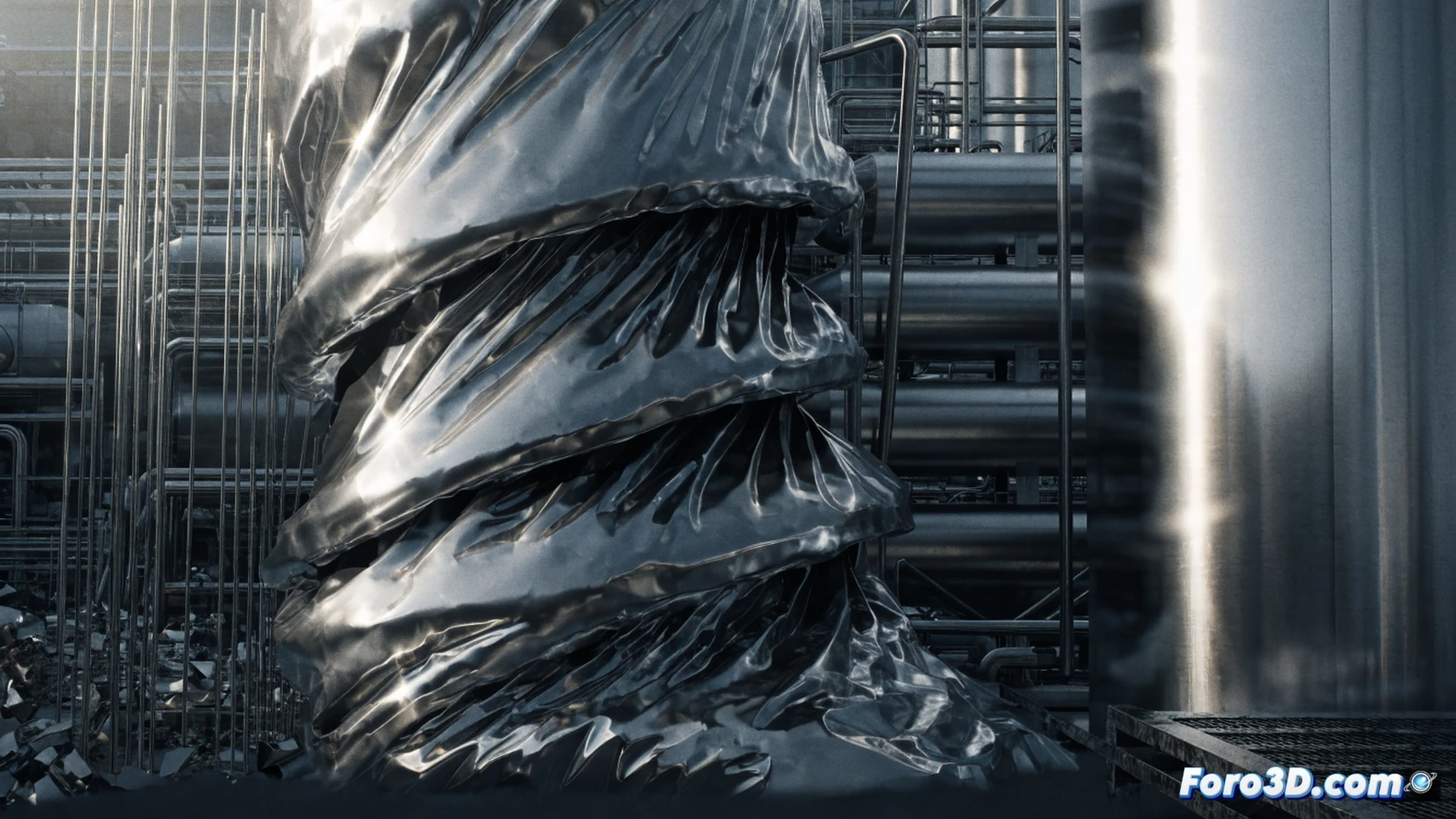
Pipeline 3D: from Pix4Dmapper to Abaqus for forensic analysis 🛠️
The process began with data capture using drones and processing in Pix4Dmapper, generating a point cloud and a 3D mesh of the collapsed tower. This geometry was imported into Abaqus to simulate structural behavior under negative pressure. Boundary conditions were applied based on pressure readings prior to the failure, validating the model with the deformations observed in the field. The correlation between the simulated and actual dent confirmed the internal vacuum hypothesis.
The vacuum left by the tower and the purge that never came 💨
The tower, designed to withstand pressure, did not count on the vacuum taking a day off from maintenance. The purge system, which was supposed to vent steam, decided to take an unscheduled vacation. The result: a dent so aesthetic it looked like modern art, until gravity said enough is enough. Good thing Pix4Dmapper and Abaqus came to explain what everyone already knew: the purge is not a decoration.