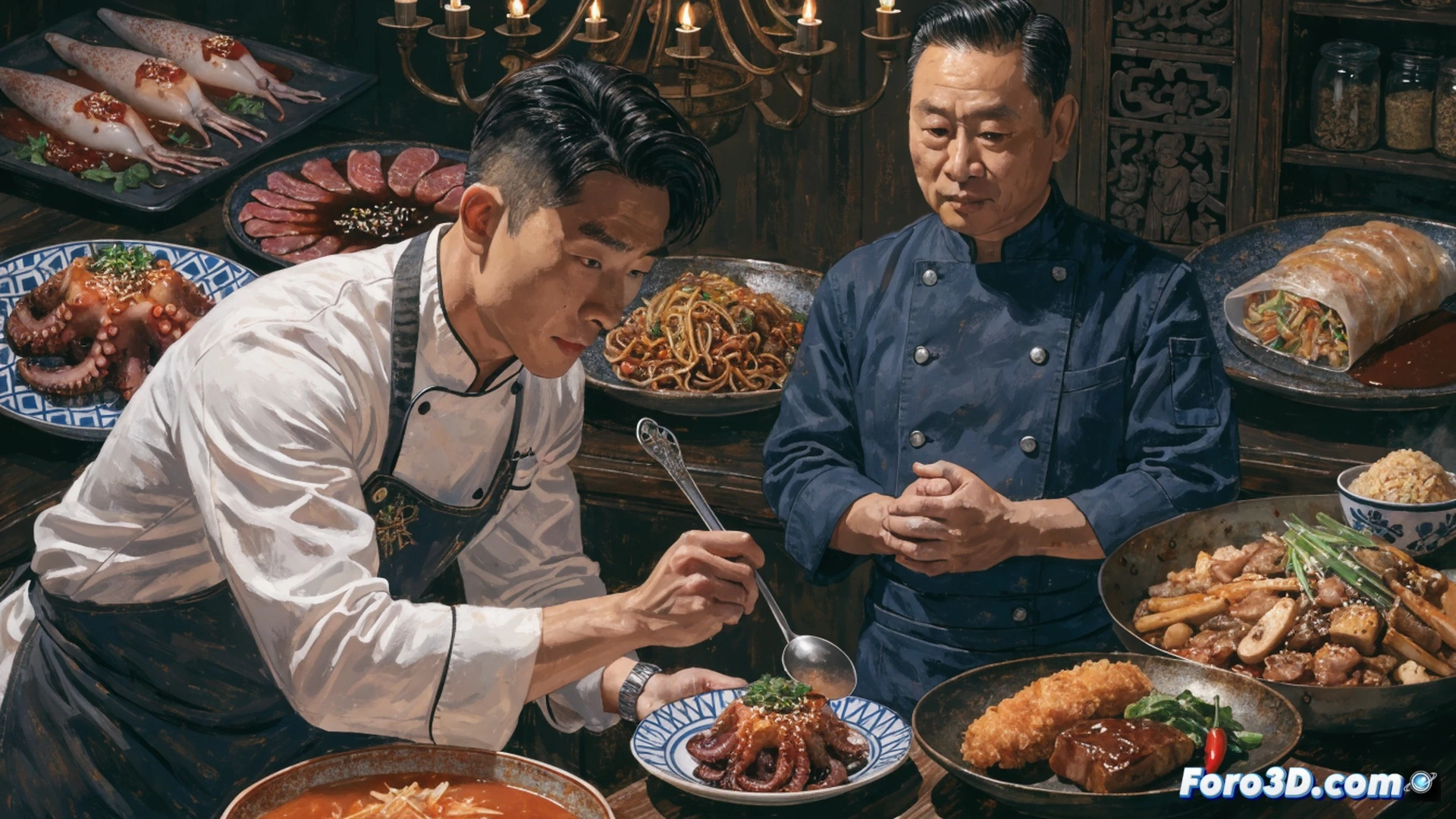
South Korean chef Choi Hyun-seok, a recognized figure from his time on the show Culinary Class Wars, is in Singapore for a two-day collaboration with the Cantonese restaurant The Black Pearl. Together with executive chef Dee Chan, they present an eight-course menu that integrates ingredients and techniques from Korea and Canton. This initiative brings haute cuisine to a wider audience, directly fusing culinary traditions.
The kitchen as a platform for gastronomic innovation 🍜
The collaboration between Choi and Dee Chan is not a simple exchange of recipes. It involves a process of technical development where Korean fermentation methods intersect with Cantonese steaming and wok techniques. The limited-edition menu requires synchronization of cooking times and temperatures so that flavors like gochujang and jang do not overpower the dim sum. This necessitates adjustments in kitchen logistics to ensure consistency in every dish served over the two days.
Fusion that is not fusion: the menu that survives culinary criticism 🥟
Of course, nothing unites two cultures more than a $200 dish. Choi and Dee Chan's proposal promises that kimchi and siu mai will get along, something that in haute cuisine doesn't always happen without a critic lamenting lost authenticity. But while diners debate whether gochujang stains the wonton, the chefs are already counting the reservations. In the end, what matters is that the tourist feels international without leaving Chinatown.