A study with newborns up to three days old reveals that their brains already separate quantities, such as four from twelve stimuli, activating a key area for processing numbers. This innate ability helps survival by differentiating dangers or food. For the public, it means babies arrive with mathematical foundations, and early detection of problems could prevent difficulties like dyscalculia.
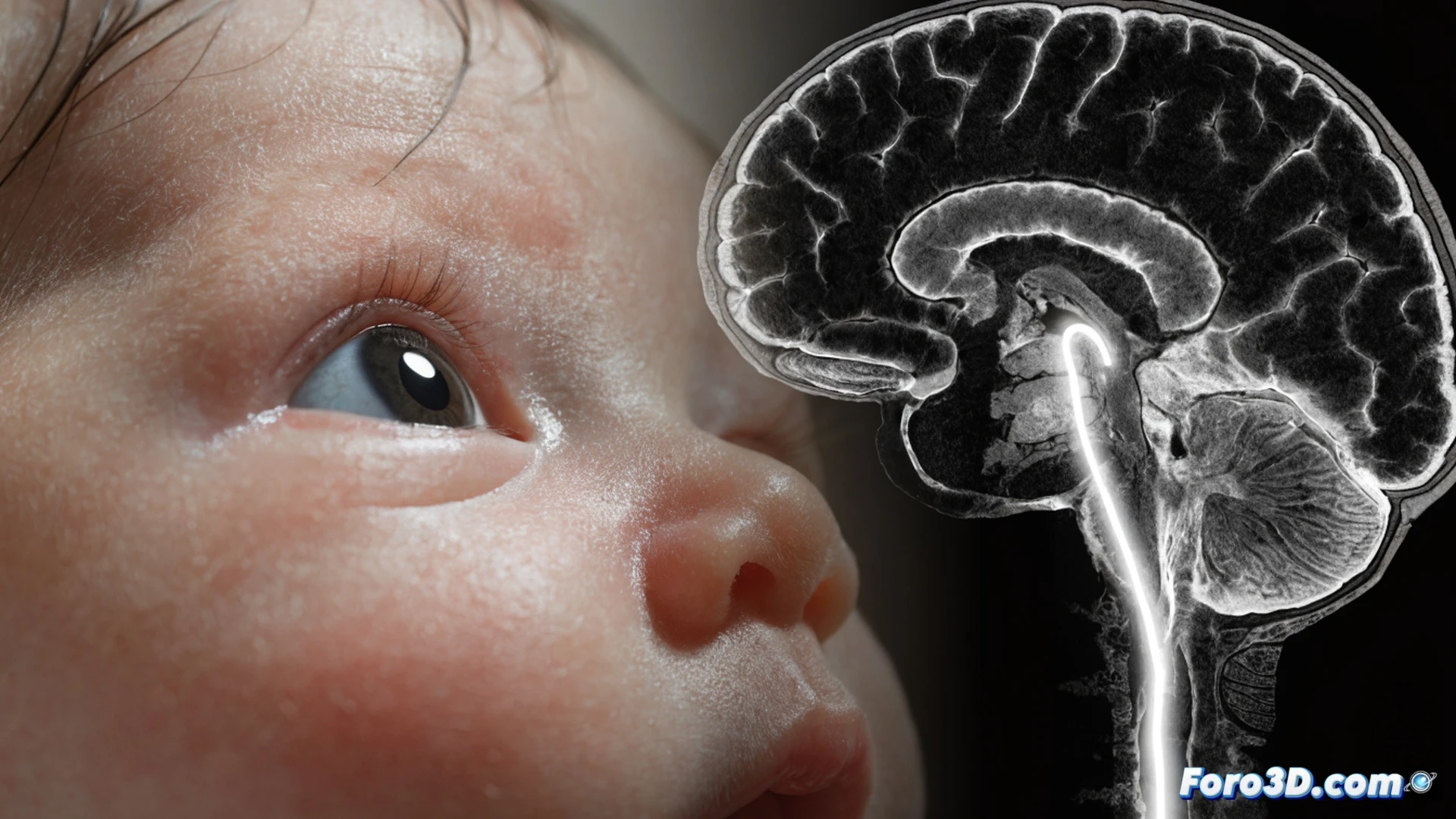
How the infant brain processes numbers from the start 🧠
The research used brain imaging to observe babies' responses to different quantities of dots. The parietal area, associated with numerical processing in adults, was activated even in these newborns. This suggests that the number sense is part of the brain's initial equipment, not something learned through experience. Identifying failures in this area from birth could allow early interventions for children at risk of dyscalculia, offering a window of opportunity for cognitive development.
Your baby already knows how to count: get ready to be outsmarted 👶
So now you know: your newborn doesn't just cry, eat, and sleep. They are also doing mental calculations while you look for your keys. If you see them staring intently at a group of objects, they are not contemplating the universe: they are evaluating if there are enough cookies for the next feeding. And when they grow up, don't blame genetics if they beat you at poker; the blame lies with that mathematical brain they already came with from the factory.