The punching shear failure of columns in an underground auditorium has sparked debate about the reliability of geotechnical models. A roof designed to support the weight of the overlying soil suddenly gave way, causing a partial collapse of the structure. Investigations point to a miscalculation of the earth load, an error that even the most advanced software could not foresee. 😱
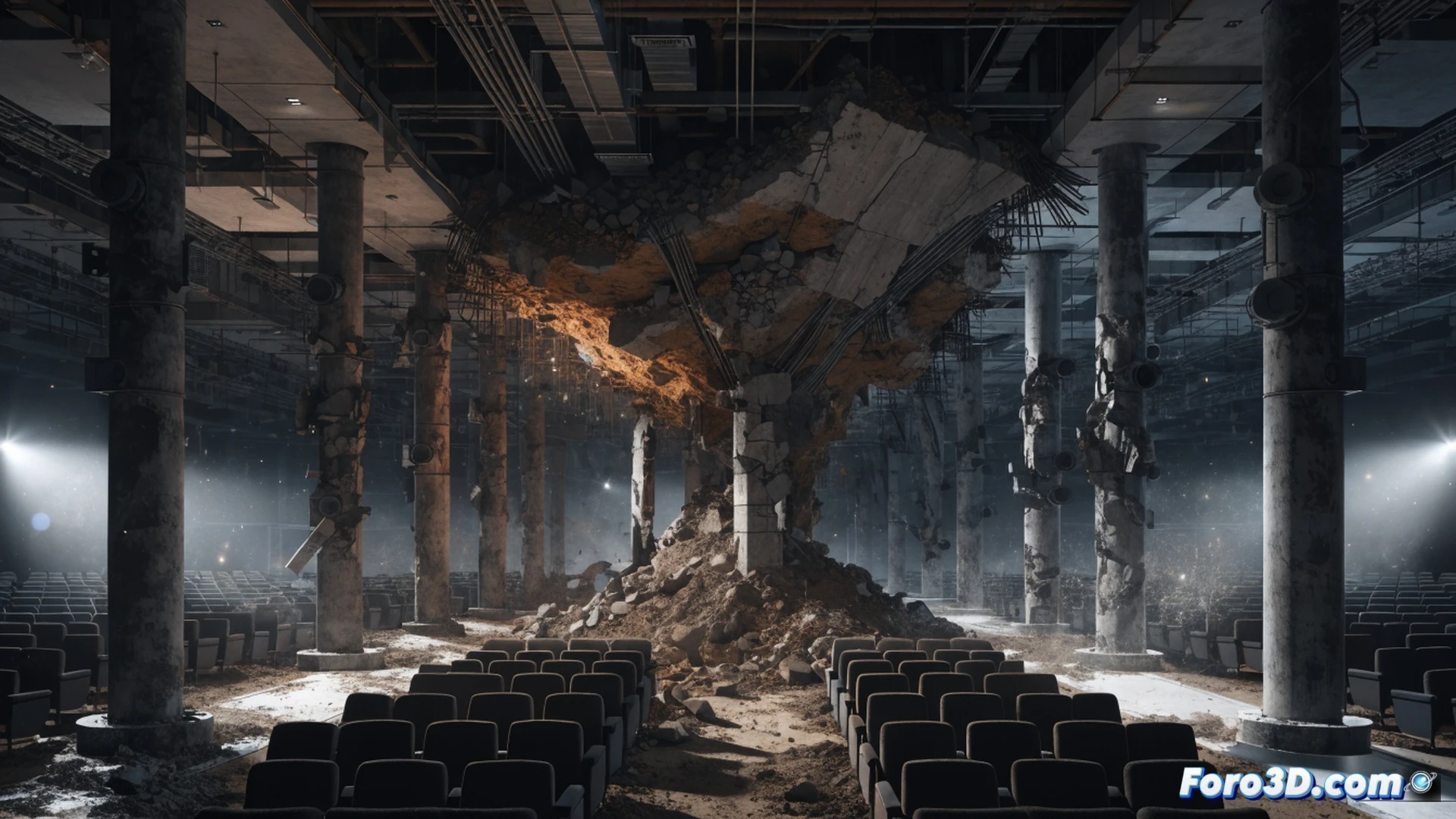
3D Pipeline: from Leica Cyclone to Plaxis 3D, the chain of errors 🏗️
The workflow began with Leica Cyclone for laser scanning of the terrain and generating the point cloud. That data was imported into Plaxis 3D, where the soil-structure interaction was modeled. The problem lay in the assignment of the surface overload: the specific weight of the upper fill was underestimated. The parametric model did not reflect the actual soil compaction, leading to a column design with insufficient punching shear capacity. The error propagated from the initial parameterization to the final report.
The soil doesn't forgive, but neither does the software 💥
Apparently, the modeler trusted the automatic calculation so much that they forgot to check whether the soil above weighed more than a point cloud. The final report indicated a safety factor of 1.5, but reality showed that number was more optimistic than a politician on the campaign trail. Now, engineers are studying whether the error was human or if Plaxis 3D took a day off. What is certain is that the auditorium now has an unplanned skylight not included in the blueprints.