On July 2, 2026, an Atlas V rocket with a Russian RD-180 engine launched with 29 Amazon satellites for its LEO internet network. It was the last flight of its kind, as Russian engines are running out. For citizens, this means there will soon be more competition in satellite internet, which could lower prices and improve service.
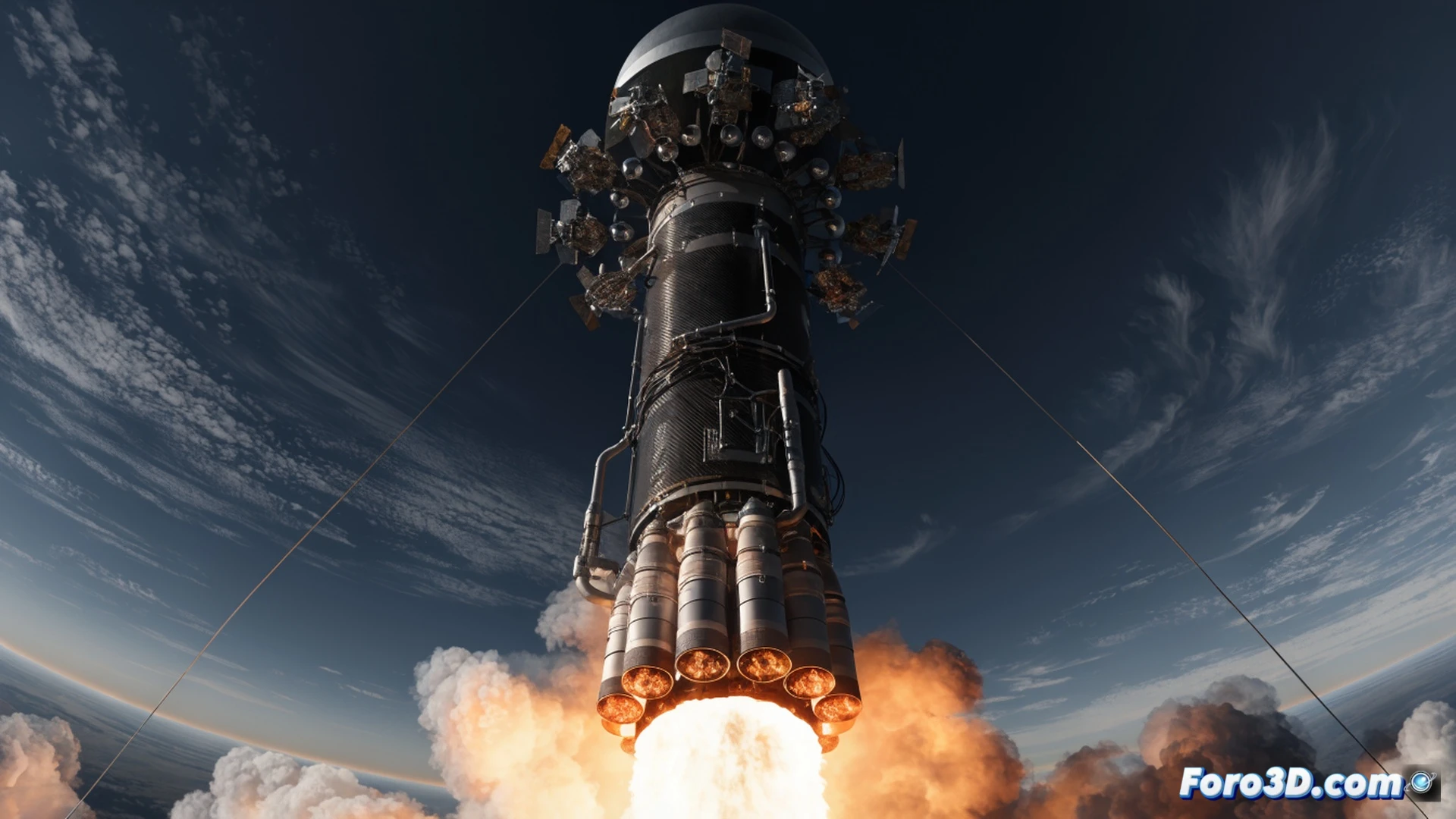
Farewell to the RD-180 and the future of launches 🚀
The RD-180 engine, manufactured in Russia, has been a pillar of ULA's reliability for years. With its retirement, Amazon will need to rely on rockets like the Vulcan Centaur or Blue Origin's New Glenn. Each satellite in this batch weighs about 700 kg and uses ion thrusters to stay in orbit. The Kuiper network aims to offer global coverage with low latency, although thousands of units still need to be deployed.
Goodbye to the Russian engine, hello to uncertainty 🤔
With the last RD-180 burned, ULA is left without its favorite engine, like a chef without their star knife. Now Amazon will have to wait for its new rockets not to fail on the first try. Meanwhile, SpaceX's Starlink must be celebrating with popcorn: less competition for now. But hey, at least satellite internet prices could drop... when the rockets stop being museum pieces.