When a corporation like Amazon decides to cancel a cultural production because it touches on its financial interests, freedom of expression becomes a conditional luxury. The contradiction between its discourse of transparency and the practice of corporate censorship reveals that large companies are the ones who decide which stories deserve to be told, silencing any critical content that discomforts their bottom line.
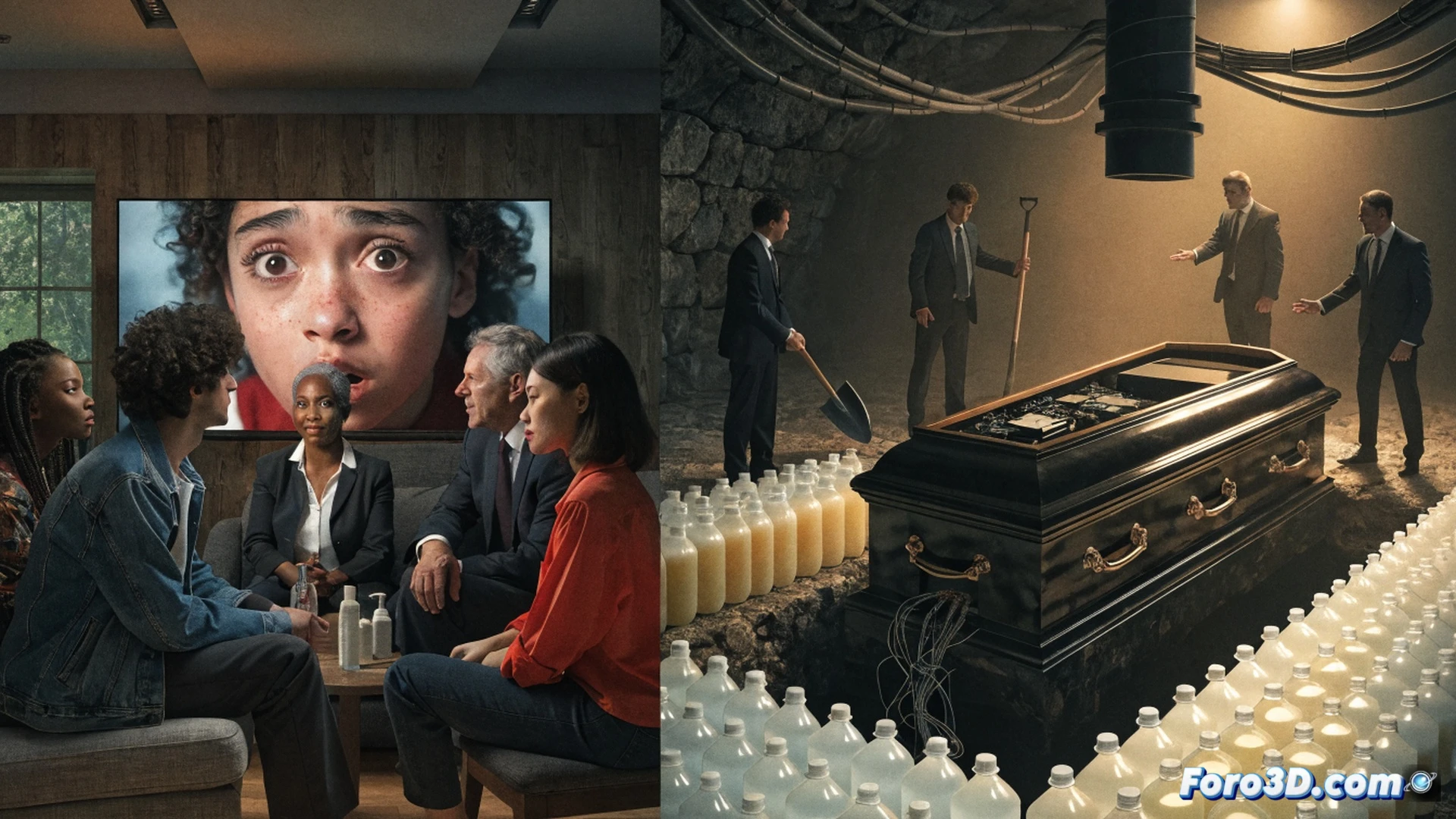
The algorithm that decides your entertainment 🎭
Censorship does not always arrive with a decree, but through recommendation systems and profitability metrics. An internal Amazon study analyzes the return on investment of each series based on cross-selling of products on its platform. If a story critical of mass consumption reduces purchases of Echo devices by 2%, the algorithm labels it as low-performing content and sends it to the digital guillotine. Thus, artificial intelligence becomes the silent censor that decides which voices are heard.
Mr. Bezos, your series didn't sell enough vacuum cleaners 🧹
It turns out that the true KPI of a series is not awards or scripts, but how many Prime subscriptions and dishwashers it manages to move. If your drama about job insecurity does not incentivize the purchase of a robot vacuum, Amazon considers it suboptimal content. The dream of every screenwriter: that their masterpiece is canceled because it failed to make viewers buy a shipment of rechargeable batteries. Next time, add a 30-second ad of Jeff Bezos selling vitamin supplements and maybe you'll survive another quarter.