Historian Rachel Cleves has accused cartoonist Tillie Walden and her publisher of using her work on a 19th-century lesbian couple without acknowledgment or compensation. The case raises questions about how cultural works cite their sources and affects public trust in respect for intellectual property. The community is closely watching the outcome of this controversy.
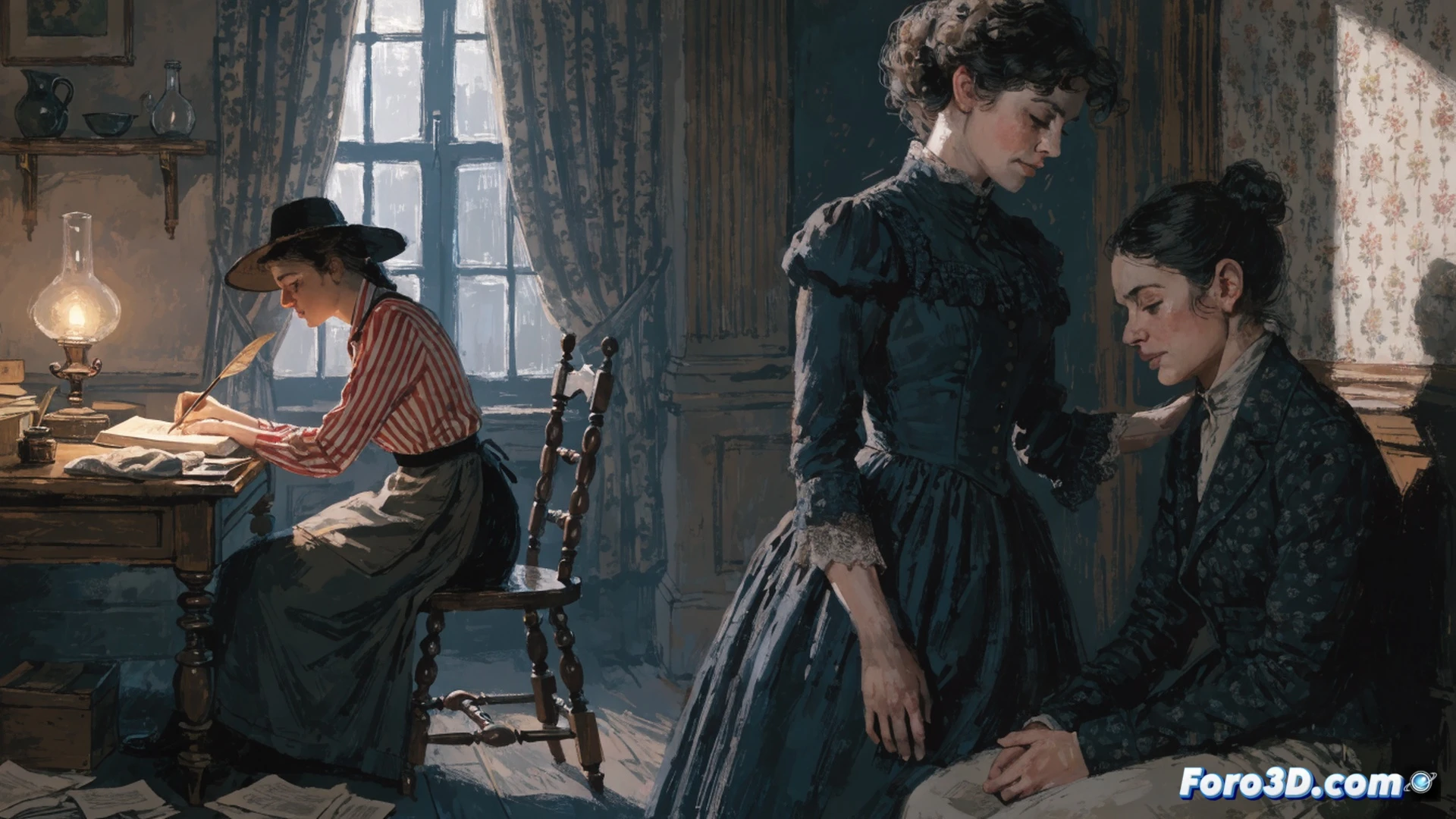
Blockchain and digital watermarks against plagiarism 🔍
The conflict highlights the need for technological tools to track content usage. Systems like blockchain allow for immutable authorship registration, while digital watermarks or embedded metadata make it easier to identify the origin of texts and images. Implementing these solutions in publishing houses and creative platforms could reduce disputes by ensuring traceability and transparency in the use of third-party material.
Credit is not asked for, it is demanded (or paid for) 💸
It seems Tillie Walden forgot that 19th-century stories don't write themselves or come from Pinterest. Maybe she thought Cleves' research was public domain, like a cat meme. But historians don't live on air and good intentions. If you're going to borrow someone else's work, at least buy them a coffee or put their name on the cover.