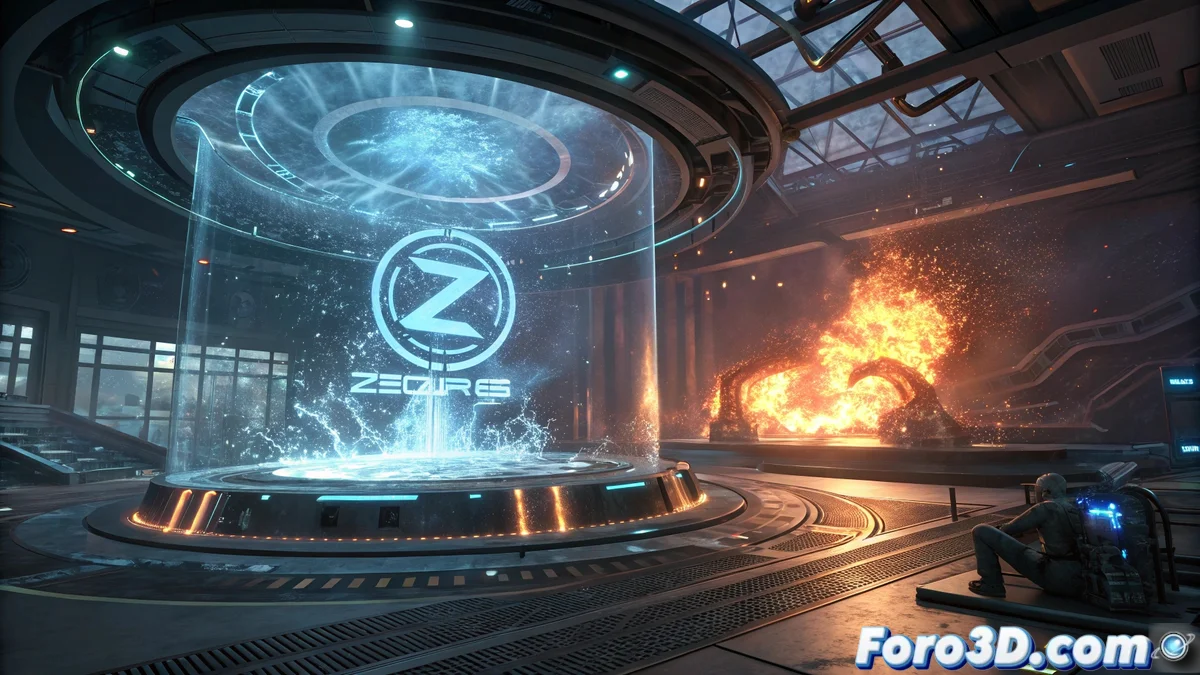
Complex Physics Meets Artificial Intelligence
Zibra AI, the company specialized in artificial intelligence tools for visual effects, has officially unveiled ZibraGDS, a platform that promises to radically transform real-time physics simulations. This innovative solution combines advanced physics algorithms with generative AI to create realistic simulations of fluids, smoke, destruction, and interactive materials. A qualitative leap in the accessibility of complex visual effects for developers and technical artists.
Democratizing High-End Simulations
ZibraGDS is specifically designed to integrate natively with popular engines like Unity and Unreal Engine, eliminating much of the technical complexity traditionally associated with advanced physics simulations. The platform leverages the power of modern GPUs and artificial intelligence algorithms to automate physical behaviors that previously required extensive manual setups. Physics as a service rather than an insurmountable technical challenge.
Standout Technical Capabilities
- Real-time simulation of liquids and gaseous effects
- Destruction systems and deformable materials
- Automatic optimization for complex scenes
- Automation of behaviors via AI
Why It Matters for Indie Studios
Until now, high-quality physics simulations were predominantly in the hands of large studios with specialized technical teams. ZibraGDS levels the playing field by offering intuitive tools that drastically reduce the learning curve. An opportunity for small teams to compete visually with higher-budget productions, without requiring deep knowledge in programming or fluid dynamics.
Immediate Practical Advantages
- Significant reduction in production times
- Direct integration with existing pipelines
- Professional visual results from the start
- Support for multiple development platforms
A platform that brings the magic of blockbuster visual effects within reach of any developer with a decent GPU and a lot of imagination.
For technical artists and VFX developers, ZibraGDS represents the realization of a long-awaited dream: being able to prototype and refine complex simulations directly within the game engine, without constant trips between specialized applications. The immediacy of the results greatly accelerates the creative iterative process 🎮.
And the best part is that now you can blame the AI when that explosion simulation isn't perfect, although the problem is probably still that you forgot to adjust those parameters you promised to review last week 😅.