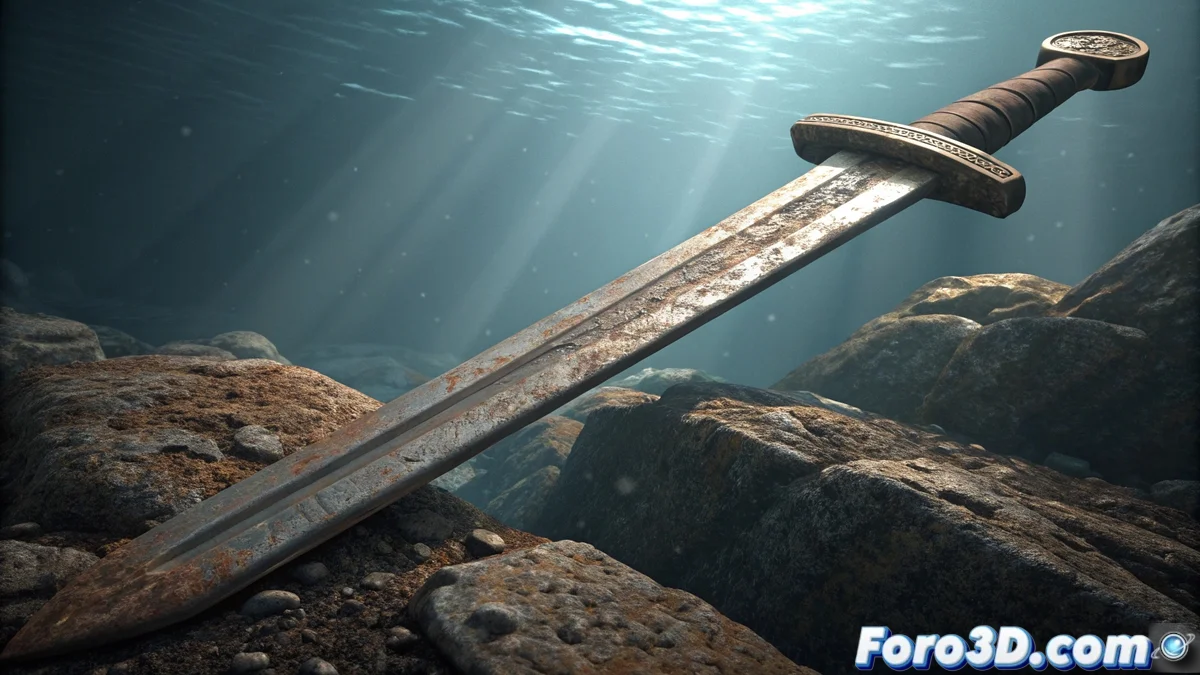
When the Fjord Returns a Viking Treasure
An extraordinary discovery has emerged from the cold Norwegian waters: divers have recovered a 1,000-year-old Viking sword from the bottom of a fjord. ⚔️ The weapon, dating back to approximately 1000 AD, has surprised archaeologists with its exceptional state of preservation and is believed to have belonged to a high-ranking warrior. This find provides invaluable information about Viking metallurgy, weapon-making techniques, and the lives of these legendary Scandinavian warriors.
For digital artists and 3D sculptors, this discovery represents a fascinating opportunity to explore historical sculpting techniques in ZBrush. 🎨 The digital recreation of this sword allows not only to document its morphology and ornamental details, but also to capture the effects of time and underwater erosion that have given character to the weapon during its millennium submerged. The combination of organic sculpting tools, advanced texturing systems, and realistic rendering can bring this historical artifact back to life.
A digital journey to the heart of Viking martial art through 3D sculpting.
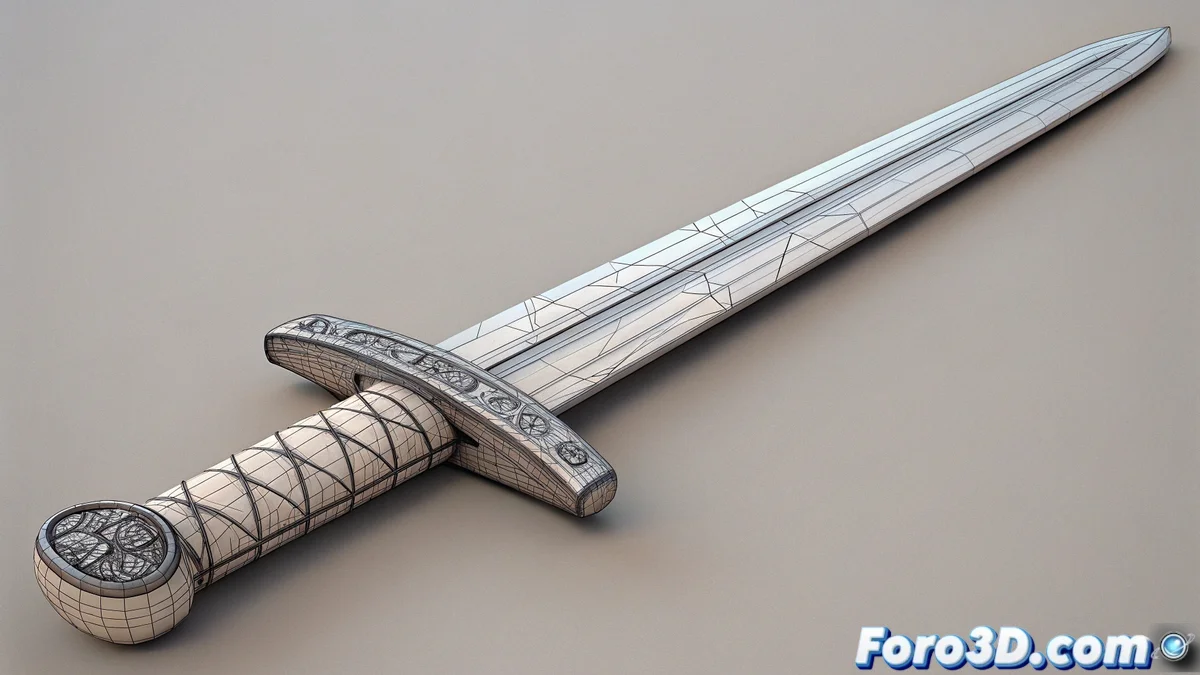
Sculpting Techniques for Historical Weapons
The ZBrush recreation begins with meticulous historical research on Viking sword typology. 📐 Setting the appropriate scale (approximately 1 meter in length) is crucial for maintaining realism. Organization using separate subtools for blade, guard, hilt, and pommel allows for precise and non-destructive work. The use of Dynamesh and ZModeler facilitates the creation of the characteristic double-edged silhouette and the central fuller typical of high-quality Viking swords.
The essential elements to recreate Viking authenticity include:
- Double-edged blade with a well-defined central fuller
- Ornate guard with characteristic geometric patterns
- Hilt with details of braided leather or carved wood
- Pommel circular or oval typical of the period
Texturing and Aging for Underwater Realism
Texturing and aging are crucial to convey the thousand years of immersion. 🕰️ The application of corrosion, rust, and patina effects using brushes like DamStandard and Orb Cracks creates the characteristic eroded surface of metals exposed to saltwater. The use of polypaint to add color variations and sediment accumulations in protected areas adds archaeological authenticity. The cold and ambient lighting recreates the fjord conditions, accentuating the textures and deepening the shadows in the ornamental engravings.
Ironically, this sword spent a millennium at the bottom of a Norwegian fjord and yet has survived in better condition than many mobile phones after a brief drop in the sink… though the Vikings would probably prefer their sword to any modern smartphone. 📱 A reflection on the durability of traditional craftsmanship versus the fragility of our modern technology, and on how the best-built objects were those designed to survive not only use, but the relentless passage of time.