A New Vision for Marvel Mutants
The Ultimate X-Men collection represents a radical shift in traditional superhero narrative. Under the artistic direction of Peach Momoko, the series has opted for a slow development of characters and setting, relegating action scenes to the background during its first year of publication. This approach has generated mixed reactions among genre followers, dividing opinions between those who appreciate the innovation and those who miss the classic format.
Fusion of Eastern and Western Styles
The recent story arc shows a clear influence of Japanese manga in several fundamental aspects:
- Attack nomenclature with specific names like Hanafubuki
- Fight choreographies that prioritize dynamism over realism
- Active participation of spectators who comment on the action
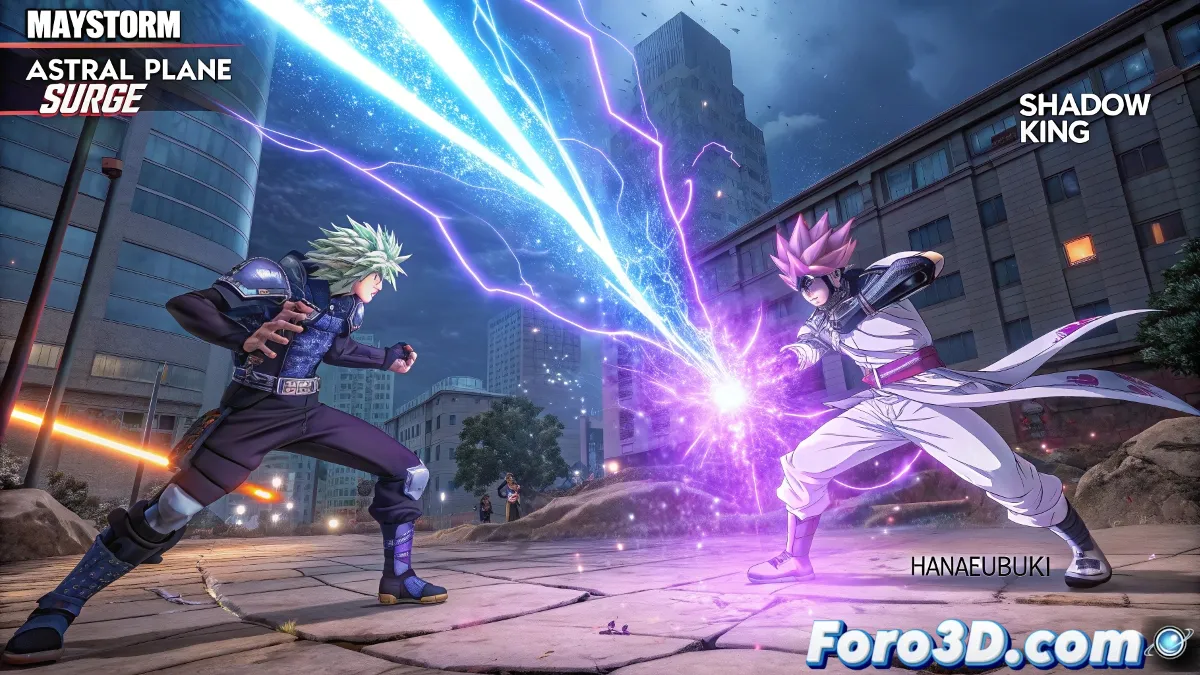
These elements, combined with the X-Men's own mythology, create a unique synthesis in the current comic landscape. The battle in the Astral Plane against Shadow King perfectly exemplifies this blend of narrative traditions.
"The true merit of this series lies in its ability to maintain the mutant essence while adopting radically different storytelling forms"
Combat as Dramatic Expression
The confrontation between Maystorm and Surge transcends mere visual spectacle to become a crucial plot point. This particular duel stands out for:
- The emotional charge derived from their shared history
- The use of special techniques rooted in Japanese culture
- The intervention of supernatural elements like Tsubasa's ghost
Momoko demonstrates special skill in turning each blow into character development, moving away from the gratuitous violence typical of the genre.
Redefining Superhero Comics
This version of the X-Men sets an important precedent for the evolution of the medium. Unlike other iterations of the mutant team, Ultimate X-Men prioritizes:
- Psychological growth over continuous action
- Atmosphere and setting over plot twists
- Visual experimentation over established canons
The result is a work that challenges expectations while expanding the narrative possibilities of superhero comics, demonstrating that there is still room for innovation in a genre with decades of history.