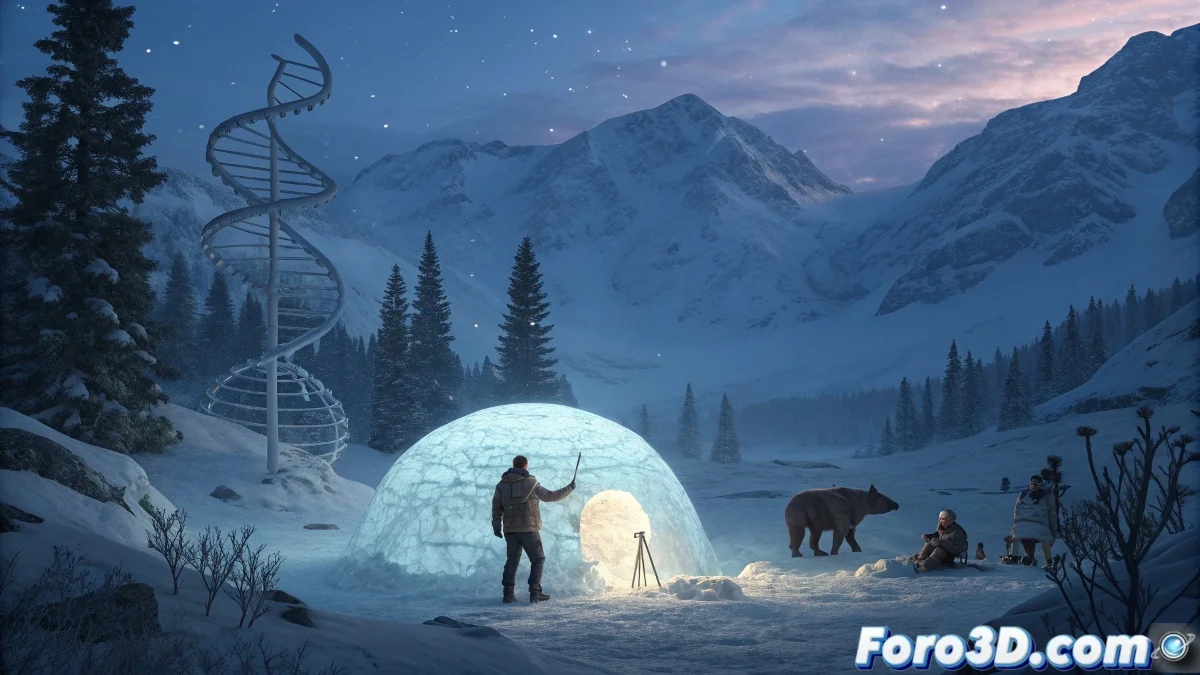
A Genetic Time Capsule Under the Ice
A team of scientists has made a revolutionary discovery in Greenland: they have recovered genetic material 2 million years old, the oldest DNA ever identified. Exceptionally preserved in the frozen sediments of the permafrost, this finding opens an unprecedented window into a remote ecosystem, revealing a world where Arctic animals coexisted with vegetation from temperate climates. It's like finding a genetic library from the Ice Age. 🧊
Rewriting the History of Climate and Evolution
The analysis of this ancient DNA is providing information that challenges previous conceptions about the climate of that era. Contrary to what was thought, the ecosystem was significantly warmer, allowing for a unique landscape where mastodons and reindeer shared territory with trees like poplars. This discovery not only tells us about the past but also offers crucial clues about how organisms adapt to extreme climate changes, a topic of utmost relevance today. 🌡️
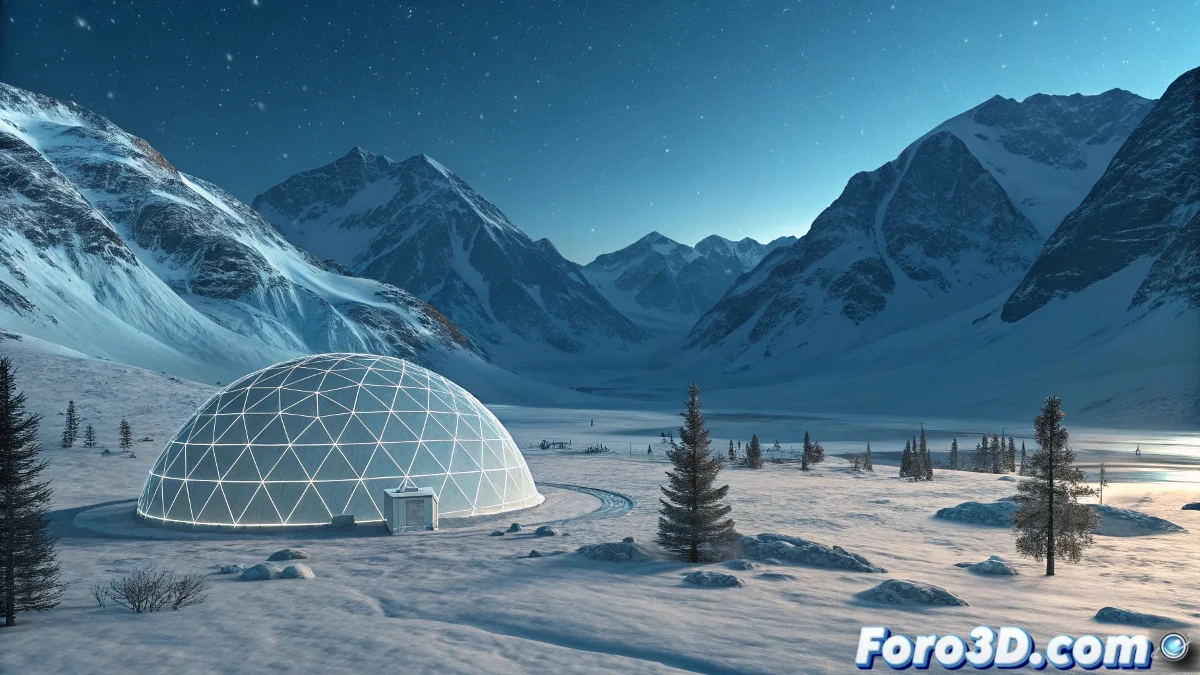
Recreating a Lost World in 3ds Max
To visualize this extinct ecosystem, 3ds Max becomes an invaluable tool. The 3D recreation allows bringing scientific findings to life in a tangible and educational way. The process involves several key stages:
- Terrain Modeling: Creating the Arctic landscape with glaciers and frozen surfaces using displacement modifiers.
- Recreation of Flora and Fauna: Modeling extinct animals and vegetation based on genetic and fossil data.
- Materials and Atmosphere: Applying realistic ice and rock textures, and using cold lighting and volumetric fog effects to capture the essence of the environment.
The result is an immersive representation of a world that no longer exists. 💻
This representation allows for the interactive visualization of what a prehistoric Arctic ecosystem looked like and how its inhabitants evolved.
The Educational Value of Digital Reconstruction
Beyond its scientific impact, the ability to visually recreate this ecosystem has enormous educational value. It allows students and the general public to understand the scale and complexity of prehistoric life in a way that diagrams or fossils alone cannot convey. It is a powerful tool for communicating science and highlighting the importance of genetic preservation and the study of our planet. 📚
In the end, this discovery shows that the most remote past still has much to teach us. And the funny thing is, if global warming continues like this, we'll soon have to dig up that flora and fauna again because they will be the only species that know how to survive in such a warm climate. 😉