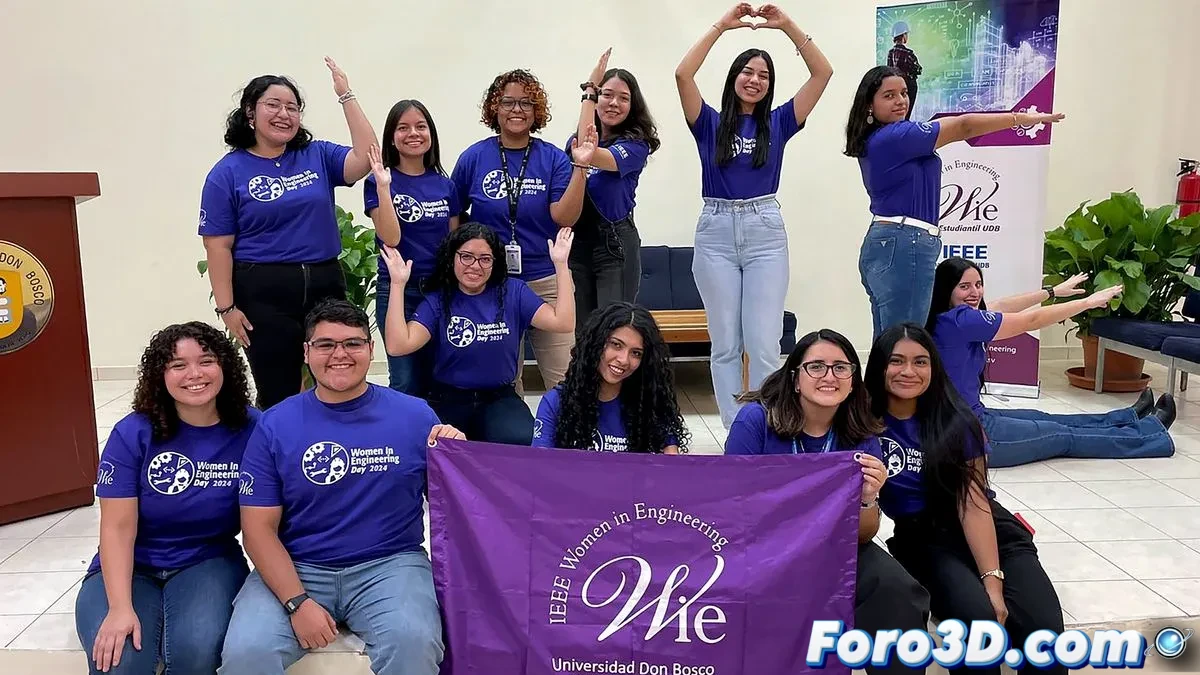
The Transformative Role of Women in Engineering
Since its foundation more than two decades ago, the IEEE Women in Engineering initiative has worked to reduce the gender gap in the technological field. Recent years have marked a turning point, with programs designed to foster inclusion from classrooms to the workplace. Although the percentage of female professionals in these fields remains below 35%, advances are beginning to be reflected in concrete figures.
Achievements and Obstacles in Female Representation
The organization has reached a significant milestone by surpassing 28,000 registered members, with annual growth close to 20%. This increase demonstrates the growing interest in technical careers among women, although important challenges persist. The transition from student to professional remains a critical moment where many drop out of the sector, according to program managers.
Our goal is not only to attract female talent, but to create the conditions for them to develop long and satisfying careers in engineering
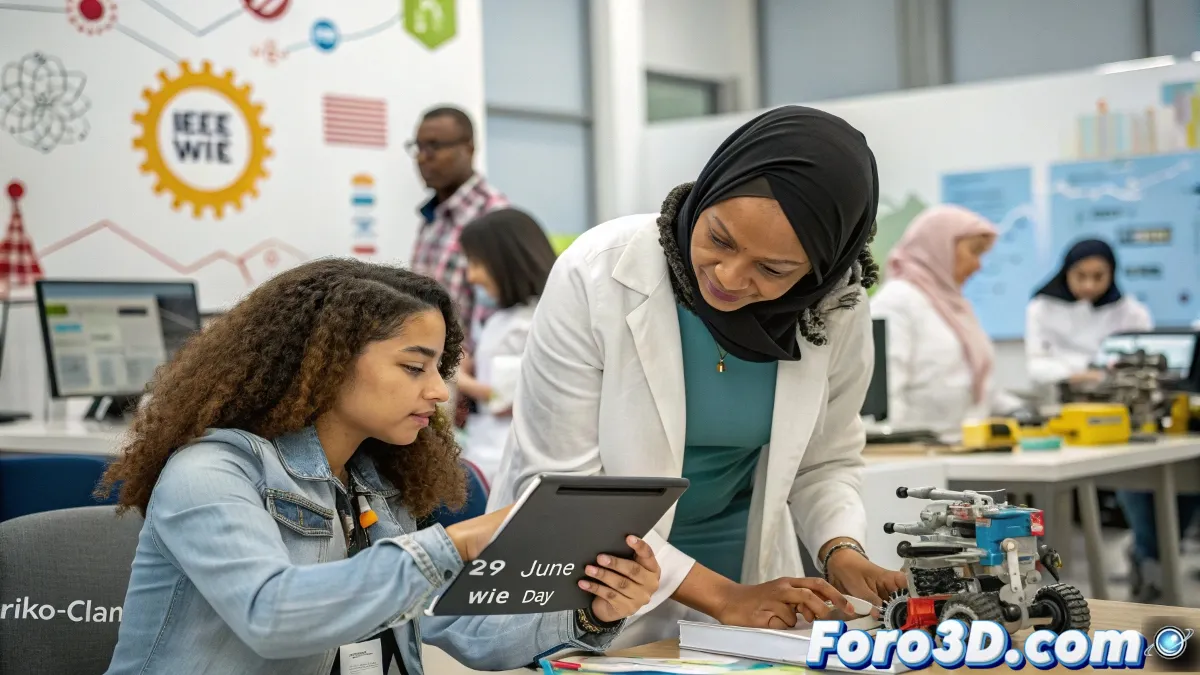
Strategies for Professional Development
Among the most effective tools implemented recently are:
- Personalized mentoring programs for different professional stages
- International networking events in hybrid format
- Scholarships specifically for women with family responsibilities
- Training platforms for technical leadership skills
These initiatives are complemented by specialized summits that rotate through different regions of the world, bringing growth opportunities to places with lower female representation in the sector.
Attracting New Generations
The focus on youth and adolescents has given rise to innovative formats that break traditional stereotypes. Competitions such as the technical manga contest or climate entrepreneurship challenges seek to show engineering as a creative field with social impact. These projects have proven particularly effective in sparking vocations at early ages.
Future Perspectives
Expansion plans contemplate strengthening presence in regions such as sub-Saharan Africa and Latin America, where growth potential is greatest. The organization works on alliances with universities and companies to create clear professional pathways that allow retaining female talent. The next challenge will be to adapt these programs to rapid technological changes, ensuring that women actively participate in emerging fields such as artificial intelligence and quantum computing.