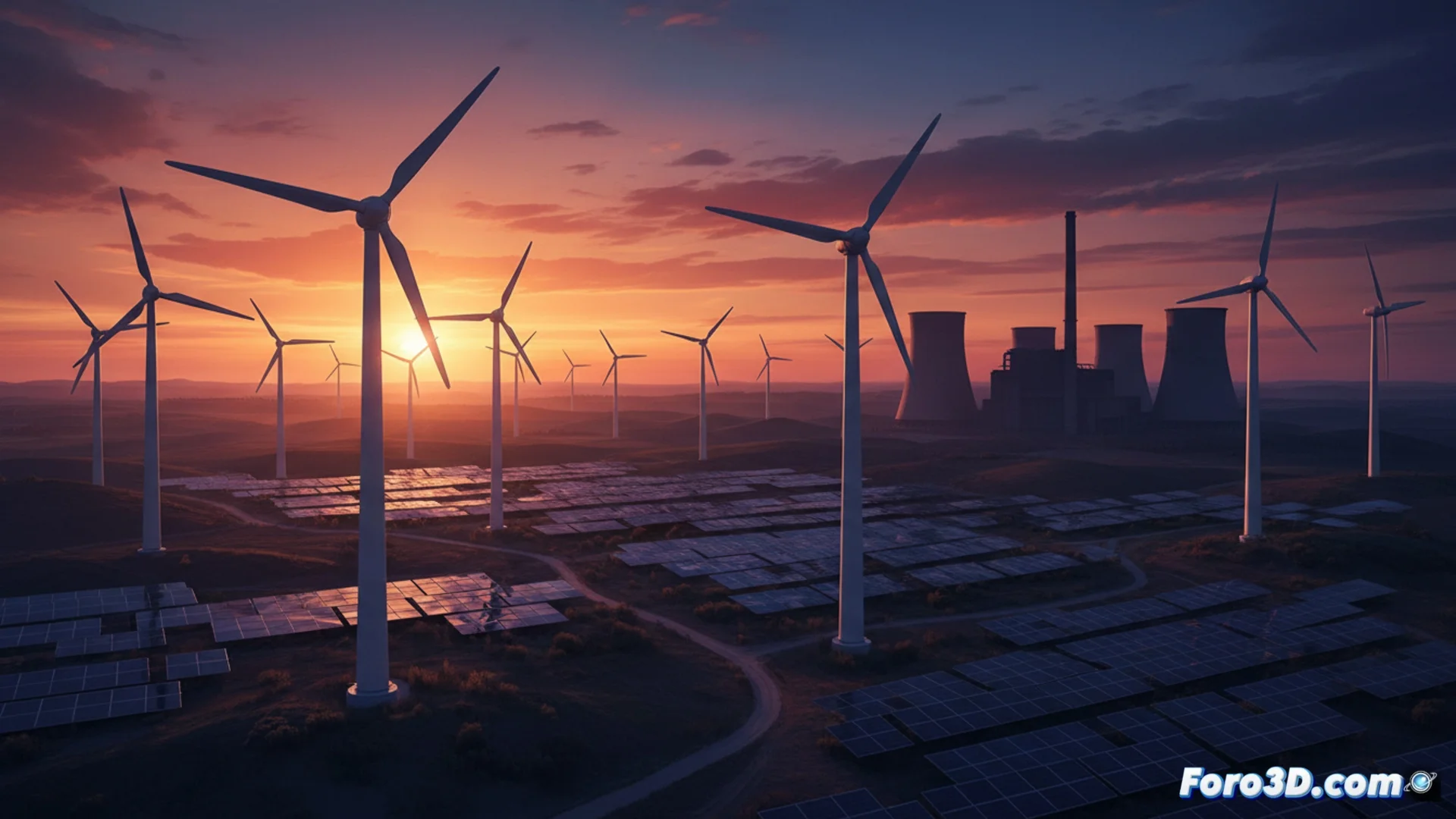
Wind and Solar Energy Surpass Fossil Fuels in Europe
An analysis by Ember confirms a historic turning point: during the year 2025, the electricity generated by wind and sun in Europe surpassed for the first time that produced by coal and natural gas. Preliminary data indicate that these renewable sources supplied more than 35% of the continent's electricity needs, while fossil fuels contributed just over 33%. This achievement evidences an accelerating trend to decarbonize the energy sector. 🌍⚡
The Constant Boost of Renewables
The installed capacity for wind and solar energy has grown steadily in recent years. This progress is due to supportive policies and falling technology costs. Nations such as Germany, Spain, and Denmark are leading this change. Meanwhile, electricity generation from coal has fallen to historic lows, although natural gas remains relevant to ensure grid stability when renewable production is low.
Key Growth Factors:- State and European Union support policies.
- Continuous reduction in the cost of solar panels and wind turbines.
- Leadership of countries with a tradition of integrating renewables.
Coal generation has fallen to historic levels, although natural gas maintains a relevant role in ensuring grid stability.
Pending Challenges in the Transition
Despite this progress, the European electricity system faces challenges ahead. The intermittent nature of wind and sun requires developing more storage systems and improving interconnections between countries. Additionally, total electricity demand is rising, driven by the electrification of transport and industry, which pressures the expansion of renewables not to slow down.
Main Challenges:- Manage intermittency with more energy storage.
- Strengthen cross-border electrical interconnections.
- Meet a constantly increasing electricity demand.
The Future of Energy Prices
The next logical step that many expect is for the electricity price to reflect this abundance of sources with nearly zero marginal cost, such as wind and sun. The expectation is that the rate will not depend solely on the fluctuations of the wholesale market and fossil fuels, but will capture the benefit of producing with free and domestic resources. 🔋💨