The Technological Challenge of the Digital Encyclopedia
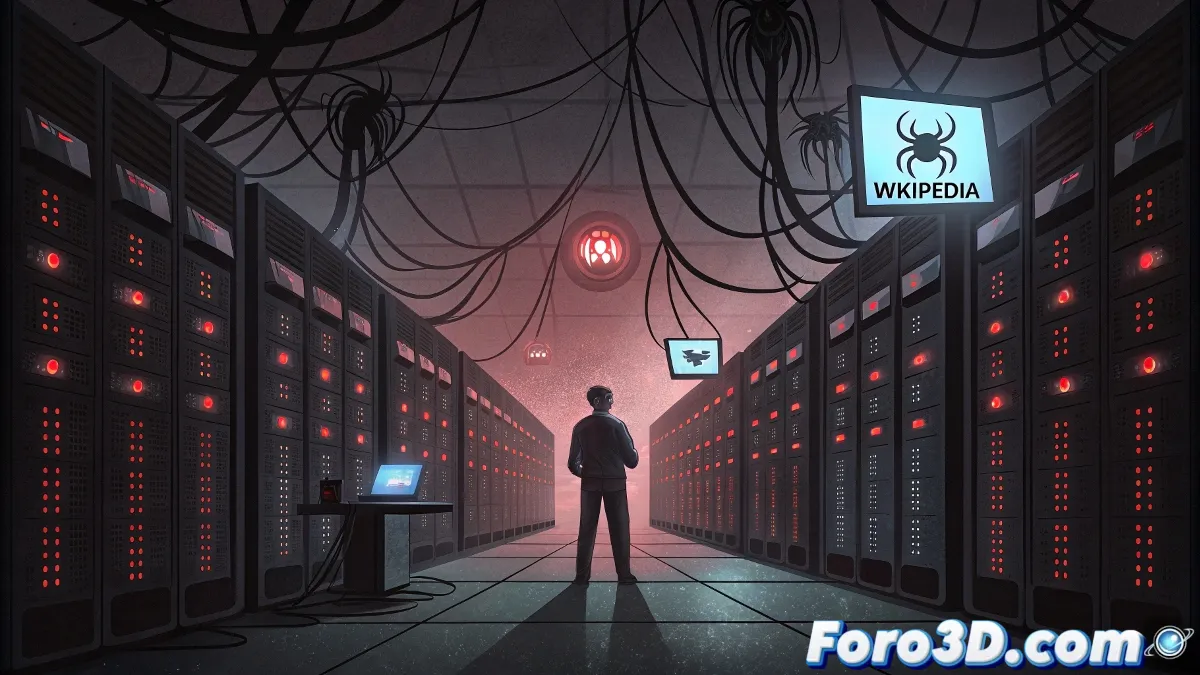
The largest source of collaborative knowledge faces an unexpected challenge in the era of intelligent systems. The growing use of automated data extractors is generating unprecedented operational load on its servers. This phenomenon raises fundamental questions about the sustainability of open information projects.
Impact of Automated Scraping
During the first months of 2024, a 50% increase in multimedia content requests was observed. This increase mainly comes from:
- AI training collection bots
- Mass indexing systems
- Automated data analysis tools
The non-profit organization behind the platform must now bear unforeseen operational costs not included in its original model.

Dilemma Between Openness and Sustainability
"Free knowledge was always conceived for human benefit, not as raw material for automated systems"
This foundational principle is in tension with new technological realities. While AI developers seek accessible training sources, project maintainers must ensure its technical and economic viability.
Adaptation Strategies
Among the possible solutions being considered are:
- Implementation of access limitation systems
- Development of specific APIs for automated use
- Collaboration models with technology companies
These measures aim to preserve human access while regulating commercial and industrial uses of the content.
Future of Open Knowledge
This case represents a paradigmatic example of the challenges facing digital commons in the era of artificial intelligence. The solution will require technical innovation, but also agreements on the ethical use of collective informational resources. The balance between openness and sustainability will mark the path forward for similar projects in the future.