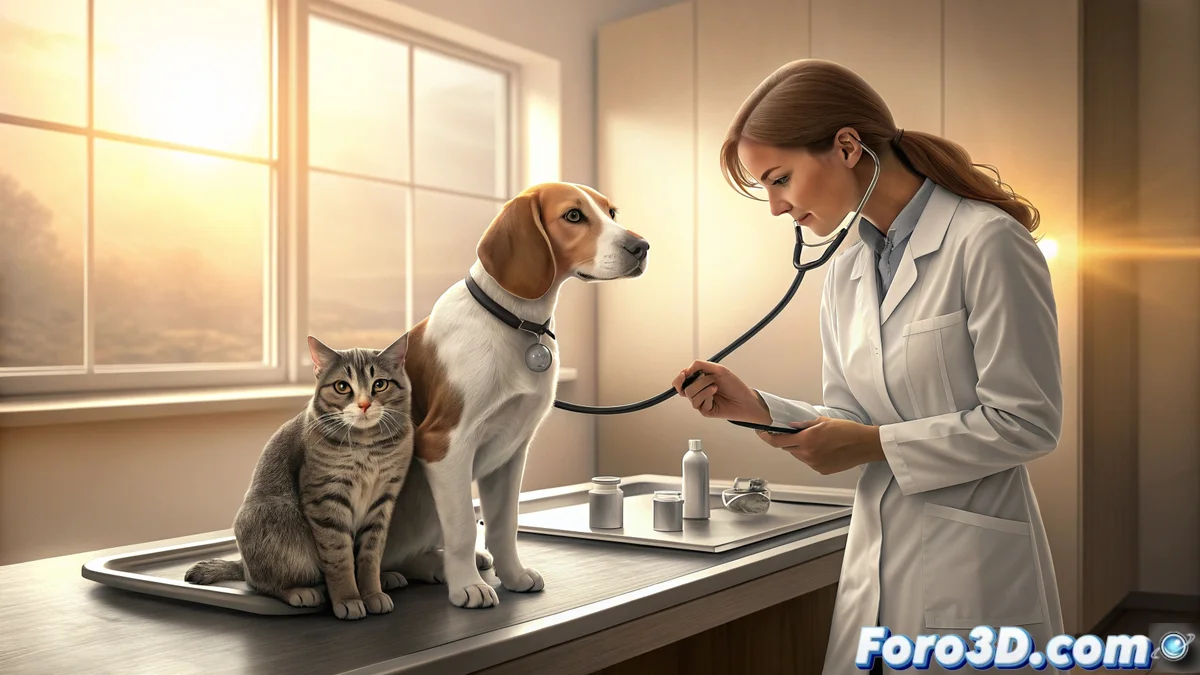
Why Taking Your Pet to the Vet Every Year is Essential
Scheduling an annual check-up with the vet is one of the most responsible acts to protect your pet. This habit allows monitoring its well-being continuously and acting before a minor discomfort turns into a serious problem. 🐕
The Annual Check-Up as an Early Diagnostic Tool
During the consultation, the professional assesses the pet's overall condition. Not only is the animal weighed, but its teeth, joint mobility, and behavior are also checked. This process is the foundation of preventive medicine, which seeks to prevent diseases from appearing or progressing, rather than just treating them once they are present.
What can be identified in a routine check-up:- Dental problems such as tartar or gingivitis, which can lead to infections.
- Early arthritis or joint pain that limits mobility.
- Metabolic alterations, for example, early signs of diabetes or kidney problems.
A proactive owner is worth two, even if the pet still prefers to hide the pill in the sofa rather than take it.
Keeping Defenses Active: Vaccinations and Parasite Control
Updating the vaccination plan and deworming the pet are pillars of the annual visit. Vaccines prepare the immune system to defend against specific viruses, such as distemper or rabies. Deworming, both internal and external, controls pests like fleas, ticks, and worms.
Benefits of following the vet's established schedule:- Keep immune defenses active and effective against common diseases.
- Protect the pet and the family environment from zoonotic parasites.
- Adapt the protocol to the animal's species, age, and lifestyle for optimal protection.
Investing in Prevention Saves Resources and Suffering
Allocating resources to regular check-ups is usually simpler and less costly than dealing with treatments for advanced diseases. Detecting a problem early allows intervention with simpler therapies, better prognosis, and lower economic cost. This practice not only saves money, but also minimizes stress and discomfort for the animal, ensuring a better quality of life for more years. 🏥