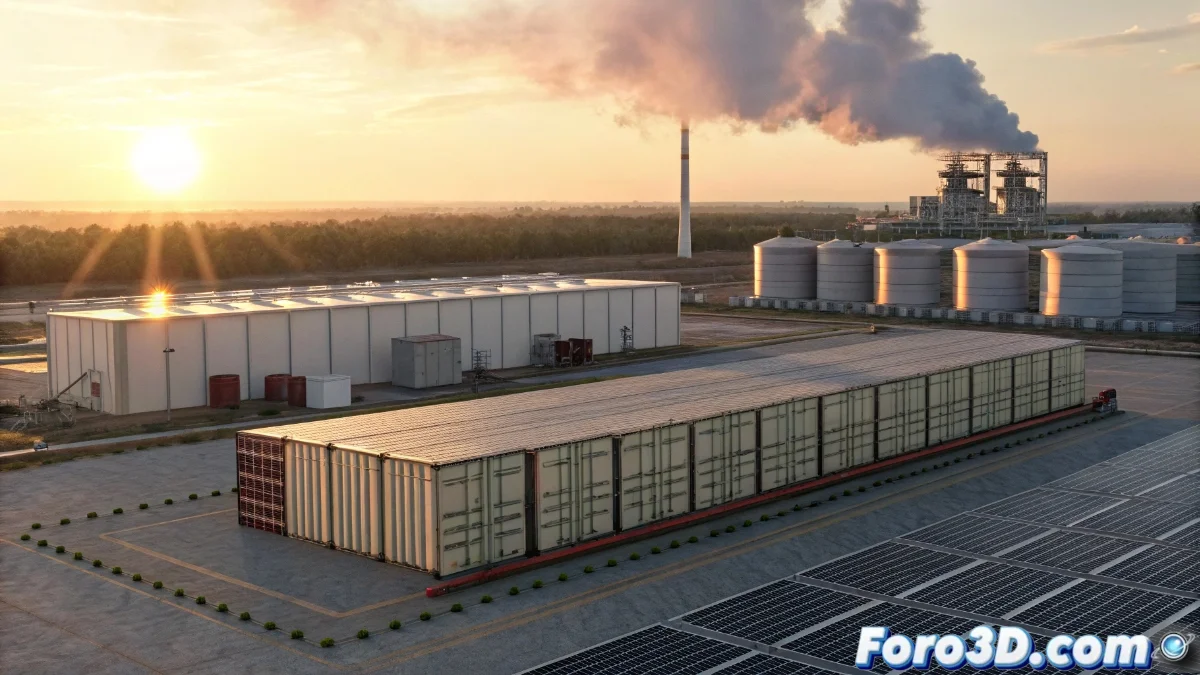
Watermelon Batteries: Energy Storage with Dehydrated Fruit
Watermelon batteries represent a revolution in the field of sustainable energy storage, using the pulp of this fruit dried as a phase change material. This innovative technology harnesses the intrinsic capacity of watermelon to absorb and subsequently release thermal energy during its physical state transitions, providing an ecological and efficient alternative for thermal storage. Most notably, it utilizes an abundant biological resource that, under other circumstances, would become agricultural waste. 🍉⚡
Operating Mechanism of the Thermal System
The technical process begins with the complete dehydration of the watermelon pulp, which is then compacted into standardized modular units. When the system receives surplus energy from renewable sources, it heats this biological material until it reaches its specific melting point, thus storing energy in the form of latent heat. During periods of peak energy demand, the mechanism is completely reversed: the material progressively solidifies while releasing all the accumulated heat, which can be transformed back into usable electricity or used directly for heating systems. This complete charge and discharge cycle can be repeated numerous times without significant degradation of the base material.
Main Features of the Process:- Transformation of fresh pulp into dehydrated material through controlled processes
- Compaction into standardized modules to facilitate system scalability
- Energy storage through controlled solid-liquid phase transitions
The watermelon that refreshes us in summer could perfectly heat our homes in winter, proving that the most innovative solutions are sometimes found in the most unexpected places.
Benefits in Large-Scale Implementations
The competitive advantages of this technology are multiple and significant, including its extremely low raw material cost, the complete biodegradability of the storage material used, and its exceptional energy density. Systems designed for industrial scale can be perfectly integrated with solar thermal power plants or cogeneration facilities, providing seasonal storage that contributes decisively to balancing electrical grids. Additionally, utilizing an agricultural byproduct drastically reduces the system's global carbon footprint compared to conventional batteries.
Applications and Environmental Benefits:- Integration with existing renewable energy infrastructures
- Significant reduction of unutilized agricultural waste
- Minimization of carbon footprint compared to conventional systems
Future Perspectives and Reflections
This disruptive technology invites us to completely reconsider our approach to energy storage materials, demonstrating that the most efficient and sustainable solutions can come from simple and abundantly available biological sources. The development of watermelon batteries represents a significant step toward a circular economy in the energy sector, transforming what was previously considered waste into a valuable resource for renewable energy storage. Who would have imagined that the humble watermelon, besides delighting our palate, could become a fundamental component for the global energy transition. 🌍🔋