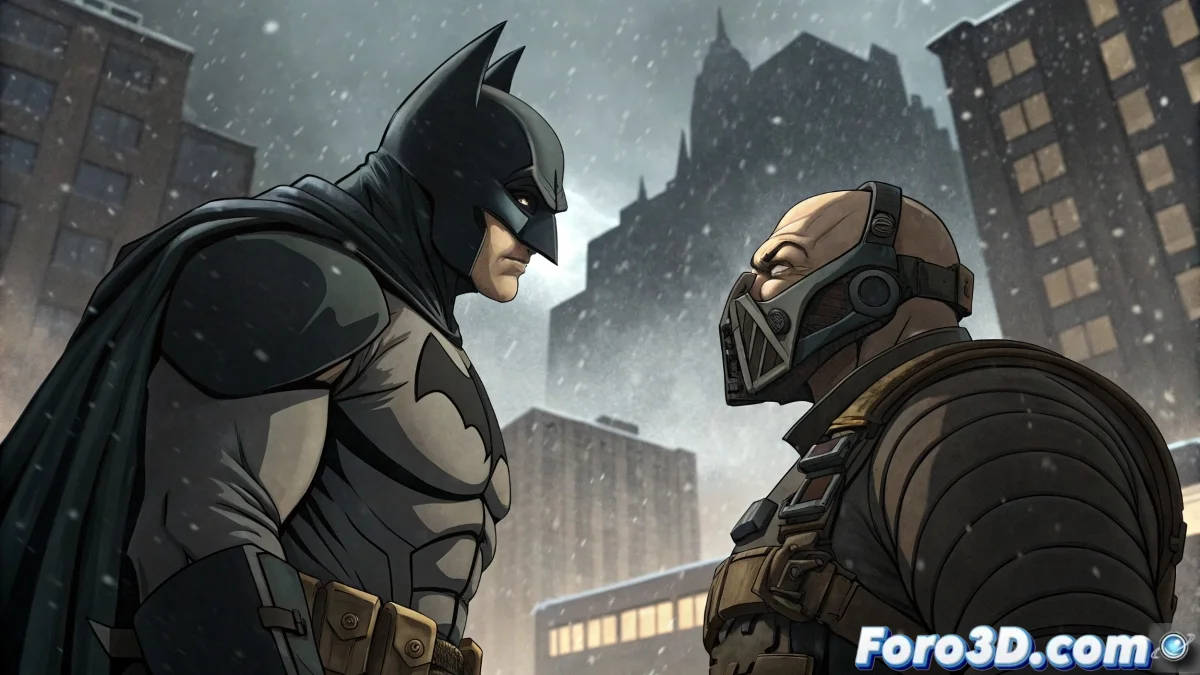
Batman: Knightfall - The Definitive Dark Knight Saga Arrives Animated
Warner Bros. Animation has officially announced the multi-part animated adaptation of Batman: Knightfall, one of the most iconic narrative arcs in the history of the Dark Knight. This ambitious production will cover the epic 1993 saga where Bane achieves the unthinkable: physically and mentally breaking Batman. The multi-part format will allow for the first time to adapt this complex story with the depth it deserves, which originally spanned multiple comics and forever changed the legacy of the Dark Knight.
The Definitive Batman Narrative Arc
Knightfall represents a fundamental turning point in Batman's mythology, exploring the character's physical and psychological limits like never before. The saga is divided into three clear acts: Bane's methodical campaign to exhaust Batman by releasing all the inmates from Arkham Asylum, the climactic confrontation where Bane breaks Bruce Wayne's back, and the period where Jean-Paul Valley (Azrael) assumes the mantle of the Bat with catastrophic results. This tripartite structure adapts perfectly to the announced multi-part movie format.
What makes Knightfall particularly suitable for animated adaptation is its essentially cinematic nature from its conception. The narrative was designed with a pacing and escalation that naturally lends itself to the visual medium, with action sequences that have been etched into the collective memory of fans. The adaptation promises to explore not only the physical but the psychological wear that makes Bruce Wayne vulnerable, showing how even the most prepared hero can be defeated when pushed beyond his limits.
Key Elements of the Knightfall Saga:- The mass release of Arkham Asylum inmates
- Batman's systematic exhaustion by Bane
- The physical breaking in the Batcave - "I broke the bat"
- Azrael's era as a more violent Batman
- Bruce Wayne's recovery and return
Adaptation Approach and Visual Style
Warner Bros. Animation has indicated that the adaptation will maintain the dark and psychological essence of the original material while leveraging the advantages of the animated medium to enhance the story's most spectacular elements. The visual style will draw inspiration from the seminal art of the original comics but with a contemporary sensibility that takes advantage of advances in digital animation. Particular attention is being given to the depiction of Batman's physical and mental deterioration throughout the saga, using animation's visual language to convey his growing exhaustion.
The multi-part format allows for an unprecedented development of supporting characters, from Robin and Nightwing to Commissioner Gordon and Alfred, who play crucial roles in the narrative. The filmmakers have highlighted their interest in exploring the perspectives of these supporting characters as they witness Batman being pushed to the limit and eventually replaced by an unstable successor. This approach promises to add layers of emotional depth to what is already one of the Dark Knight's most personal stories.
Knightfall is not just a story about Batman being defeated—it's an exploration of what it means to be Batman when the man behind the cape is broken, and what happens when someone unfit takes the mantle.
Legacy and Impact on the DC Universe
The Knightfall adaptation arrives at a particularly significant moment for DC's animated universe, following the success of other emblematic saga adaptations like The Dark Knight Returns and The Long Halloween. The choice of Knightfall suggests a willingness to explore darker and more complex narrative territories within the animated catalog, trusting that audiences are ready for stories that challenge traditional hero conceptions. The saga established important precedents that still resonate in contemporary Batman stories.
For new fans, this adaptation will serve as an accessible introduction to one of modern Batman's foundational arcs, while veteran readers can experience the story with a fresh visual perspective. The timing is particularly interesting given the renewed interest in Bane as a multidimensional antagonist beyond his live-action portrayals, allowing exploration of the strategic intelligence and psychological depth that made him a unique threat to Batman.
Key Characters in the Adaptation:- Bruce Wayne/Batman - In his toughest trial
- Bane - The tactical genius who studied his prey
- Jean-Paul Valley/Azrael - The problematic successor
- Robin (Tim Drake) - Witness to the decline
- Alfred Pennyworth - The crucial emotional support
Expectations and Potential Impact
The fan community has received the announcement with cautious but significant enthusiasm, recognizing the potential of this adaptation to finally do justice to one of Batman's most ambitious sagas. Key questions revolve around how the darkest and most violent elements of the story will be addressed within the context of DC's animated movies, which have traditionally been more accessible but have recently shown a willingness to explore more mature territories.
The success of Batman: Knightfall could set a precedent for similar adaptations of extensive sagas in the future, potentially opening the door to other emblematic stories that require multiple movies for proper development. For Warner Bros. Animation, it represents both a tribute to Batman's rich history and a bet on the evolution of the animated medium as a vehicle for complex and adult superhero narratives.
With Batman: Knightfall, Warner Bros. Animation is not only adapting a classic story—it is reaffirming the potential of the animated medium to tell superhero stories with the depth and complexity of their comic counterparts. The choice of this particular narrative arc demonstrates confidence that audiences are ready for experiences that challenge conventional expectations about what a superhero animated movie can achieve, promising an unforgettable exploration of the limits of heroism and the price of wearing a cape.