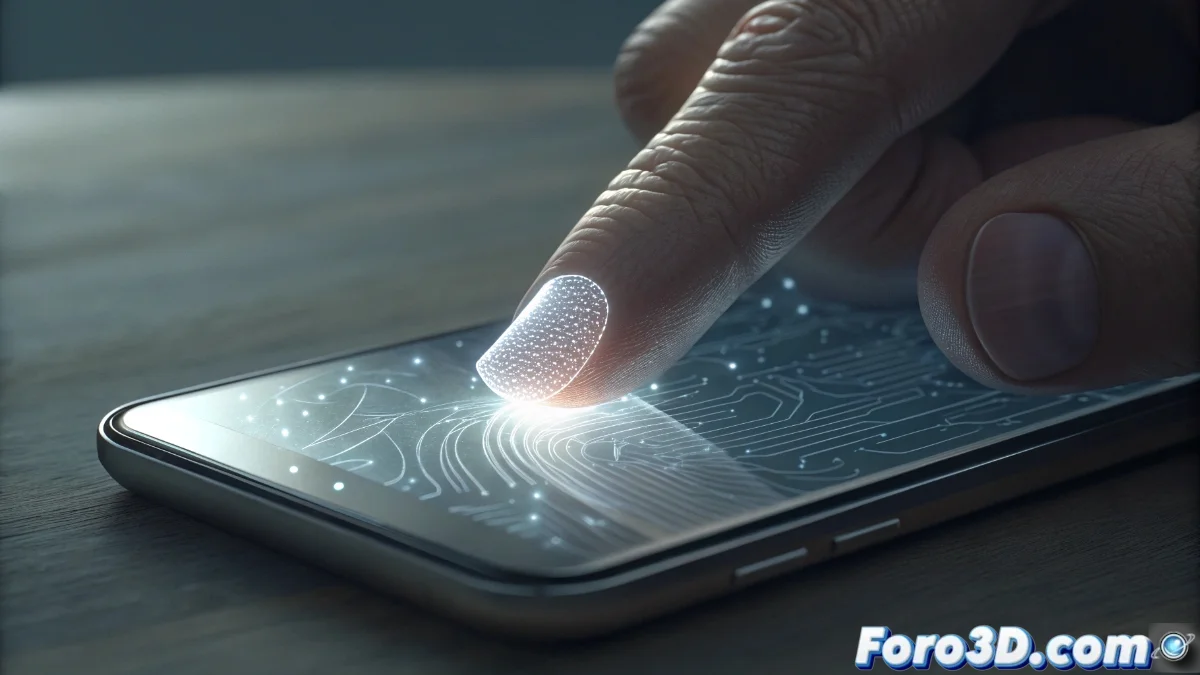
VoxeLite: the tactile patch that allows feeling textures on digital screens
The Northwestern University has presented a revolutionary device called VoxeLite, an ultrafine patch that adheres to the fingertip and enables experiencing tactile sensations through digital interfaces. This innovation represents a significant advance in the integration of the sense of touch in virtual environments 🎯.
Haptic operating mechanism
The system operates through a mesh of tactile pixels that modulate friction through variations in electrical tension. Each node acts as an independent transducer, increasing sliding resistance to simulate roughness or reducing it to create a sensation of smoothness. The technology reaches operating frequencies of 800 cycles per second, accurately replicating the spatial and temporal details that human skin detects in real textures 👆.
Main technical features:- Haptic node architecture with real-time response
- Ability to synchronize with the user's digital movement
- Faithful reproduction of microtextures and macrotextures
This development brings the digital experience closer to physical perception, eliminating barriers between the virtual and the tangible
Applications and implementation potential
With a weight of less than 1 gram and optimized flexibility, VoxeLite ergonomically adapts to the fingertip without interfering with natural interaction with devices such as smartphones or tablets. Its applications range from immersive video games to navigation systems for people with visual impairments, allowing exploration of maps and virtual surfaces with realistic tactile feedback 🌍.
Implementation areas:- Virtual and augmented reality experiences
- Accessible interfaces for users with reduced vision
- Virtual prototyping of materials and textures
Impact on the evolution of digital interfaces
VoxeLite marks a turning point in the way we interact with digital content, closing the sensory gap between the physical and virtual worlds. This technology not only enriches entertainment experiences but also opens new possibilities in education, telemedicine, and industrial design, where tactile perception is essential for complete and meaningful interaction ✨.