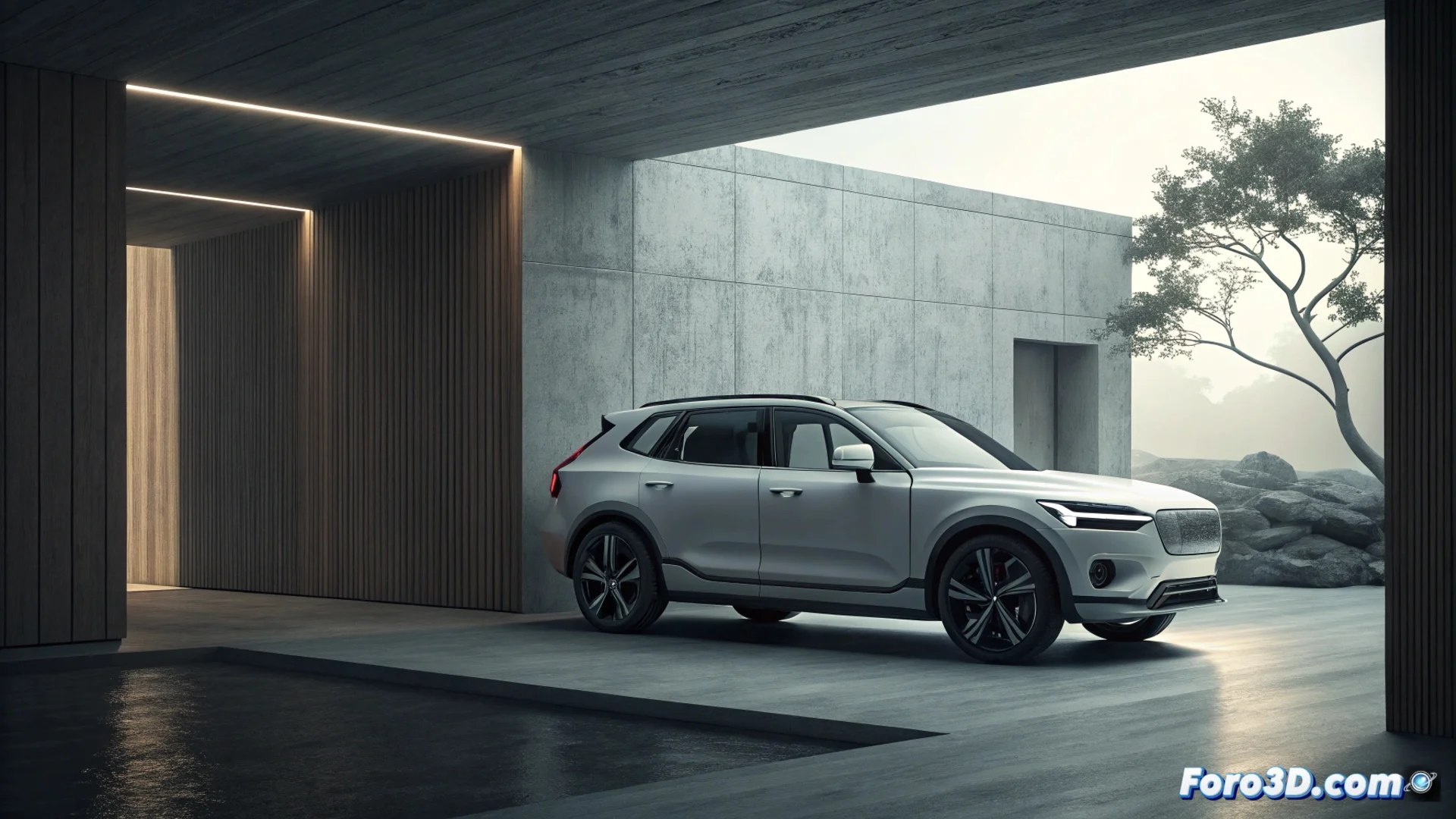
Volvo Expands Its Electric Range with Three New Models for 2026
The Swedish brand is accelerating its transition to zero-emission mobility by announcing the development of three electric vehicles that will arrive on the market in 2026. This decision directly responds to growing global demand and the company's environmental commitments, consolidating its offensive in a key segment. 🔌
Details of the New Vehicle Line
The expansion includes a mid-size SUV, which is positioned as the electric successor to the current XC60, along with two other automobiles that the company categorizes as family-type. Although official names have not been revealed, they are expected to follow Volvo's characteristic alphanumeric nomenclature. All will share the latest-generation modular electric platform from the Geely group, a strategy that allows optimizing resources and reducing costs.
Main Features of the New Models:- Mid-size SUV: Electric successor to the XC60, focused on combining space and efficiency.
- Family Models: Two vehicles designed to prioritize versatility and interior capacity.
- Shared Architecture: Based on the Geely platform to efficiently integrate cutting-edge technology.
Volvo describes the two additional models as "family-type," targeting a market that values practicality without giving up electrification.
Technological Innovation and Design
These future launches will incorporate the latest advances in battery cells, which will translate into greater usable range and significantly reduced charging times. The brand will also integrate as standard its advanced driver assistance systems and connectivity solutions, maintaining safety as an indisputable pillar. The aesthetic aspect will continue the line of contemporary Scandinavian design, with interiors that stand out for their spaciousness, use of sustainable materials, and a focus on comfort.
Key Technological Pillars:- New-Generation Batteries: To extend range and accelerate charging cycles.
- Assistance and Connectivity: Driver assistance systems and integrated digital platforms.
- Design Philosophy: Minimalist lines, spacious interiors, and use of eco-friendly materials.
Challenges and Future Outlook
The path to 2026 involves overcoming engineering challenges, such as