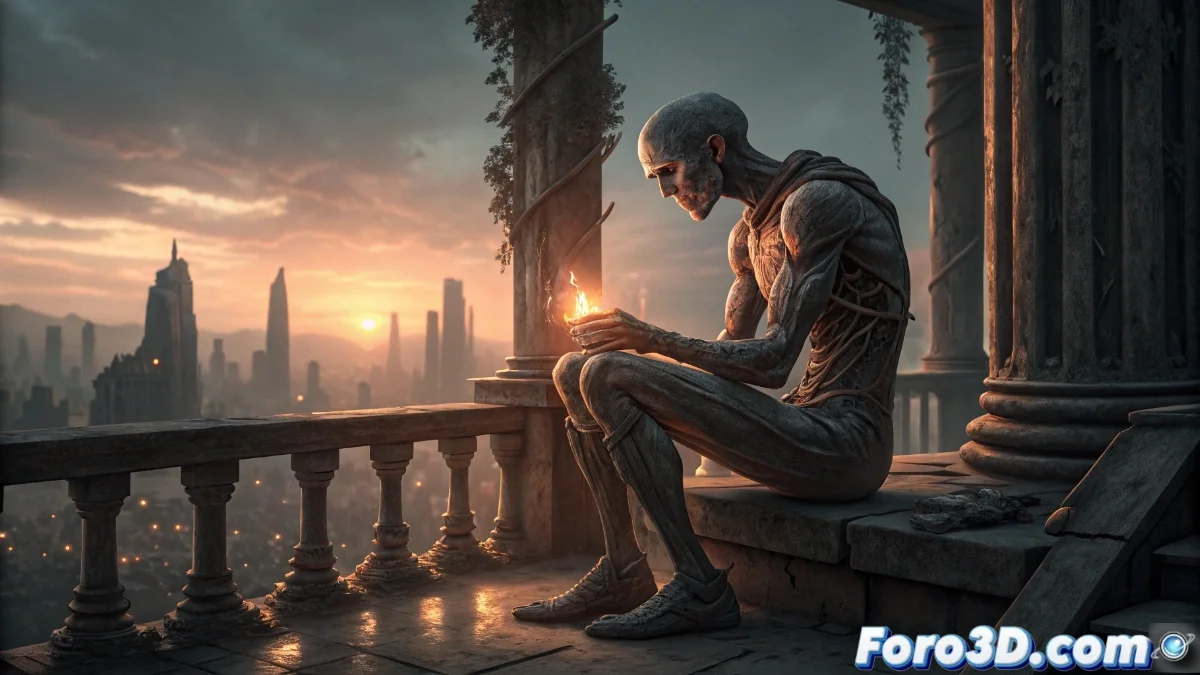
Visual Narrative in 3D Modeling: Beyond Technique
Three-dimensional art represents much more than mere modeling techniques, constituting a complete narrative language that communicates emotions and profound messages through carefully designed visual elements. 🎨
Characters with Narrative Soul
Virtual protagonists gain true dimension when every aspect of their design responds to a specific narrative intention. From wrinkles that betray a life of experiences to postures that reveal internal conflicts, every detail contributes to building a visual biography that emotionally connects with the viewer.
Key Narrative Elements in Characters:- Scars and marks that document stories of survival and battles
- Facial expressions that communicate complex emotional states
- Body postures that reveal personality and historical context
The real challenge is not rendering more polygons, but making those polygons convey something worth telling
Environments that Whisper Stories
Three-dimensional environments function as silent narrators that establish the emotional tone and context of each scene. A futuristic metropolis can speak of technological advancement and human isolation, while an ancestral forest evokes mystery and connection to the primitive.
Narrative Resources in Environments:- Visual composition that guides the gaze toward significant elements
- Color palettes that establish specific emotional atmospheres
- Cinematic lighting that adds layers of meaning and emotion
The Essence of Purposeful Modeling
Three-dimensional creation reaches its maximum expression when it transcends the purely aesthetic to become a vehicle of communication. The combination of characters with psychological depth and environments loaded with meaning creates visual experiences that remain in the memory, demonstrating that true technical mastery always serves a broader narrative vision. ✨