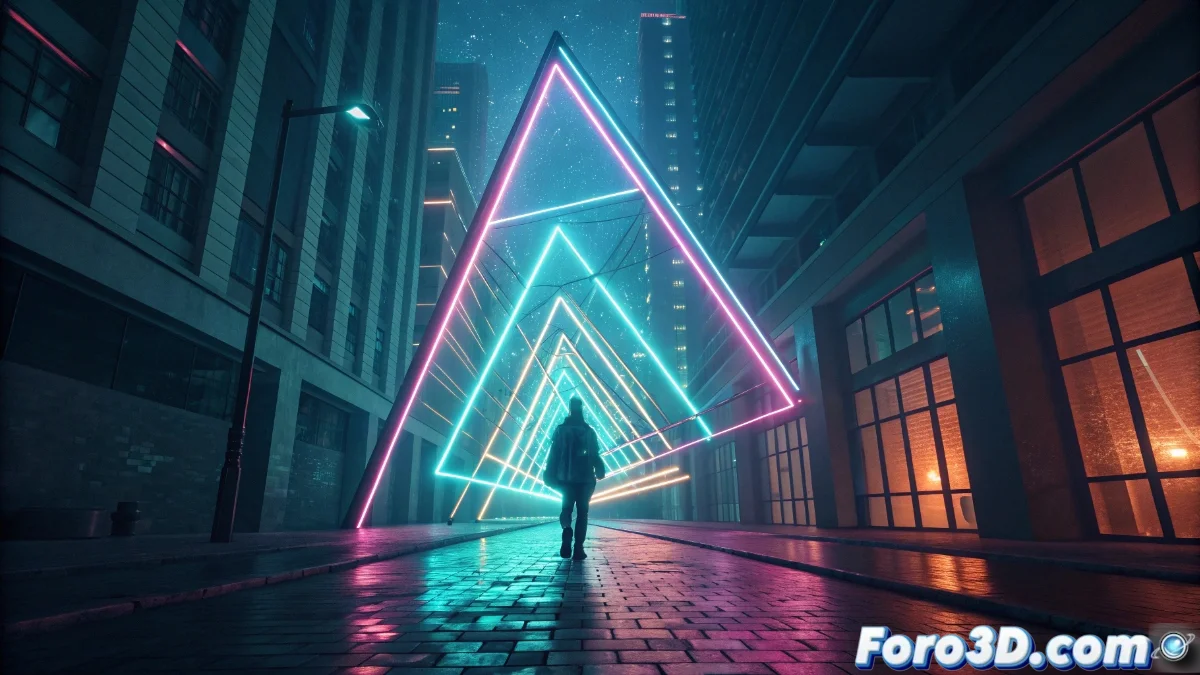
Visual Distortion in Contemporary Graphic Design
Visual distortion techniques have evolved from experimental resources to become fundamental elements of the modern visual language. Creative blur, glitch effects, and geometric deformations allow for the expression of complex concepts that conventional design can hardly capture with the same emotional intensity. 🎨
The Psychological Power of Controlled Disorientation
When our brain encounters unexpected visual stimuli, it activates more intense processing mechanisms than with organized information. This additional cognitive load can be strategically channeled to generate greater visual engagement, especially effective with younger audiences who value aesthetic innovation. Calculated disorientation conveys sensations of modernity, rupture, and dynamism that resonate deeply with the contemporary viewer.
Key Aspects of Effective Distortion:- Activation of specific psychological responses through unconventional visual stimuli
- Increased viewer attention span thanks to intensified cognitive processing
- Emotional connection with target audiences seeking groundbreaking visual experiences
The true mastery in using distortion effects lies in finding the exact point where visual innovation enhances the message without obscuring it.
Technical Implementation and Practical Considerations
In the professional field, applying these effects requires specialized software such as After Effects, Blender, or TouchDesigner, where each distortion parameter can be adjusted with millimeter precision. Adequate dosage makes the difference between an impactful result and a confusing one - a brief glitch on specific elements can be memorable, while an excess of deformations can make visual communication unintelligible.
Essential Technical Recommendations:- Meticulous control of parameters using specialized software tools
- Usability tests with real users to evaluate tolerance for distortion
- Constant balance between artistic intent and clarity of the main message
The Paradox of Deliberate Distortion
There is a fascinating inherent contradiction in how we value visual distortion depending on the context. While in design projects we pay to carefully incorporate these effects, in everyday life we would do anything to eliminate similar imperfections from our visual experience. This paradox underscores the artistic and contextual nature of these techniques, demonstrating that their value lies entirely in intentionality and the framework of application. ✨