When Blender Saves More Lives Than a Scalpel
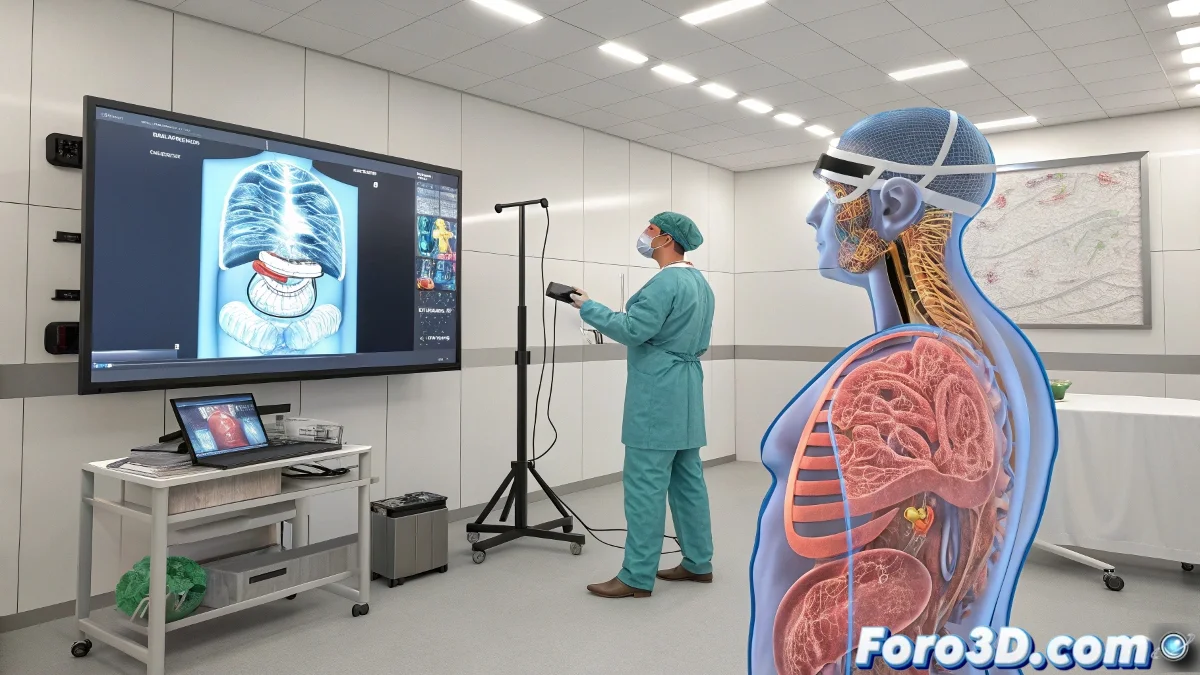
ADEMA School and Son Espases have created what every surgical resident needs: a patient that doesn't die when you make a mistake 💉. Thanks to this 3D simulator, doctors can practice to perfection... while their GPUs suffer rendering every layer of tissue.
Technology That Feels (Literally)
This innovative system combines:
- Ultra-realistic anatomy: 3D models based on real scans with textures that would make a pathologist cry
- Tissue physics: From the hardness of a tumor to the elasticity of a healthy intestine
- Haptic feedback: To feel when you cut too deep (without the drama of real bleeding)
"In virtual surgery, the only anaphylactic shock is when you close Blender without saving" - confesses a resident after 8 hours of practice.
Advantages That Cut Sharper Than a Laser
Why this technology makes the difference:
- Allows repeating complex procedures until mastered
- Reduces stress in first real surgeries
- Customizable for different cases and anatomies
- More economical (and ethical) than learning with cadavers
Bonus: includes "worst possible scenario" mode to prepare for complications... without putting anyone at risk.
The Irony of the Digital Operating Room
While surgeons perfect their steady hand, our computers suffer convulsions rendering bodily fluids. The true triumph will be when the simulation is so realistic that doctors need a virtual mask against the smell. 🖥️
So go ahead: model those organs with love. Because in this 3D operating room, the only patient that doesn't survive is the one that crashes before autosave.