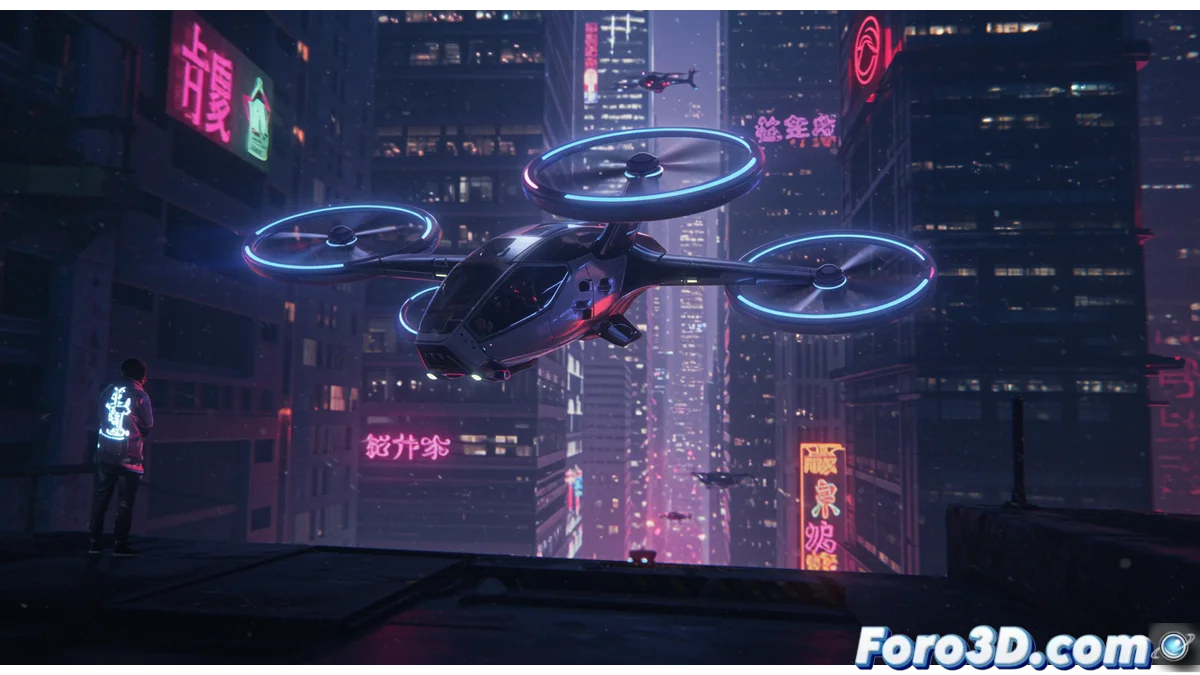
Vertical Takeoff Electric Planes Revolutionizing Urban Mobility
Urban aerial mobility is undergoing a radical transformation with the emergence of eVTOL (electric Vertical Take-Off and Landing) vehicles, which combine the versatility of helicopters with the sustainability of electric propulsion. 🚁⚡
Reinventing Urban Transportation with Air Taxis
These innovative aircraft are specifically designed to operate in metropolitan environments, using distributed multiple rotor systems that enable precise vertical maneuvers and smooth transitions to horizontal flight. The fully electric propulsion not only eliminates direct carbon emissions but also drastically reduces noise pollution, a crucial factor for public acceptance.
Main advantages of eVTOLs:- Ability to operate without the need for traditional runways
- 100% reduction in polluting emissions during flight
- Noise levels up to 80% lower than conventional helicopters
The integration of these vehicles with mobile applications will create an aerial transportation ecosystem as accessible as current ground ride-hailing services
Technological and Operational Challenges
The large-scale implementation of this disruptive technology faces significant obstacles on multiple fronts. Current battery systems have limitations in energy density that restrict range, while the charging infrastructure requires massive developments to support commercial fleets.
Critical challenges for mass adoption:- Regulatory certification and aeronautical safety standards
- Development of vertiports and ultra-fast charging stations
- Safe integration into congested urban airspace
The Future of Urban Aerial Mobility
Pioneering companies like Joby Aviation, Lilium, and Volocopter are developing fleets capable of transporting between 2 and 6 passengers over distances of up to 250 kilometers, promising to drastically reduce travel times in congested cities. However, the futuristic vision could face new complications such as air congestion and dynamic pricing during peak hours, potentially transforming urban skies into new spaces of competition for mobility. 🌆✈️