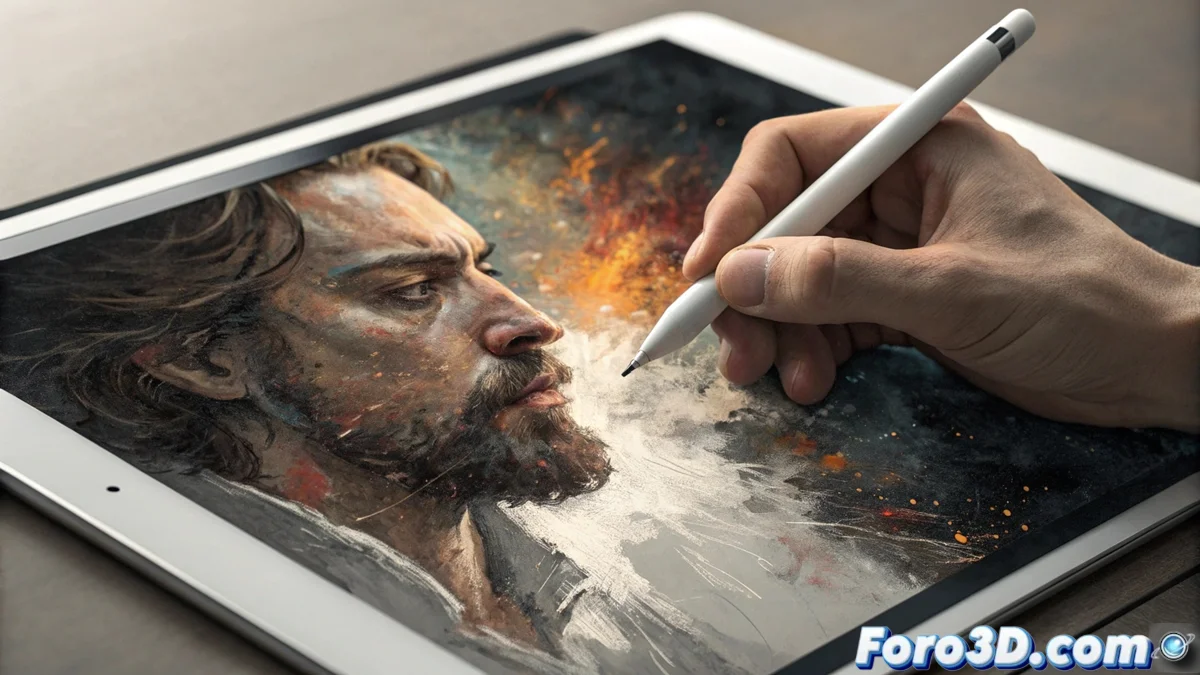
Variable Digital Brush Sketching Technique to Break Rigidity
In digital illustration, facing a blank page can be intimidating. A powerful strategy to overcome this block is to use a digital brush that intentionally alters its shape, texture, and behavior in an unpredictable way. This approach generates a creative dialogue between the artist and chance, transforming the sketching process into an active discovery. 🎨
Setting Up the Chaos Engine: Brush Parameters
The foundation of this technique lies in customizing a brush within your favorite painting software. The goal is not absolute disorder, but directed randomness that mimics the richness of physical tools. The aim is for each stroke to contain organic variations that break the monotony and excessive precision of default brushes.
Key Parameters to Modify:- Dynamic Dispersion and Rotation: Adjust these values so the brush tip shape scatters and rotates unpredictably, linking it to pen pressure or stroke speed.
- Texture and Opacity Transfer: Enable random variation in how the brush texture and paint transparency are applied, creating strokes with natural spots and gaps.
- Starting Point: Modify a base charcoal, watercolor, or oil brush, exaggerating its instability settings to achieve the desired effect.
The goal is not total disorder, but controlled randomness that adds organic richness to every line.
The Discovery Phase: Sketching with Chaos
With the brush set up, the first stage consists of drawing freely without a defined plan. The marks that appear—often called "happy accidents"—are unpredictable. These unexpected shapes force your mind to interpret silhouettes, volumes, or gestures that you wouldn't have consciously devised with a polished tool. This step only requires gesture and movement, freeing you from the pressure for immediate precision.
Refine and Build on the Unexpected
The second phase is critical: refine the chaos to define the artwork. Here, switch to a more defined and opaque brush to analyze the initial sketch. Identify the most interesting spots and lines and trace over them decisively, isolating useful shapes and discarding visual noise.
Steps for Refinement:- Analyze and Interpret: Observe the chaotic sketch and look for characters, objects, landscapes, or compositional rhythms that have emerged spontaneously.
- Isolate Decisively: Use firm, clear strokes to outline and strengthen the shapes you want to keep, defining contours and volumes.
- Know When to Stop: The real challenge is not clinging to the initial disorder. You must recognize the moment to stop exploring and start building the piece with firm intention and structure.
Conclusion: From Chance to Intention
This variable brush sketching technique is more than a technical trick; it is a work philosophy that accelerates ideation and combats creative block. By embracing the unpredictable in the early stages, unique compositional solutions are generated. The process becomes a collaboration between initial randomness and final artistic direction, resulting in illustrations with a vitality and organic quality difficult to achieve with fully controlled methods. ✨