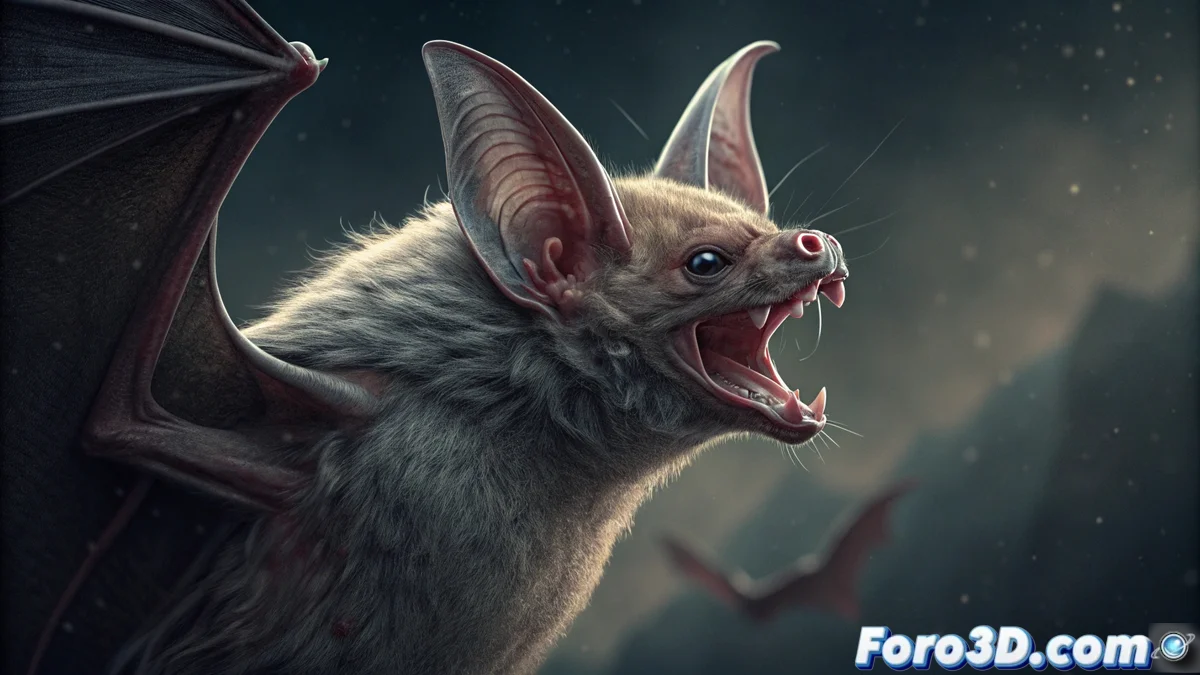
Vampire Bats Can Transmit the H5N1 Bird Flu Virus
A recent study has confirmed that common vampire bats can harbor and spread the highly pathogenic H5N1 strain of bird flu. This finding points to a new risk, as these mammals could serve as an additional reservoir for the virus, with implications for global health. 🦇
The Virus Replicates Without Causing Severe Disease
The study, published in the journal Emerging Infectious Diseases, details that H5N1 can multiply inside vampire bats without causing severe symptoms. This ability allows the virus to spread silently within a mammal population, a scenario previously considered unlikely for this specific strain.
Key Details from the Laboratory Experiment:- Scientists infected a group of vampire bats in a controlled biosafety environment.
- They observed that the animals excreted active virus in their oral and fecal secretions.
- They demonstrated that infected bats could transmit the virus to other healthy individuals housed in the same cage.
This finding is crucial because it indicates that H5N1 can maintain a transmission cycle within a mammal population.
Expand Epidemiological Surveillance
This discovery extends the list of species that can disseminate H5N1, a virus linked to devastating outbreaks in birds. Now, surveillance programs must also include hematophagous bats, especially in areas where they coexist with poultry farms.
Main Implications for Risk Assessment:- Understanding how the virus adapts to mammals is essential to anticipate threats.
- There is a risk that a variant with greater potential to affect humans could emerge.
- These mammals need to be actively monitored to prevent possible species jumps.
A Modern Twist for a Classic Reservoir
The traditional image of the blood-sucking vampire now carries a contemporary health warning. This study highlights the complexity of viral transmission cycles and the need to monitor all possible animal reservoirs to protect public and animal health. 🩸