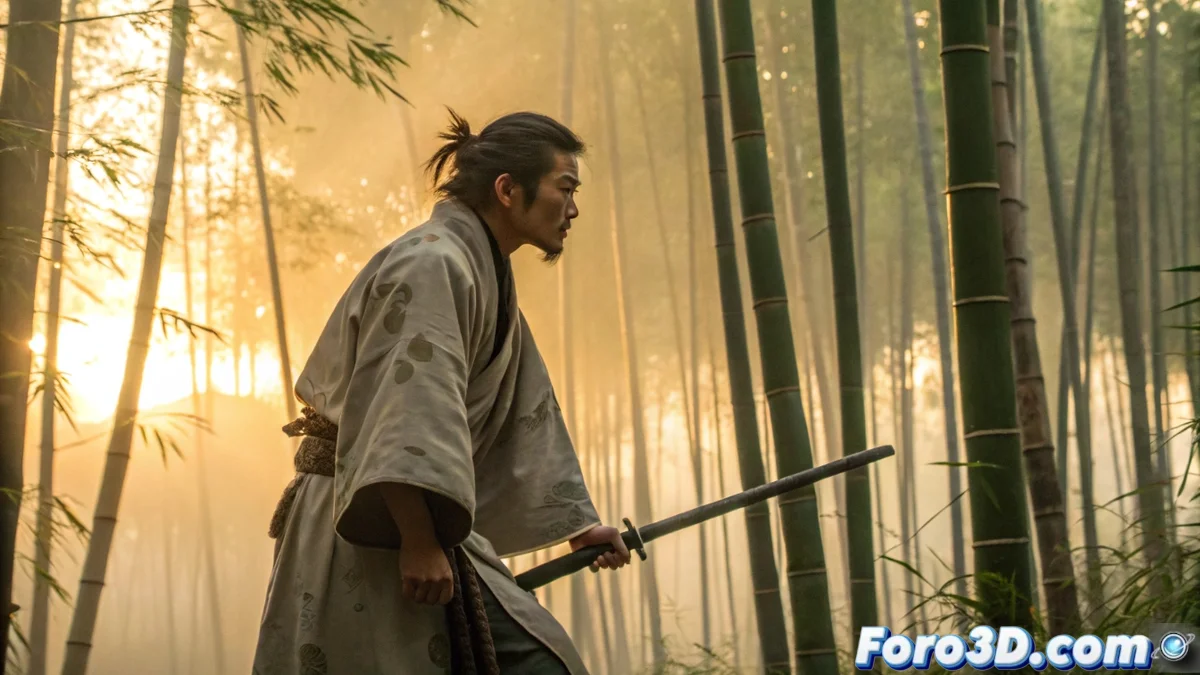
Vagabond: the spiritual journey of Miyamoto Musashi in manga
Takehiko Inoue transports us to feudal Japan through a narrative that combines epic action with profound philosophical introspection. The work follows Musashi's metamorphosis from his rebellious youth to becoming a martial reference, exploring universal themes about the purpose of existence 🗡️.
The art that redefines historical manga
The visual style of Vagabond marks a before and after in the industry, integrating techniques of traditional Japanese painting with striking realism. Each panel conveys emotions through organic strokes and dynamic compositions that capture the essence of each moment.
Highlighted elements of the art:- Masterful use of sumi-e ink to create immersive atmospheres
- Hyperrealistic facial expressions that reflect internal conflicts
- Combat choreographies that convey tension and fluid movement
True mastery does not lie in defeating others, but in conquering oneself.
The warrior's transformation
Musashi evolves from unconscious brutality toward the search for enlightenment, a path marked by encounters with key figures like Sasaki Kojiro. These characters provide unique perspectives that enrich his spiritual and martial development.
Key aspects of his evolution:- Transition from physical strength to mental self-mastery
- Influence of Buddhist teachings and martial principles
- Integration of physical discipline with inner growth
Contemporary reflection
The work invites us to question our own struggles by contrasting Musashi's extreme training with modern comforts. A lesson on perseverance and self-improvement that transcends eras and cultures 🌅.