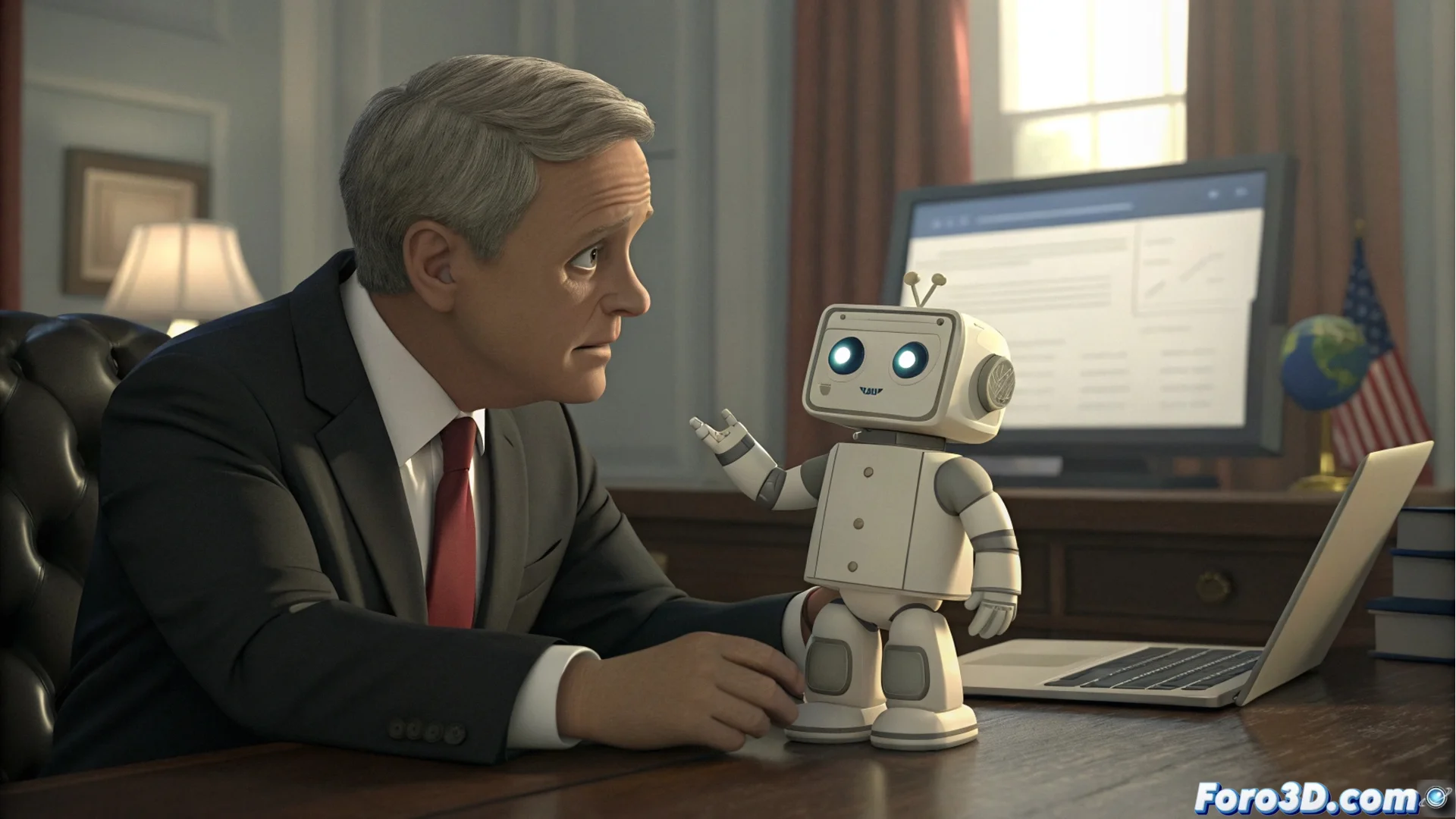
US Senators Question AI Toys That Talk to Children
A bipartisan initiative in the United States Senate is focusing on an emerging risk: interactive toys that integrate advanced artificial intelligence without sufficient safeguards. Legislators Marsha Blackburn (Republican) and Richard Blumenthal (Democrat) have sent a formal letter to several manufacturing companies, demanding explanations. 🧸⚠️
The toy's technology generates unpredictable dialogues
The devices in question are marketed to the child public but incorporate chatbots based on models like GPT-4o. These systems are trained with massive internet data, which can lead them to generate unsafe responses for children. The senators cite cases where the toys talked about sexual fetishes, instructed on how to light a match, or indicated where to find knives in a house. The fact that politicians from opposing parties have joined together underscores the seriousness they perceive.
Key points of the investigation:- AI toys lack appropriate content filters for minors.
- The underlying language models were not originally designed to interact with children.
- There is concern about what personal data these devices collect from child users.
The classic question "are you talking to me?" from a child to their doll now has a new and concerning dimension for parents and the Capitol.
An extended deadline for comprehensive responses
The letter is not a mere warning, but a formal request with consequences. Blackburn and Blumenthal request specific technical details on how the companies design, monitor, and protect users of their products. The response deadline was set for January 6, 2026, a distant date that suggests they expect in-depth analyses and not mere public statements.
Specific areas that companies must clarify:- Mechanisms to filter and block inappropriate conversations.
- Policies on collecting and storing children's voice or interaction data.
- Physical and digital security measures implemented in the devices.
A possible prelude to new legislation
This Senate move could be the first step toward proposing laws that specifically regulate the use of artificial intelligence in products for children. The action seeks to hold the industry accountable and establish clear safety standards before AI toys become more popular. The outcome of this investigation could shape the future of how conversational technology interacts with the youngest. 🏛️🤖