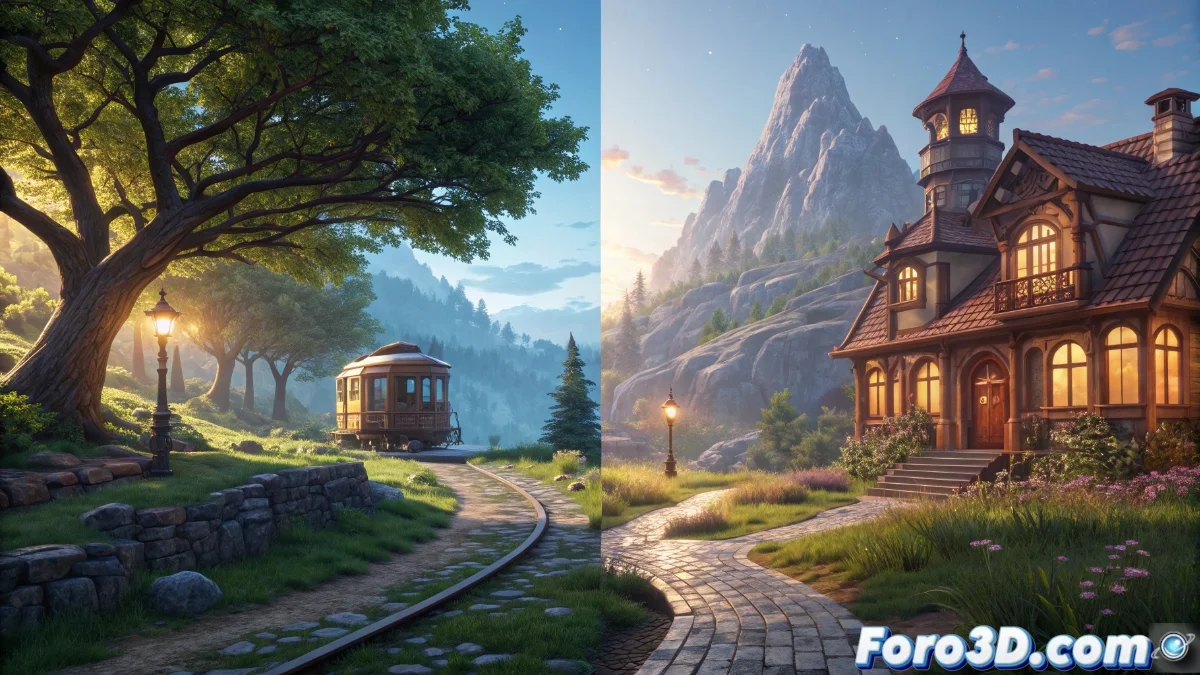
Unreal Engine vs Godot: game engine comparison
In the universe of video game development, choosing the right engine can make the difference between a successful project and one that gets left behind. Two giants face off in this arena: Unreal Engine and Godot, each with distinctive philosophies and capabilities that meet specific needs of creators and studios. 🎮
Graphical power vs accessibility
While Unreal Engine specializes in producing ultra-high-quality graphics with cutting-edge technologies like Nanite and Lumen, Godot focuses on offering an agile and accessible development experience thanks to its open-source nature and lightweight architecture. Both include complete tool suites for rendering, physics, scripting, and animation, but their approaches diverge radically in implementation and goals. 💡
Key features of Unreal Engine:- AAA-level graphics with extreme realism capabilities through advanced lighting and virtual geometry systems
- Main language C++ combined with Blueprints for visual development without intensive programming
- High technical requirements and steeper learning curve, ideal for established studios
"Choosing between Unreal Engine and Godot is like deciding between a Ferrari and a compact car: one takes you at the speed of light with style, the other ensures you arrive without losing parts along the way"
Godot's flexibility and practical approach
The Godot engine shines in independent projects and agile developments thanks to its modular architecture and intuitive scene and node-based system. Its native language GDScript (similar to Python) and support for C# make it accessible to programmers from diverse backgrounds, while its dedicated 2D engine offers exceptional performance for 2D games. 🚀
Main advantages of Godot:- Lightweight open-source architecture that allows total customization and adaptation
- Scene and node system that facilitates organization and rapid project prototyping
- Moderate technical requirements and gentle learning curve, perfect for small teams or beginners
Which one to choose for your next project?
The final decision between Unreal Engine and Godot fundamentally depends on the type of project, available resources, and visual objectives. For visually stunning experiences with abundant technical resources, Unreal offers an unparalleled professional ecosystem. For agile developments, rapid prototypes, or 2D projects with limited resources, Godot presents a robust and tremendously flexible alternative. The key is to honestly evaluate the team's capabilities and the project's ambitions before committing to any engine. 🏆