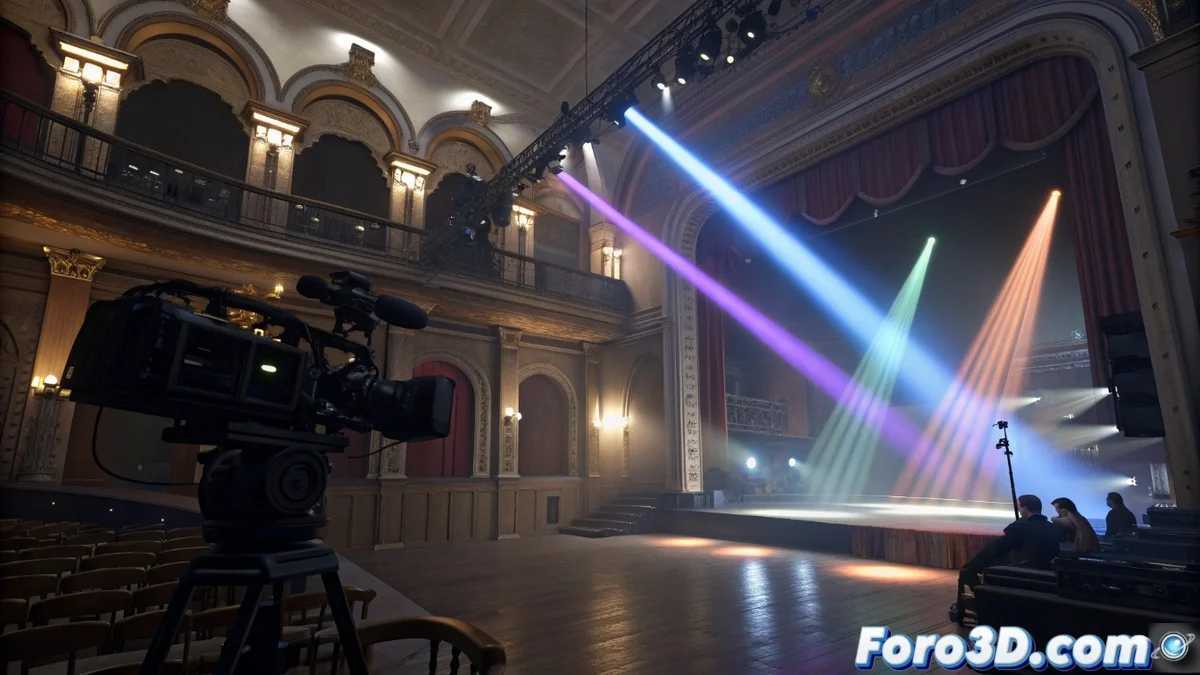
Unreal Engine in Virtual Scenography and DMX Control
The entertainment and events industry has found in Unreal Engine an indispensable ally to transform traditional scenic design. This platform allows creating detailed virtual replicas of real spaces, facilitating experimentation with lighting, angles, and composition without incurring costs for physical prototypes. 🎭
Advanced Integration with DMX Systems
The connection between Unreal Engine and DMX controllers marks a milestone for lighting designers. This symbiosis allows programming complex effects directly in the digital environment, adjusting parameters such as intensity, color, and movement with absolute precision. The bidirectional synchronization exports configurations to physical equipment, eliminating reprogramming during technical rehearsals. The engine processes lighting interactions with materials in real time, revealing reflections and shadows that previously only existed in sketches. 💡
Key Advantages of DMX Integration:- Millimetric control of professional spotlights from the virtual environment
- Immediate visualization of lighting atmospheres over different textures
- Direct export of settings to physical equipment without reprocessing
Virtualization allows making all mistakes in the digital world before investing in real materials, ensuring that the only surprises on stage are intentional.
Optimization of Creative and Technical Workflow
Directors and scenographers collaborate in shared virtual spaces, testing scenic configurations free from physical limitations. The ability to save multiple versions streamlines option comparison, while measurement tools ensure every element fits real dimensions. Real-time renders instantly show every shot from various angles, allowing refinements in furniture and accessory placement with unattainable detail in physical models. 🖥️
Benefits of the Optimized Process:- Simultaneous collaboration between creative and technical teams
- Exact preview of camera perspectives and scenic composition
- Drastic cost reduction by eliminating physical prototypes
Impact on the Scenic Industry
This technological revolution not only optimizes resources but redefines the limits of creativity. Designers can explore physically impossible scenarios, while ensuring every element meets technical specifications before production. The ability to preview final results with photorealistic fidelity makes Unreal Engine the definitive tool for those seeking scenic perfection without compromises. 🌟