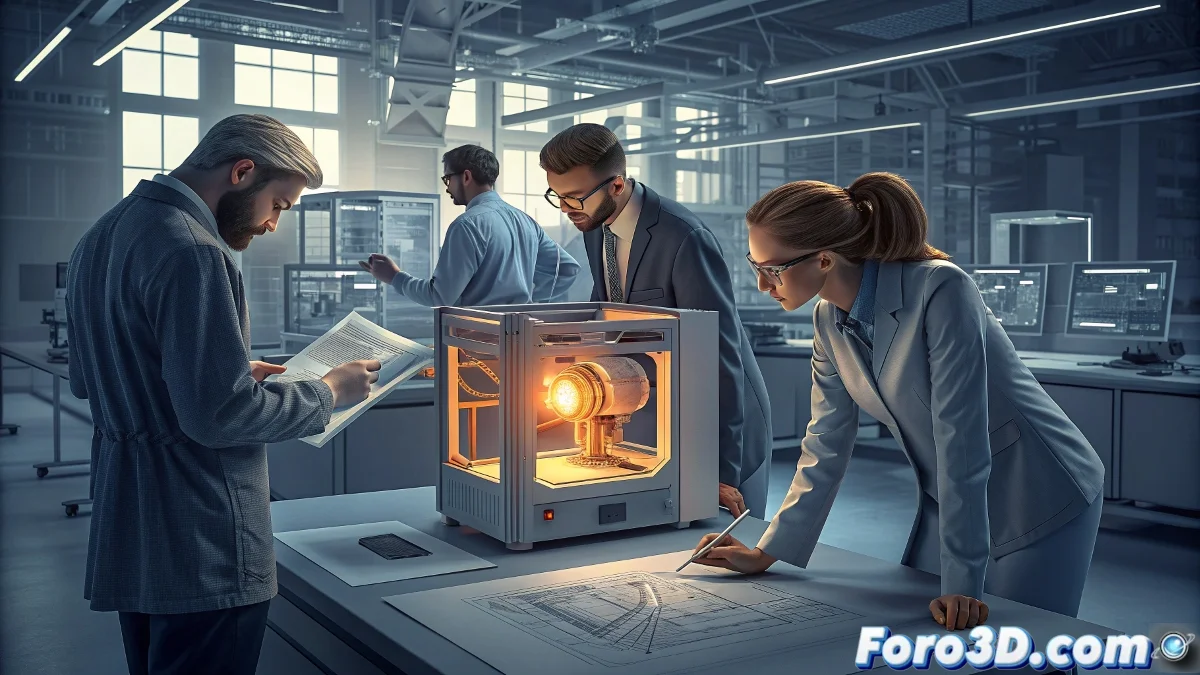
United States and the European Union Join Forces to Standardize Additive Manufacturing
In a historic milestone for the digital manufacturing industry, the two largest technological powers in the Western world have announced a strategic alliance aimed at revolutionizing global 3D printing standards. This unprecedented collaboration seeks to create a unified ecosystem that overcomes current technical barriers between continents, establishing common protocols that will ensure the quality and compatibility of additively manufactured products 🌍.
Unification of Technical Protocols
The standardization teams from both blocs are intensively working on developing harmonized technical specifications for the main additive manufacturing technologies. This joint effort includes the creation of a mutually recognized certification system that will allow components to be validated on both sides of the Atlantic without the need for repeated testing, significantly streamlining industrial homologation processes.
Main Areas of Standardization:- Unified protocols for high-performance 3D printing materials
- Common standards in manufacturing processes with metals and polymers
- Interoperable quality control systems between continents
This collaboration represents the greatest advance in industrial standardization since the creation of ISO quality systems - Dr. Elena Müller, European project coordinator
Transcontinental Professional Training
In parallel with technical harmonization, joint educational programs have been designed to train the next generation of additive manufacturing specialists. These initiatives include international professional certifications and exchange programs that will facilitate labor mobility between American and European institutions.
Key Components of the Training Program:- Development of shared curricula for operators of advanced systems
- Internationally recognized professional certifications
- Mobility programs for students and qualified workers
Impact on the Global Industry
This technical and training convergence will not only eliminate current barriers that hinder interoperability but will also create a truly global market for additive manufacturing. Strategic sectors such as aeronautics, automotive, and medicine will benefit from accelerated homologation processes and a highly skilled workforce capable of operating in globalized production environments 🚀.