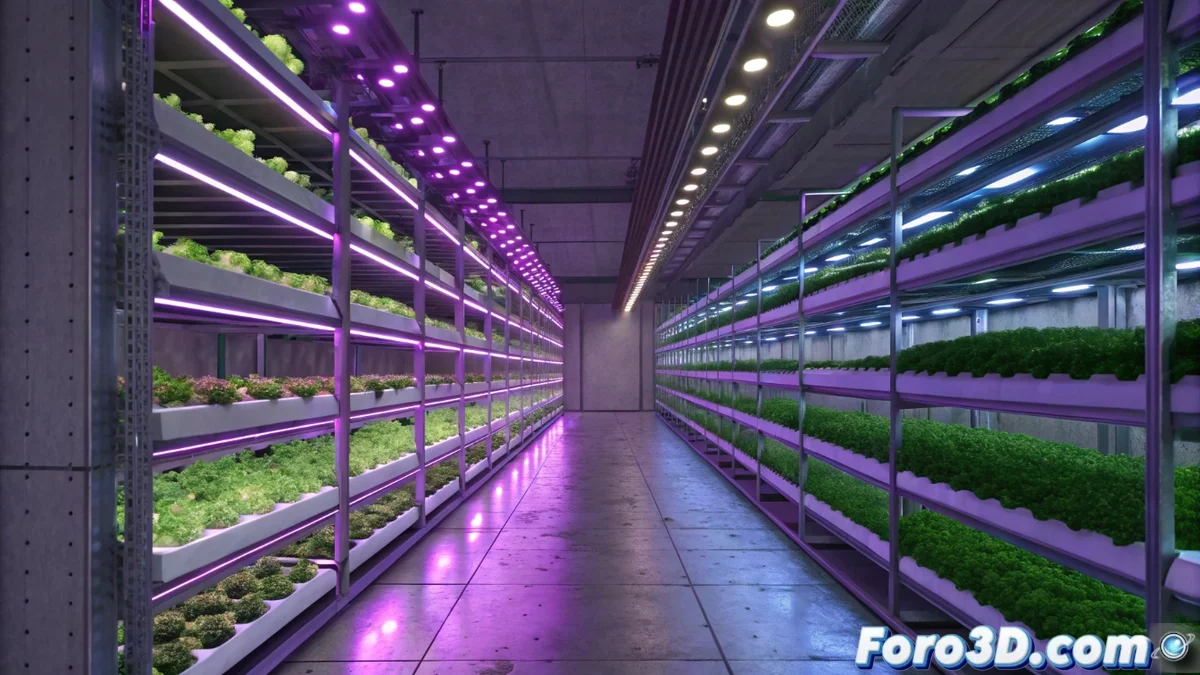
Underground Vertical Farming Transforming Abandoned Spaces
Abandoned underground spaces such as bunkers and tunnels are being repurposed into high-efficiency farms using vertical farming techniques. This innovation utilizes advanced LED technologies and hydroponic systems that enable year-round food production without relying on external weather conditions 🌱.
Strategic Benefits of Underground Crops
Underground environments offer unique advantages for modern agriculture, including precise environmental control of temperature and humidity that accelerates plant growth. The absence of pests drastically reduces pesticide use, while the proximity to urban centers shortens distribution chains, ensuring ultra-fresh products.
Key Advantages:- Water consumption reduced by up to 95% compared to traditional agriculture
- Reuse of existing infrastructure minimizing initial costs
- Sustainable local production in both urban and rural areas
From apocalyptic shelters to food saviors: bunkers now grow salads instead of storing weapons
Technologies Implemented in Underground Farms
Comprehensive automation combines IoT sensors for continuous monitoring, water recirculation systems, and programmable LED lighting that emulates natural solar cycles. Specialized software automatically manages nutrients and environmental parameters, maximizing yield per cubic meter in these vertical facilities.
Adaptable Crops:- Leafy greens like lettuces and spinach
- Aromatic and medicinal herbs
- Fast-cycle fruits like strawberries and cherry tomatoes
Future of Underground Food Production
This agricultural revolution represents a sustainable and scalable solution to global food challenges, transforming obsolete infrastructure into efficient production centers. The combination of advanced environmental control and proximity to consumer markets establishes a new paradigm in local food production 🥗.