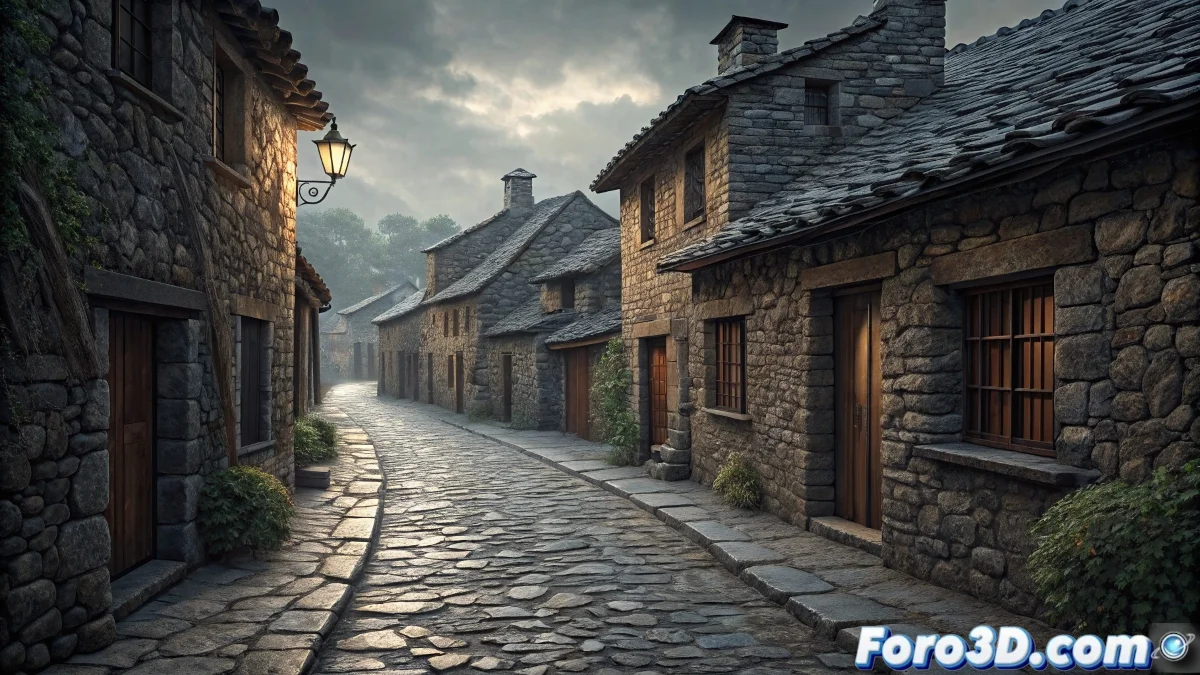
Umbralejo: the petrous memory of the mountains
Nestled on the slopes of the Ayllón mountains in Guadalajara, Umbralejo is a village that seems to have resisted the passage of time. Abandoned during the rural exodus and later recovered as an environmental education center, this village is a perfect example of black architecture from the mountains. Its constructions of slate and quartzite, with steep roofs and thick walls, blend into the landscape as if they had sprouted from the earth itself. Visitors claim that here the hours pass differently, and in the silence, they can still hear the echoes of ancient peasant customs. 🏘️
The poetry of black architecture
What makes Umbralejo unique is not only its state of preservation, but the absolute harmony between the built environment and the natural one. Black architecture, so named for the dark color of the local slate, responds to a logic of survival and resource utilization. The thick walls retain heat in winter and coolness in summer, while the sloped roofs efficiently shed snow. This symbiosis between need and beauty creates an organic aesthetic that Lightscape is particularly capable of capturing thanks to its treatment of natural light.
Recreating the essence of Umbralejo in Lightscape
Capturing the unique atmosphere of this village requires special attention to the local materials and the quality of the mountain light. Lightscape, with its radiosity engine, allows for precise simulation of how light interacts with the stone surfaces and creates that timeless atmosphere.
Model preparation and base materials
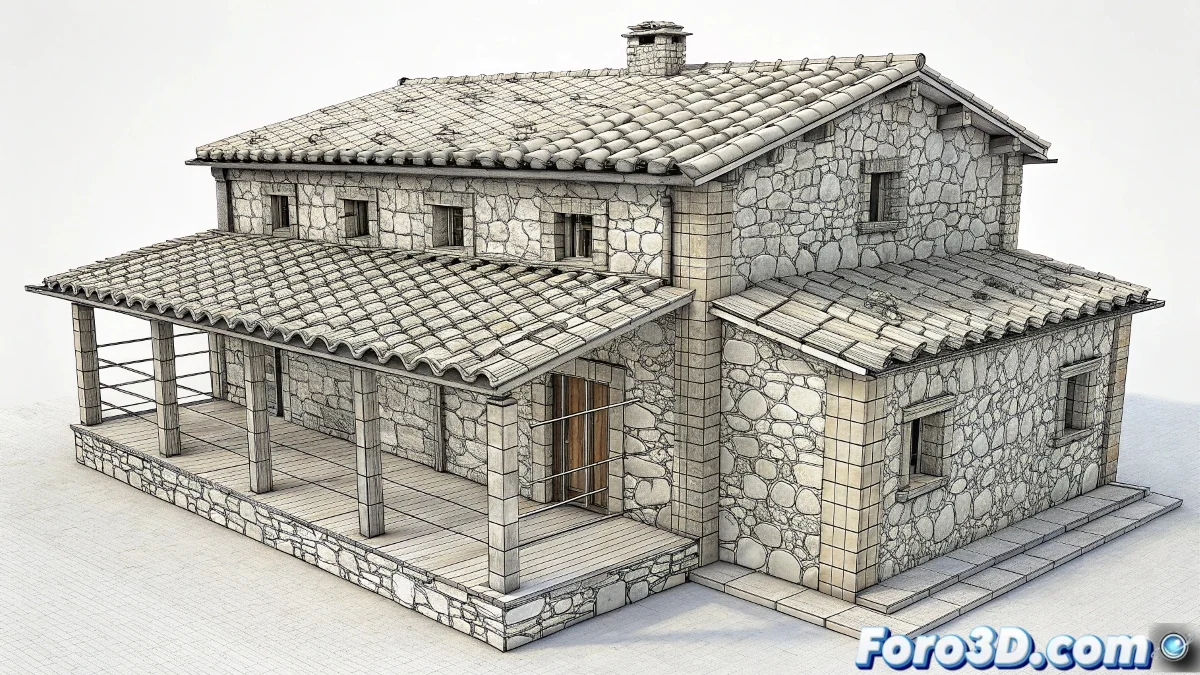
Start by importing or modeling the basic structures of the village: simple volumes for the houses with pronounced gable roofs. Assign the base materials by defining the properties of slate for the roofs and stone for the walls. In Lightscape, set the diffuse reflectivity of slate around 15-20% and that of stone between 25-30%. Use high-resolution photographic textures of these authentic materials from the Guadalajara mountains.
Main materials to configure:- black slate for roofs and eaves
- quartzite stone for walls and facades
- aged wood for doors and windows
- compacted earth for streets and paths
Natural lighting setup
Define a sunlight with parameters that simulate a spring or autumn day, seasons when the light best highlights the texture of black architecture. Set the sun position with a medium-low angle to create elongated shadows that accentuate the volume of the buildings. Adjust the solar intensity between 35,000 and 45,000 lux, depending on the time of day you want to represent. The light direction should strike laterally on the facades to maximize the play of light and shadow.
In Lightscape, patience during the radiosity process is rewarded with a luminous realism that's hard to match.
Radiosity process and material adjustments
Start the radiosity process with an initial medium quality to evaluate the light distribution. Pay special attention to how light filters between the buildings and illuminates the narrow streets typical of the village. Once the first pass is complete, adjust the materials according to the results: slightly increase the reflectivity of surfaces that receive little indirect light and reduce it for those that appear too bright. North-facing facades should show cooler, more diffuse lighting.
Key parameters for radiosity:- initial quality level at 3 or 4
- meshing parameters adapted to the scale
- consider multiple diffuse reflections
- adjust refinement levels by material
Final render and post-production
Once satisfied with the radiosity result, set up the final render with antialiasing enabled and a resolution appropriate for the image's purpose. To enhance the sense of timelessness, render with a slightly warm white balance. In post-production, add subtle vignetting to direct the gaze toward the center of the village and slightly adjust the saturation so that the tones of the stone and slate are the protagonists. 🪨
Final adjustments for the atmosphere:- moderate contrast for textures
- reduced saturation in cool tones
- controlled brightness in visual impact areas
- slightly warm color temperature
At the end, you'll have not only an architectural visualization, but a window into a world where time decided to take a break, although the render did take its time. ⏳