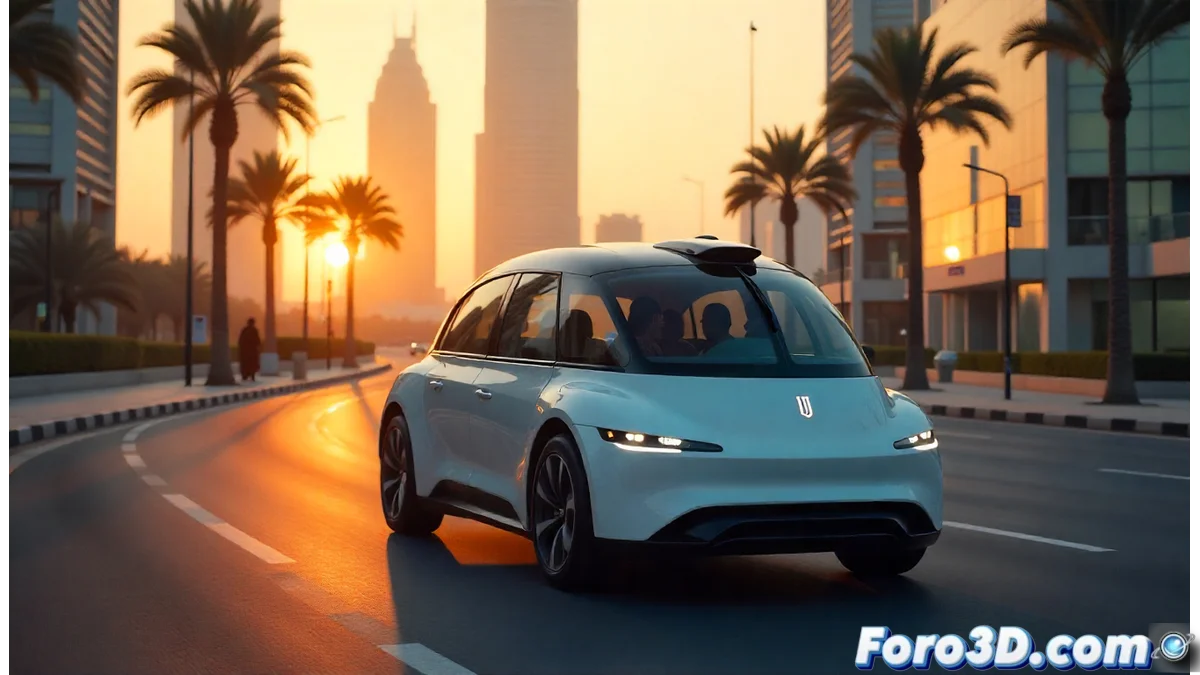
Uber Launches Autonomous Taxis in the United Arab Emirates
The company Uber has taken a transcendental leap in the field of autonomous mobility by implementing a fleet of driverless vehicles on its taxi platform within the United Arab Emirates. This advancement allows passengers to request rides in cars that operate without human intervention, setting a precedent in the region 🚗.
Technology and Safety Protocols in Autonomous Driving
Uber's autonomous cars integrate lidar, high-definition cameras, and radars systems that analyze the environment in real time to avoid obstacles and comply with traffic rules. Safety is a fundamental pillar, with redundancy in key components that ensure a controlled stop in the event of any incident. Uber closely collaborates with authorities to validate each implementation phase through exhaustive testing.
Main Technical Features:- Precise detection through lidar sensors that continuously scan the environment
- High-resolution cameras for recognition of signs and pedestrians
- Backup systems that guarantee safety in case of technical failures
Autonomous mobility not only redefines transportation but also drives innovation in emerging markets.
Impact on Mobility and Future Projections
This initiative contributes to transport efficiency, reduces vehicle congestion and polluting emissions, aligning with the United Arab Emirates' sustainability goals. Users can access the service through the Uber app, with competitive fares that promote technological accessibility. Uber plans to extend this model to other cities in the region, using collected data to optimize routes and reduce waiting times.
Key Advantages of the Expansion:- Reduction of traffic congestion in urban areas
- Decrease in carbon emissions by promoting efficient vehicles
- Possibility of replicating the service in emerging markets with high demand
Social Adaptation and Long-Term Perspectives
The transition to autonomous driving requires passengers to adapt to new experiences, such as avoiding greeting the driver's seat out of habit. This detail reflects how technology advances faster than our habits, marking a milestone in the evolution of urban transportation on a global level 🌍.