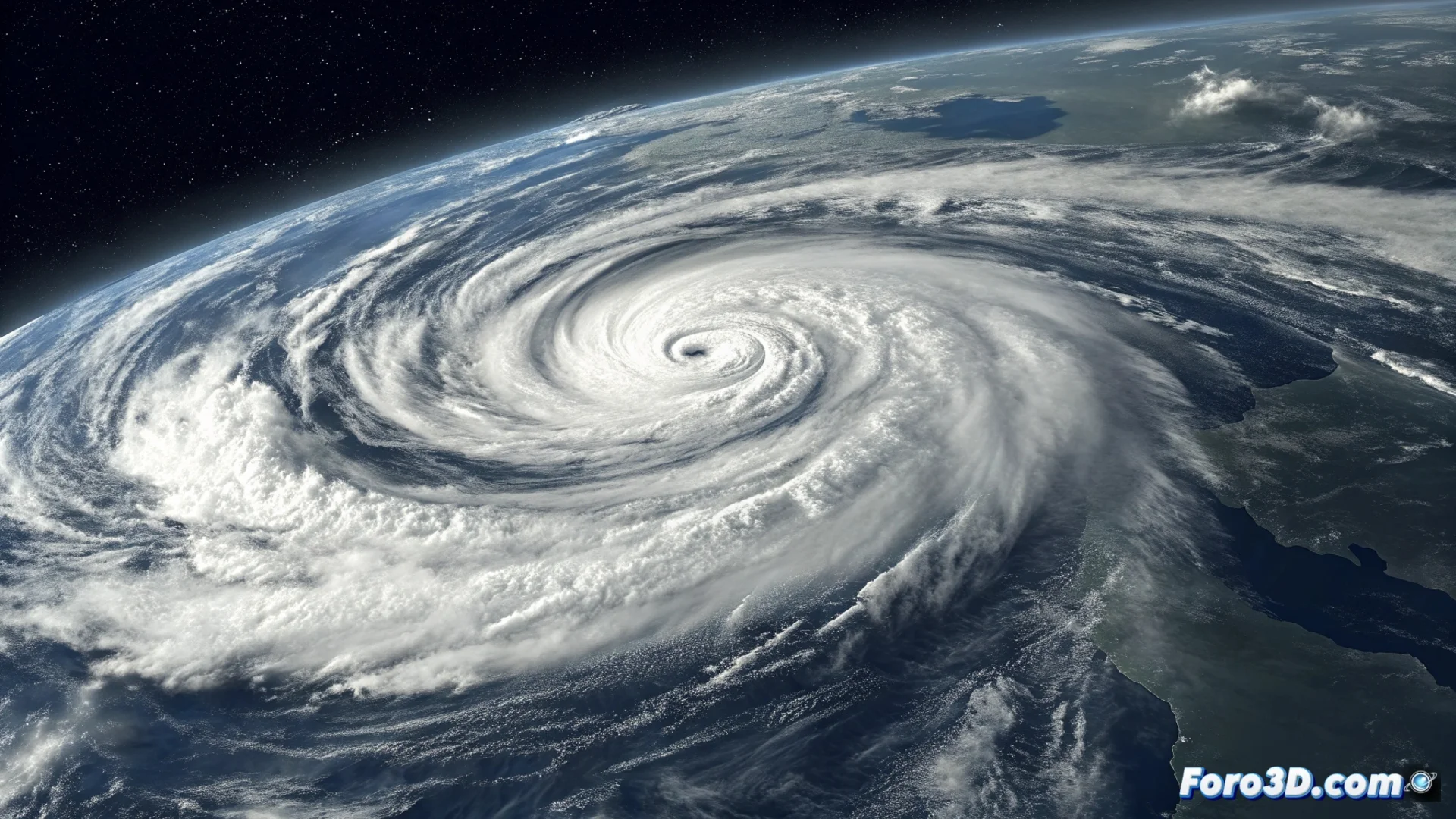
Tropical cyclones: formation and destructive effects
Tropical cyclones emerge over warm ocean waters as powerful rotating low-pressure systems that generate strong winds, intense rains, and dangerous storm surges that flood coastal and inland areas, impact millions, and alter ecosystems. They depend on high sea temperatures and air humidity
Tropical regions under constant threat
These storms mainly strike areas such as the Caribbean, Gulf of Mexico, western Pacific, and Indian Ocean. In these zones, the cyclone season requires maximum vigilance from meteorological services and civil protection. Countries along these paths prepare evacuations and strengthen structures to reduce damage. Science tracks trajectories and intensity to issue alerts that save lives.
Key impact factors:- Warm sea temperatures drive their formation
- Atmospheric humidity fuels their growth ⚙️
- Meteorological surveillance saves lives on frequent paths
Nature reminds us who's in charge when it decides to remodel the coast for free with a demolition service included.
Internal structure and devastating power
The central eye offers relative calm, but the wall surrounding it concentrates winds and rains to the maximum. The storm surge abnormally raises the sea and ravages coasts with force. Continuous rains overflow rivers and saturate soils, causing landslides in distant areas. Thus, the effects extend far beyond the landfall point.
Main effects:- Intense winds destroy structures
- Torrential rains cause flooding ️
- Cyclonic storm surges ravage coasts
Conclusion
Tropical cyclones, with their energetic rotation and dependence on oceanic conditions, cause winds, rains, and storm surges that flood and alter vast regions, demanding preparation and alerts to mitigate damage