Transmetropolitan: Gonzo Journalism in a Dystopian Future
In the vibrant universe of contemporary comics, Transmetropolitan emerges as a masterpiece that redefines the boundaries of political satire and social criticism. The series transports readers to a futuristic setting where technology and human decay collide explosively 🎭.
The Dystopian Setting and Its Protagonists
The narrative unfolds in The City, an overpopulated metropolis where urban chaos and invasive technology create a perfect backdrop for the adventures of Spider Jerusalem. This gonzo journalist uses his column as a weapon against the corrupt system, especially against the figure of the president known as The Smiler 💥.
Central Plot Elements:- The fight against media manipulation and the excesses of the established power
- Technological dependence as a paradox in the life of the rebellious protagonist
- The evolution of secondary characters that complement the main narrative
"The truth hurts. Lying hurts more. Choose your pain." - Spider Jerusalem
Visual Aesthetics and Character Design
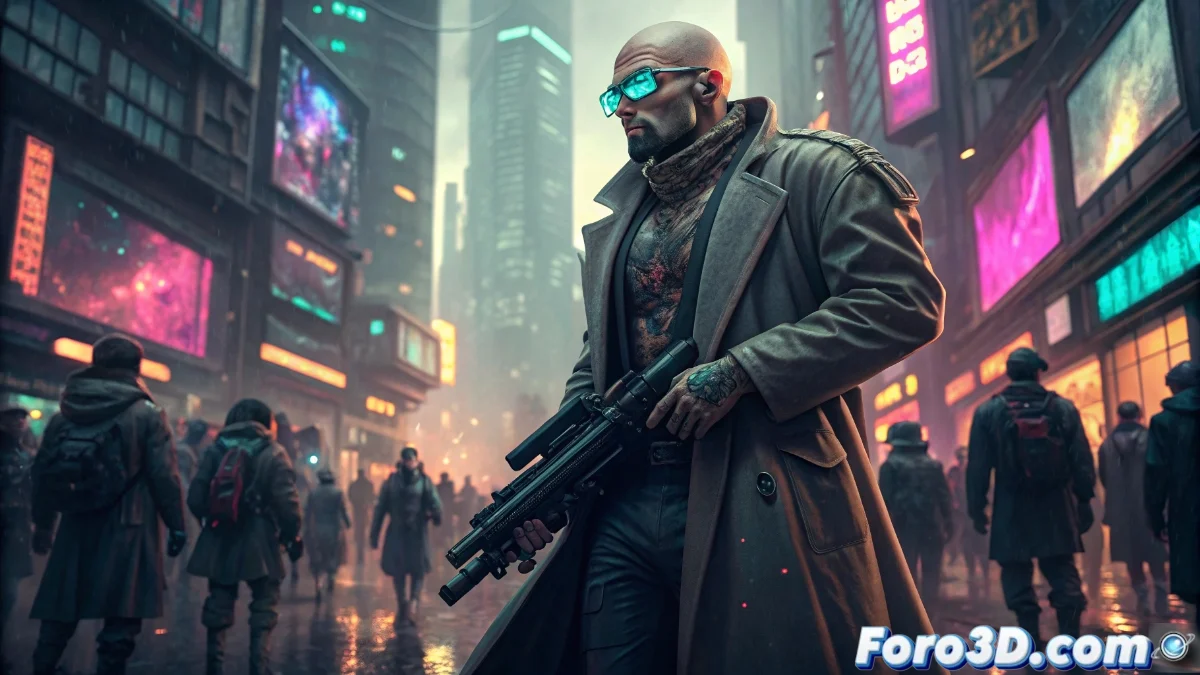
Darick Robertson's expressionist art builds a unique visual universe, characterized by overloaded backgrounds and a cyberpunk atmosphere that reflects social alienation. The character designs are particularly memorable, especially Spider's iconic appearance with his shaved head, facial tattoos, and inseparable dark glasses 👓.
Characteristics of the Visual Universe:- Compositions saturated with neons and invasive advertising elements
- Eccentric characters representing different social strata
- Fusion of advanced technology with urban decay in every panel
Conflicts and Narrative Paradoxes
The series deeply explores the fundamental irony of its protagonist: while denouncing technological excesses, he completely depends on futuristic artifacts to practice his combative journalism. This contradiction reflects the complexity of the human condition in the digital age, where even the most acerbic critics must navigate using the tools of the system they question 🤖.